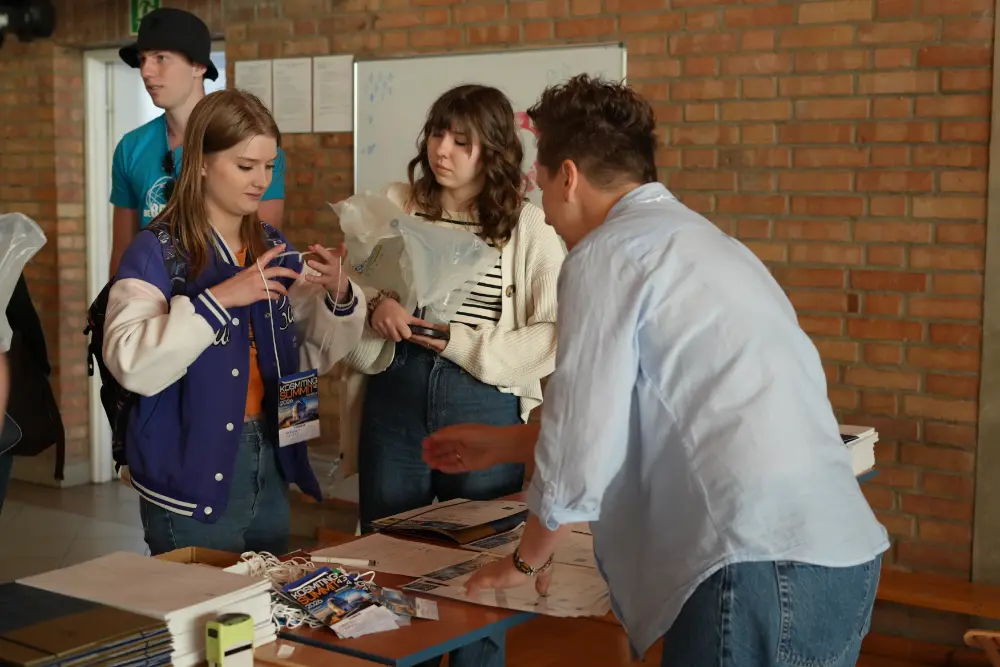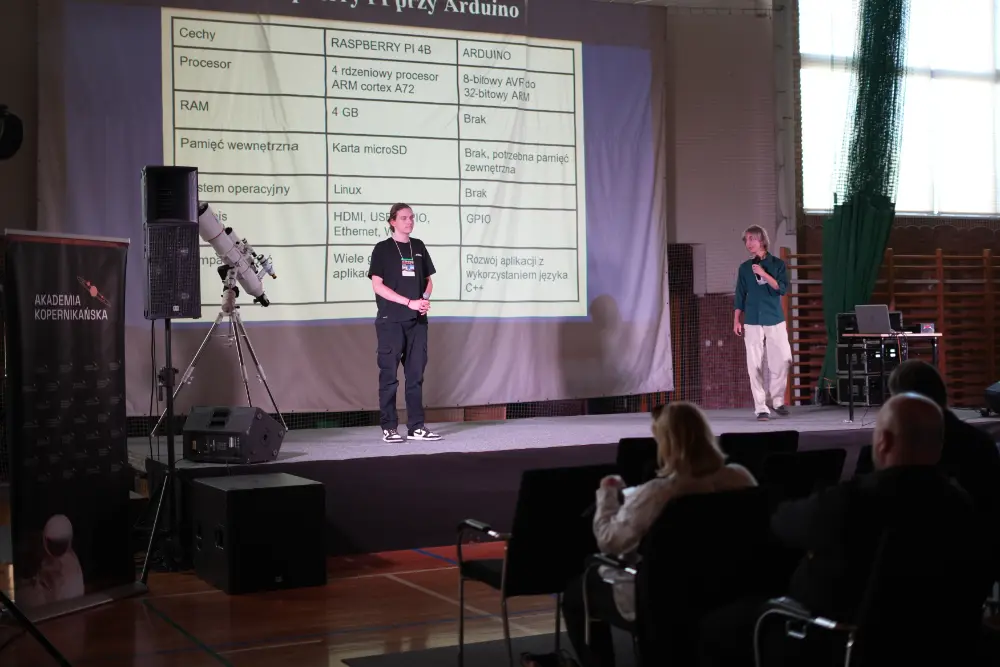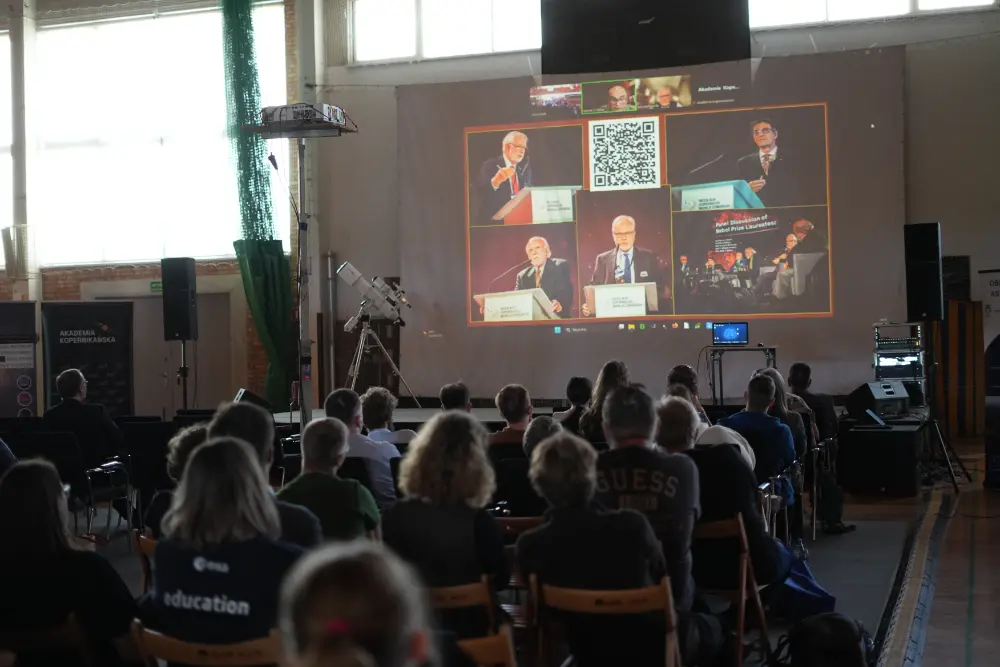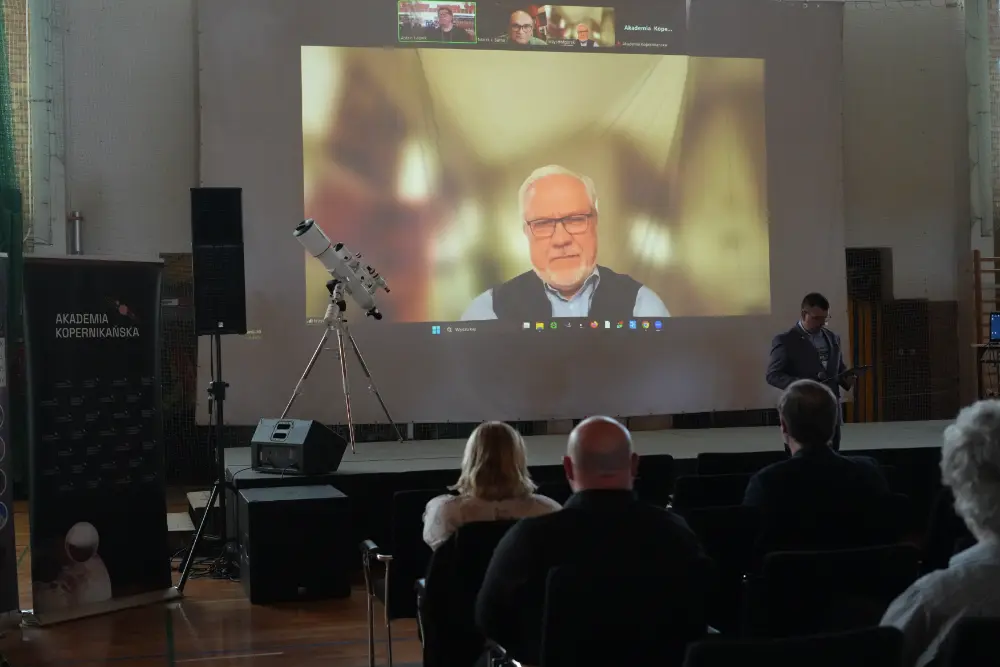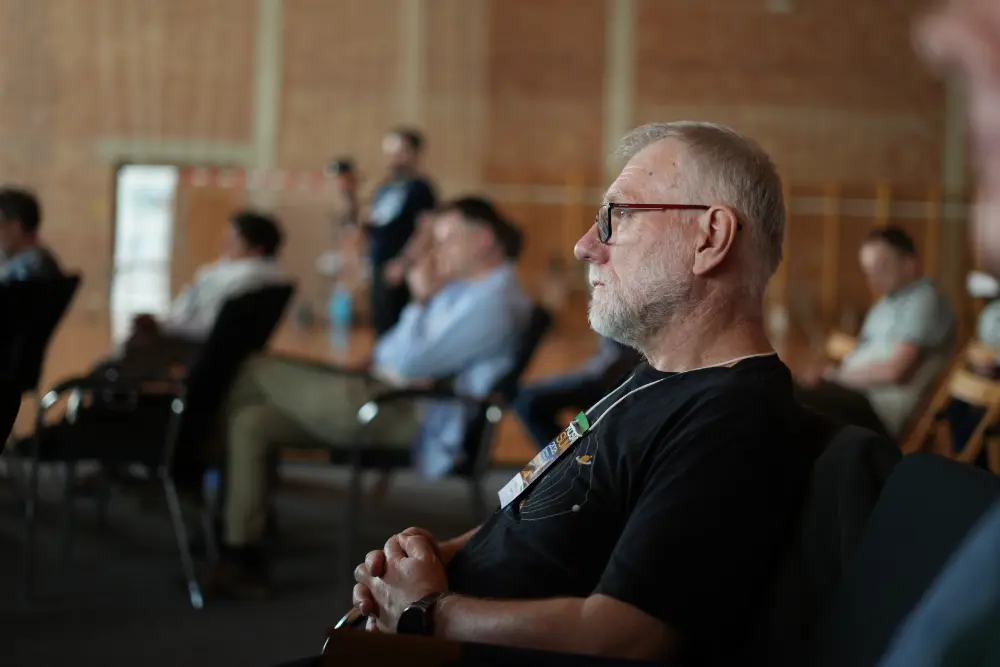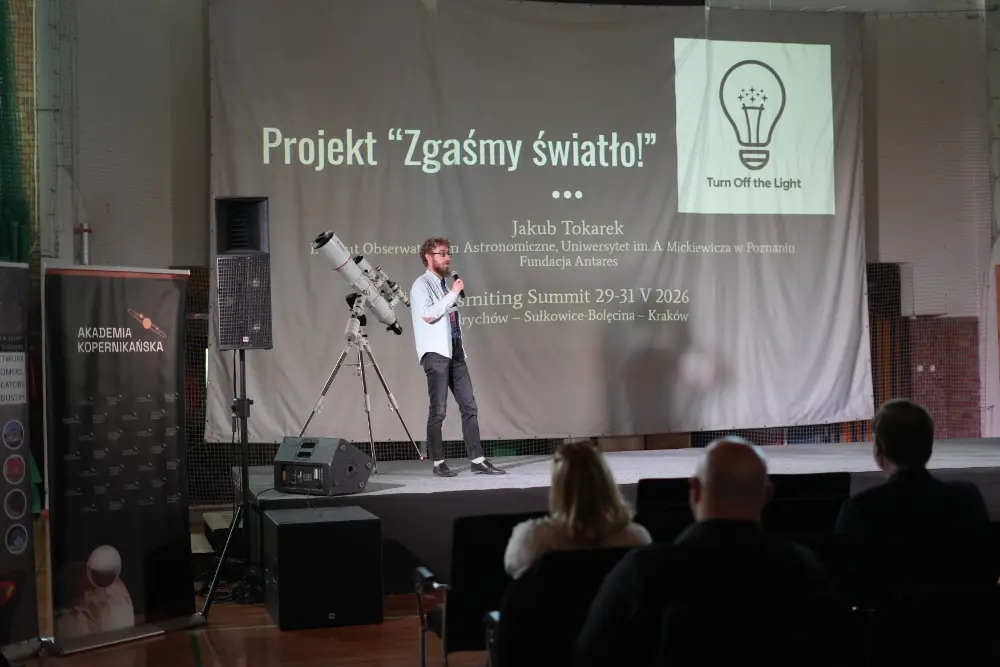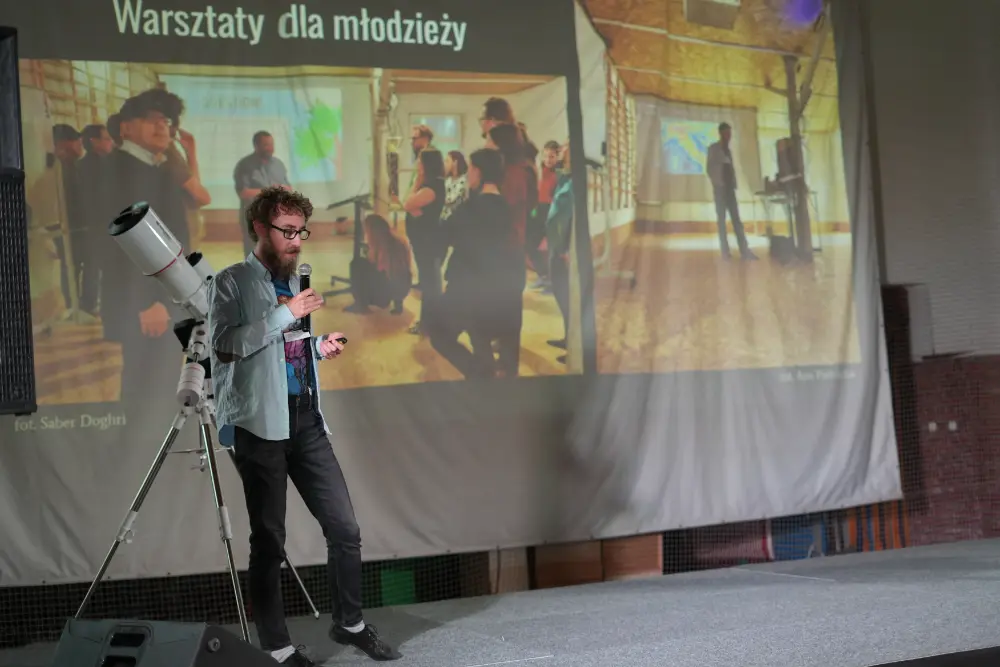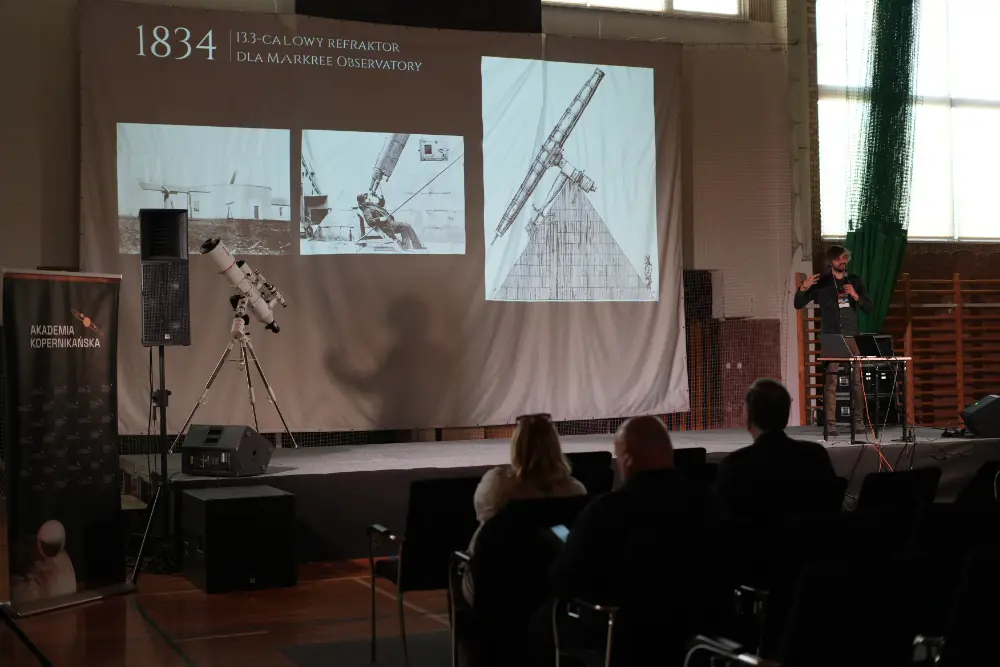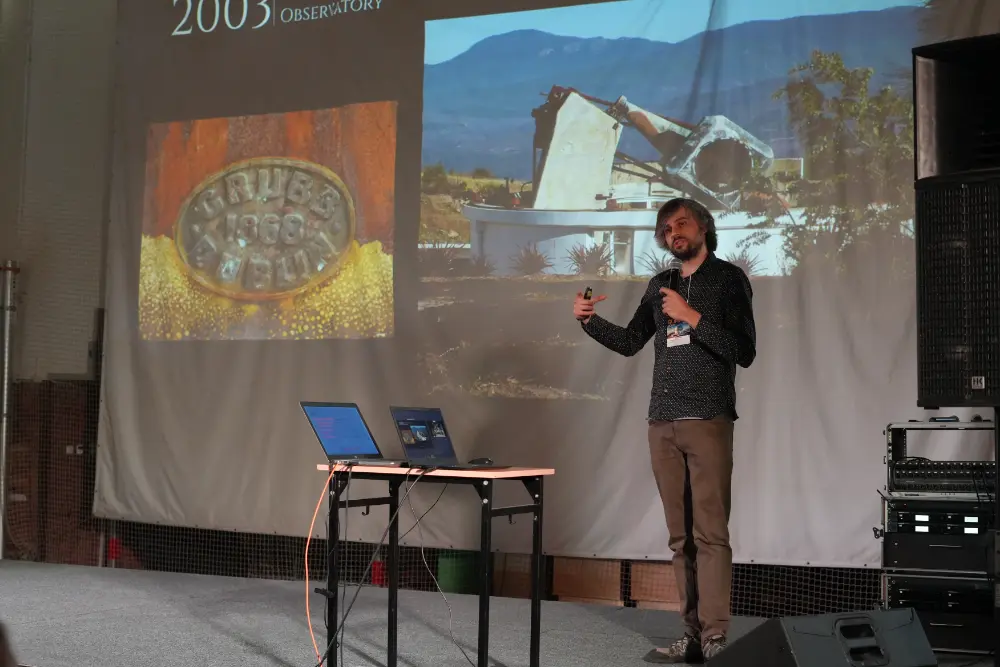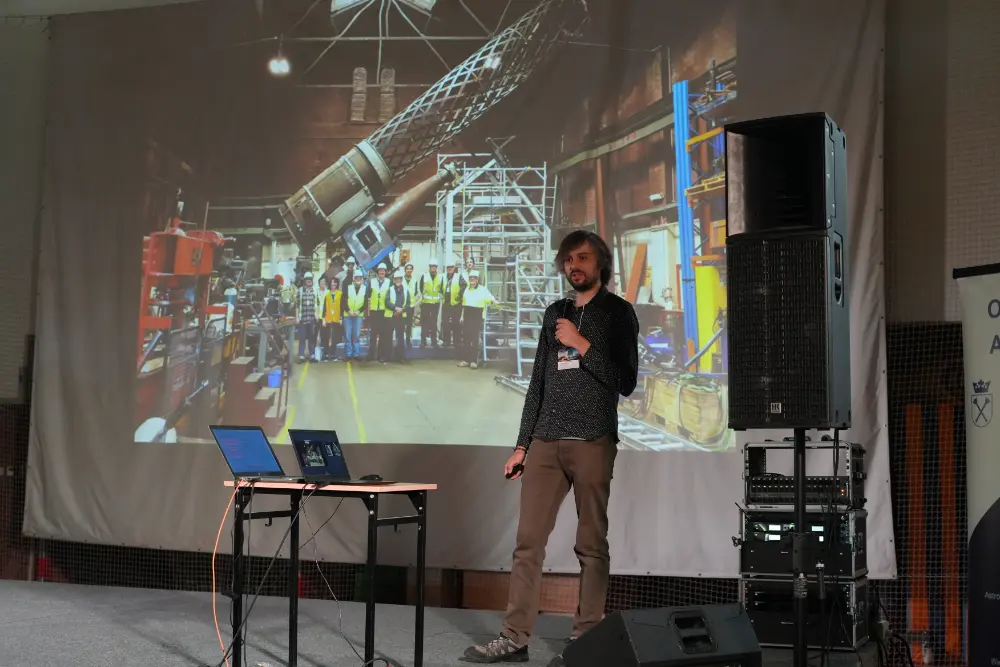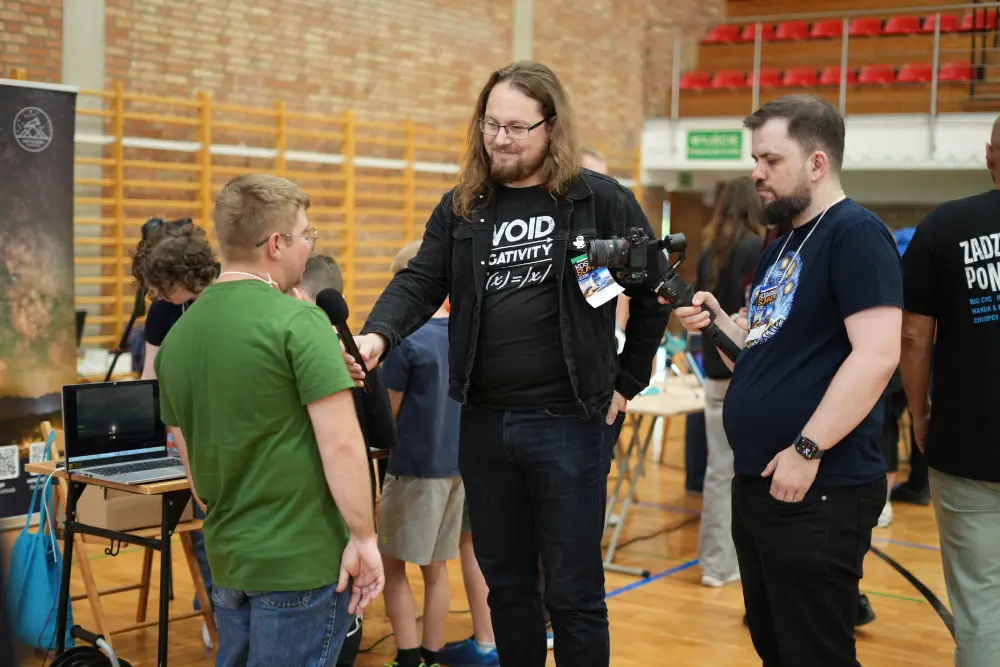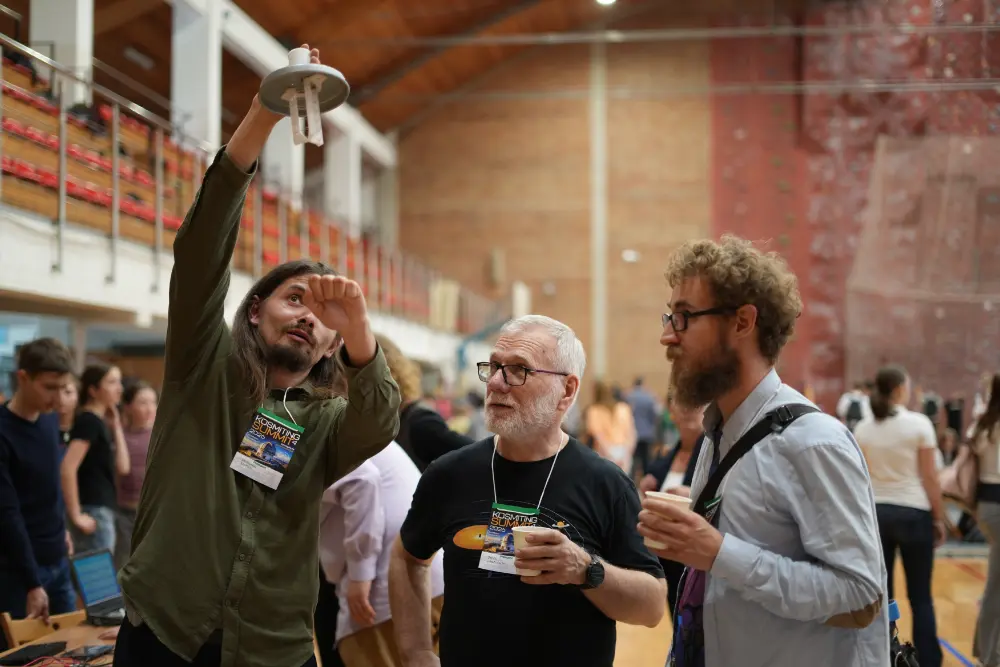
The fourth edition of the Architects of Space Education – organized the Sułkowice-Bolęcina Local-Government Schools Group – welcomed hundreds of participants, more than 120 of whom took active part in its lecture sessions as well as the exhibitions and experiments of its Science Picknick. The third day of the event, gathering educators seizing the technologies of the 21st century, took place in the Sports Hall of the Primary School № 2 in Andrychów, where popularizers and lovers of astronomy from across Poland could exchange their experiences.
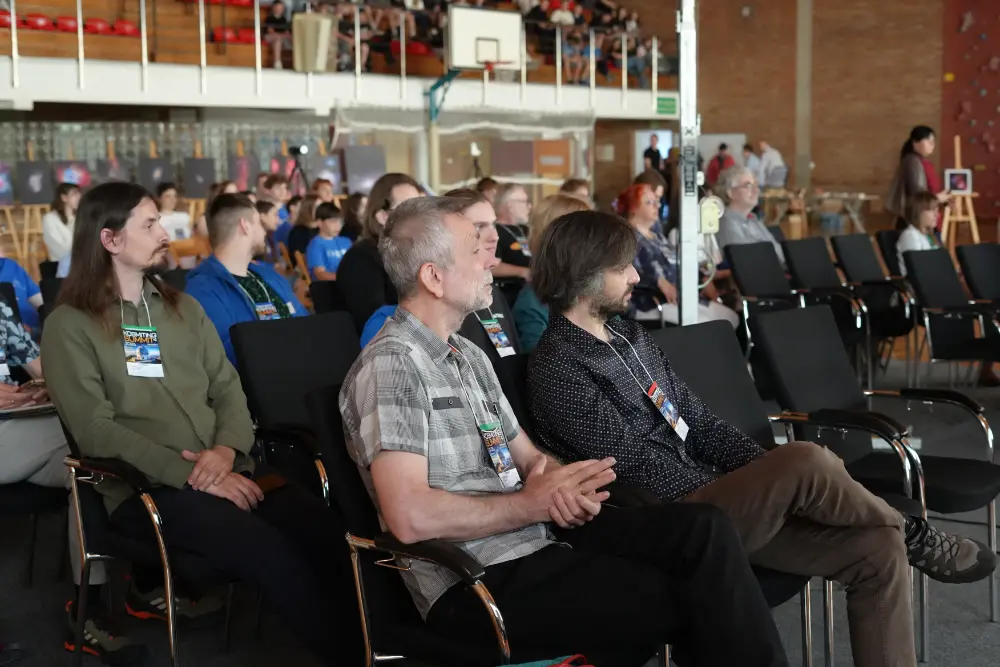
The 15-minute lectures by educators, scientist, enthusiasts acquainted the audience with a selection of educational and scientific projects, thereby kindling interest for physics and astronomy.
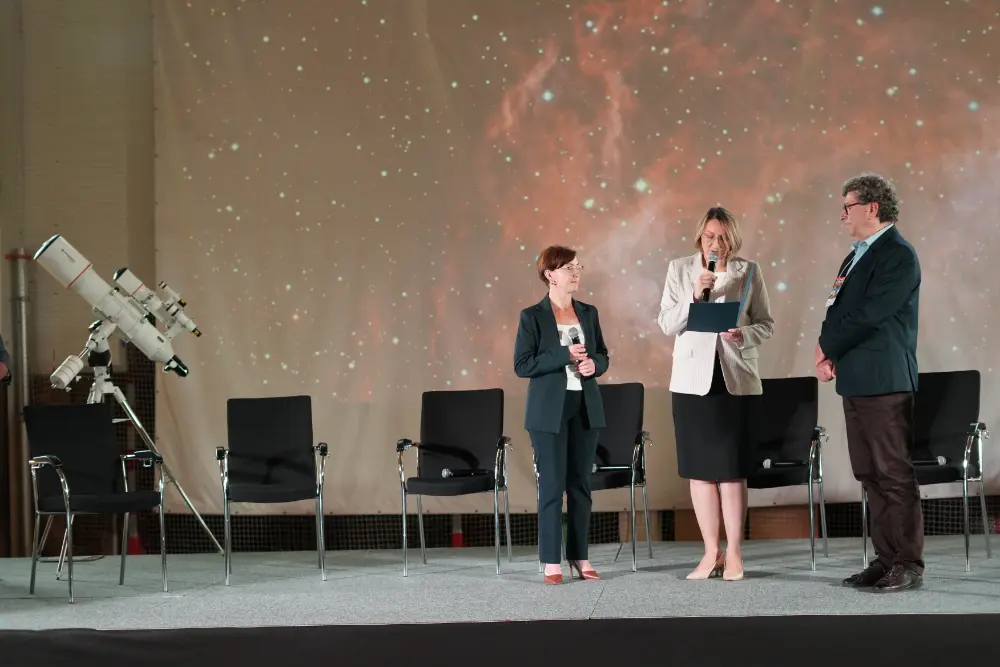
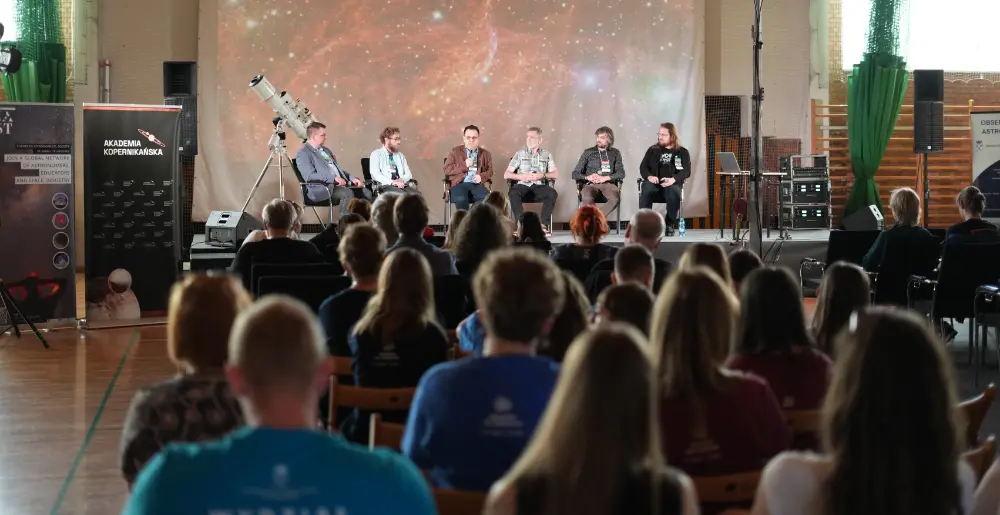
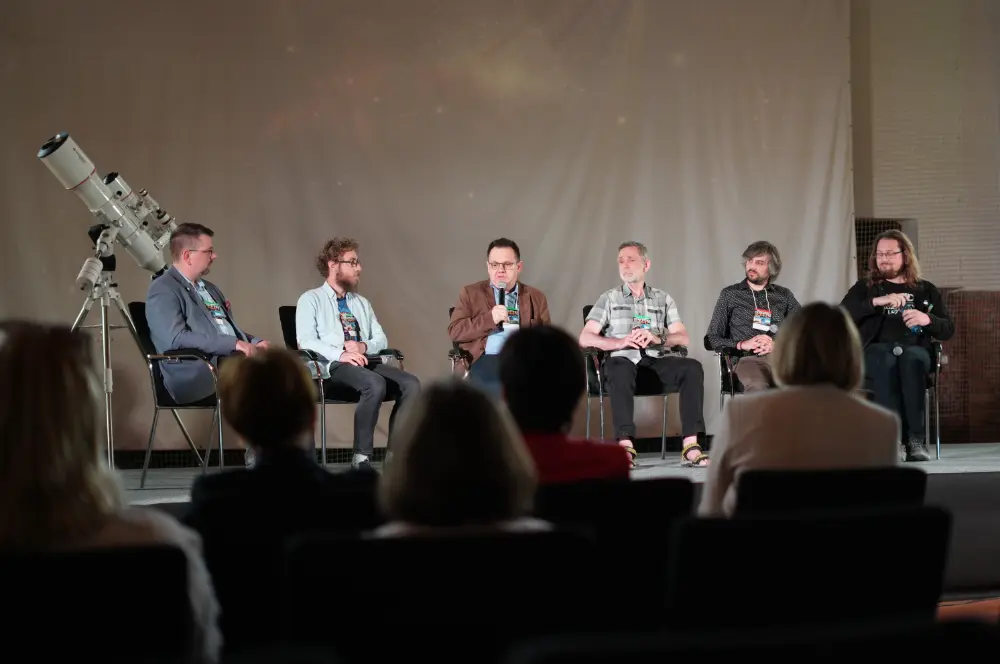
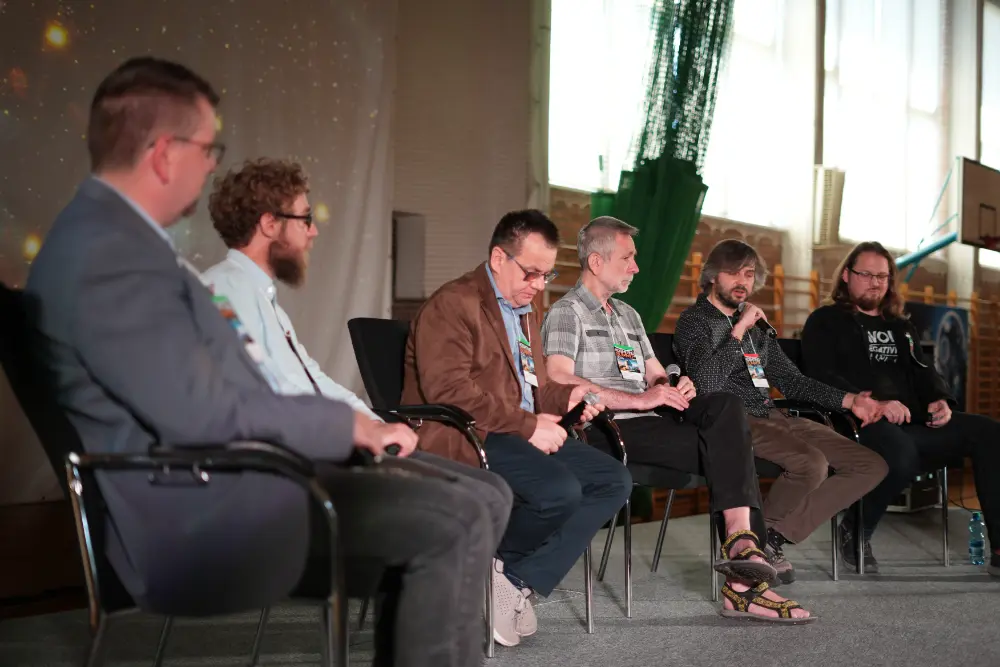
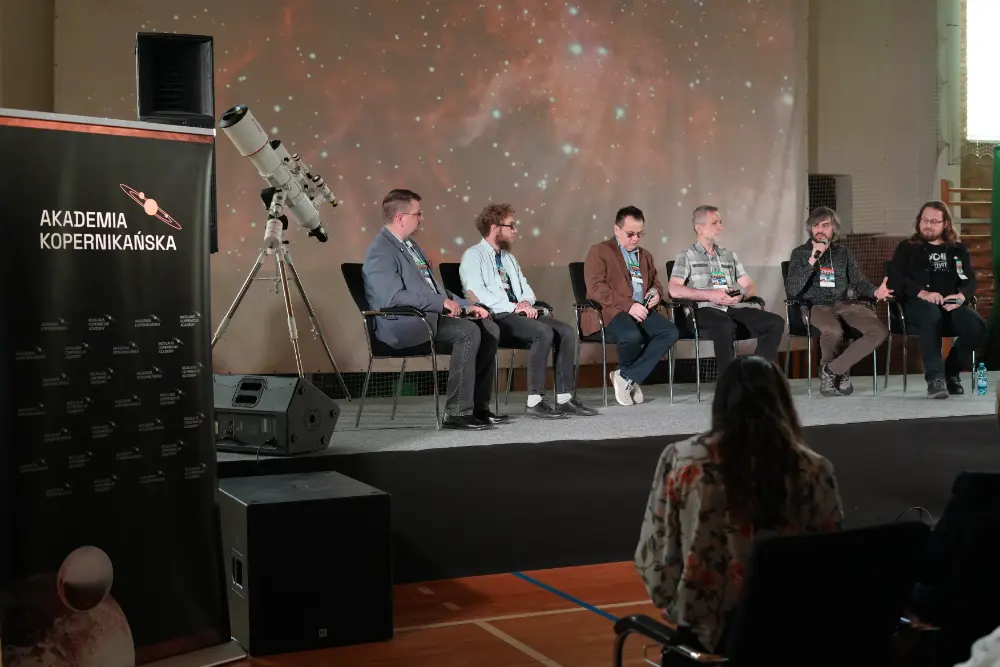
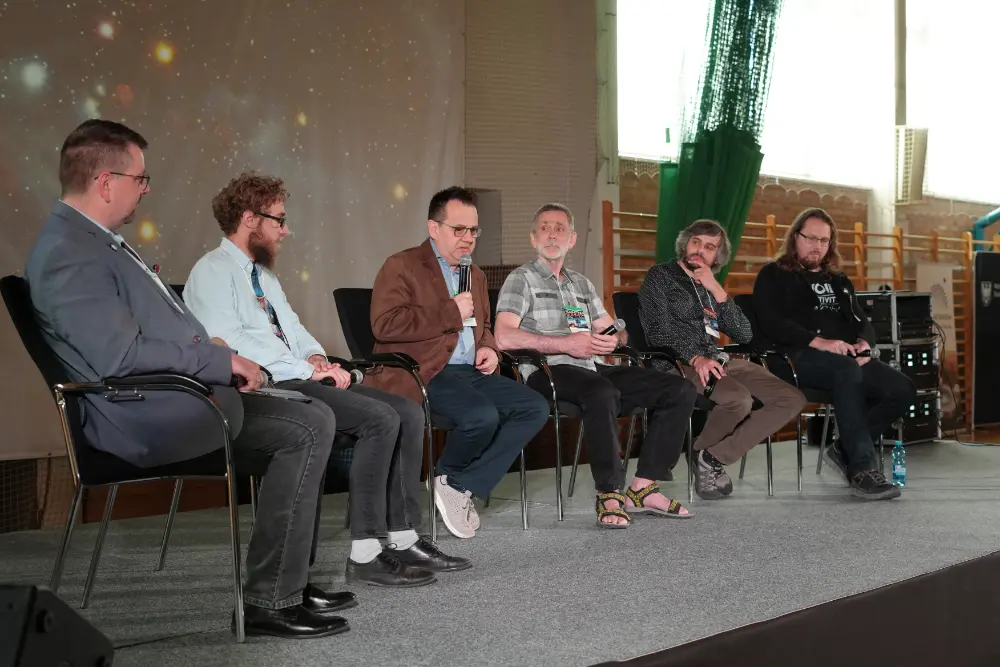
Opening the conference was a panel discussion titled “Astronomy in the Curriculum – Opportunities in Challenges of 2026”. The debate was moderated by educator Janusz Nicewicz of the Youth Astronimical Observatory in Niepołomice. Participating in the debate were:
- Bartłomiej Dębski
Kosmogadka / H. Jordan Youth Centre in w Kraków,
- Sebastian Kurowski
doctoral student at the Jagiellonian University Astronomical Observatory and worker at the School Astronomical Observatory in Bolęcina,
- Dr. Waldemar Ogłoza
lecturer at the University of National Educational Commission,
- Dr. Marian Soida
director of the Jagiellonian University Astronomical Observatory,
- Jakub Tokarek
astronomer working with the Astronomical Observatory Institute of the Adam Mickiewicz University in Poznań.
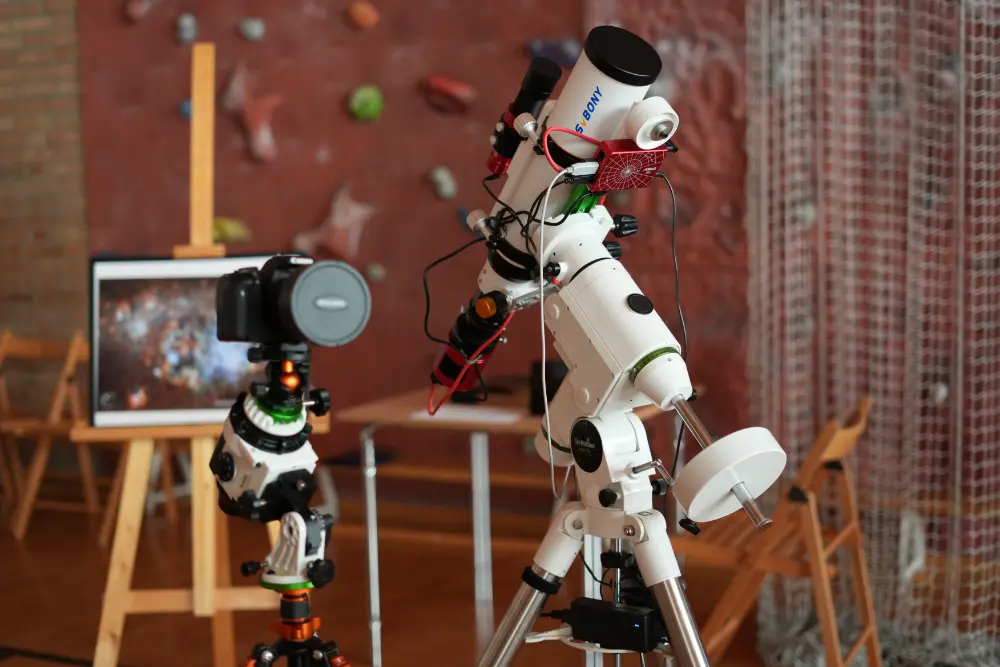
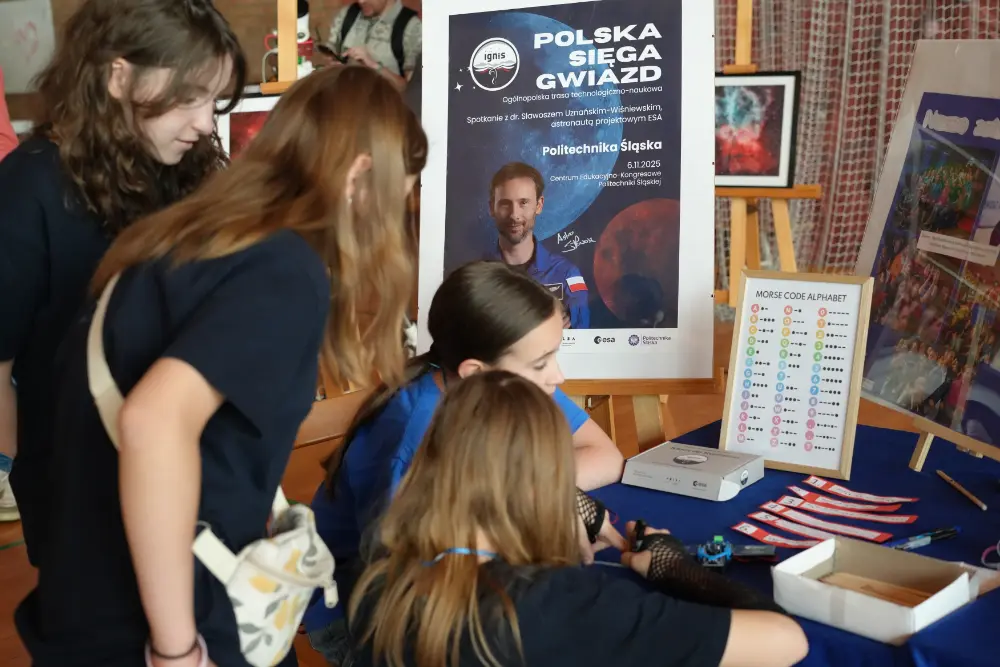
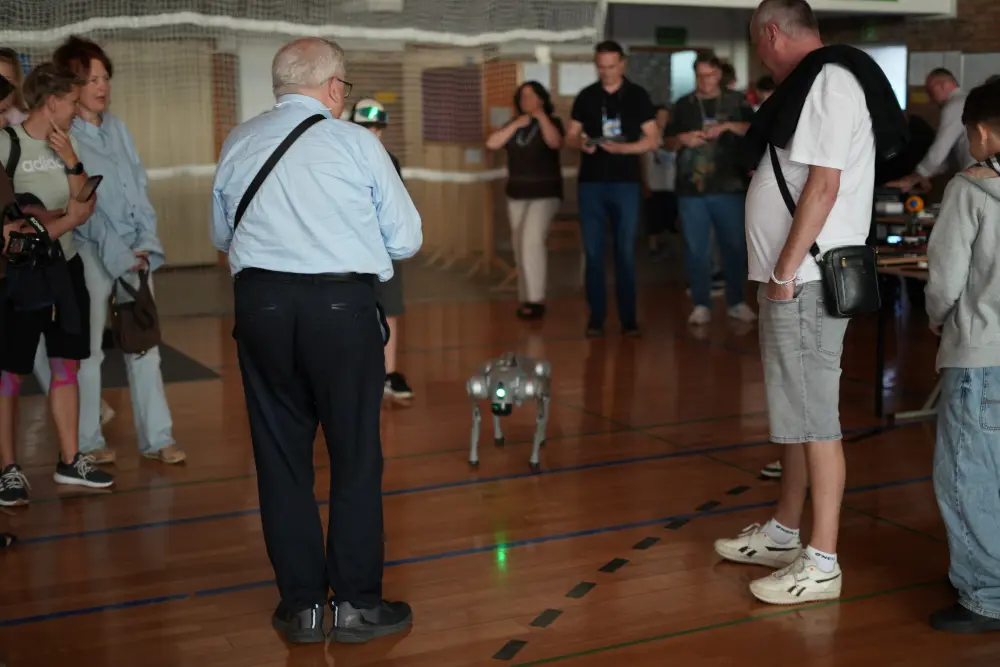
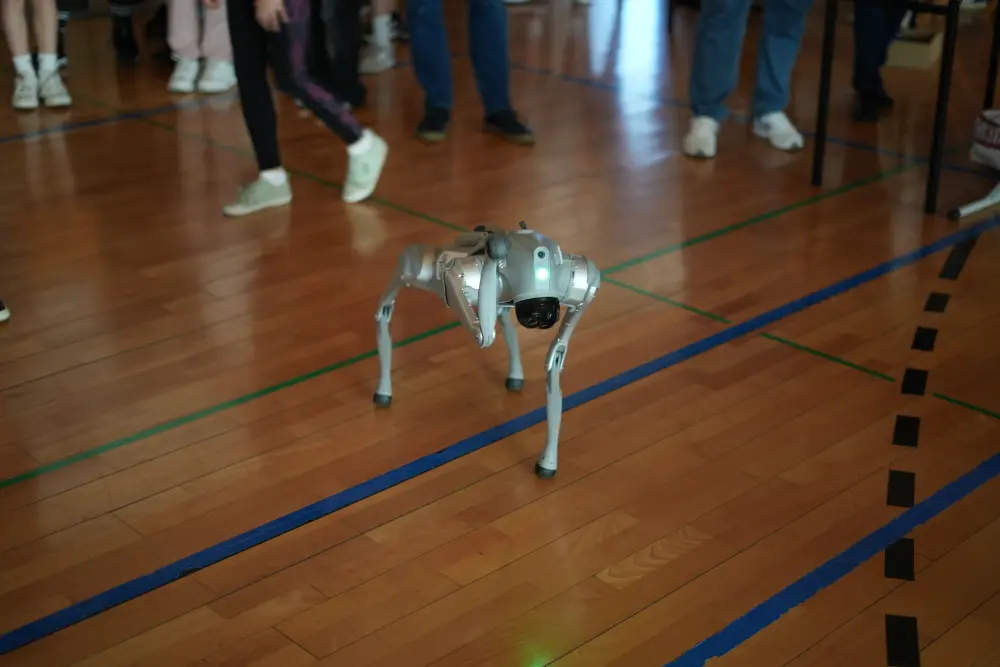
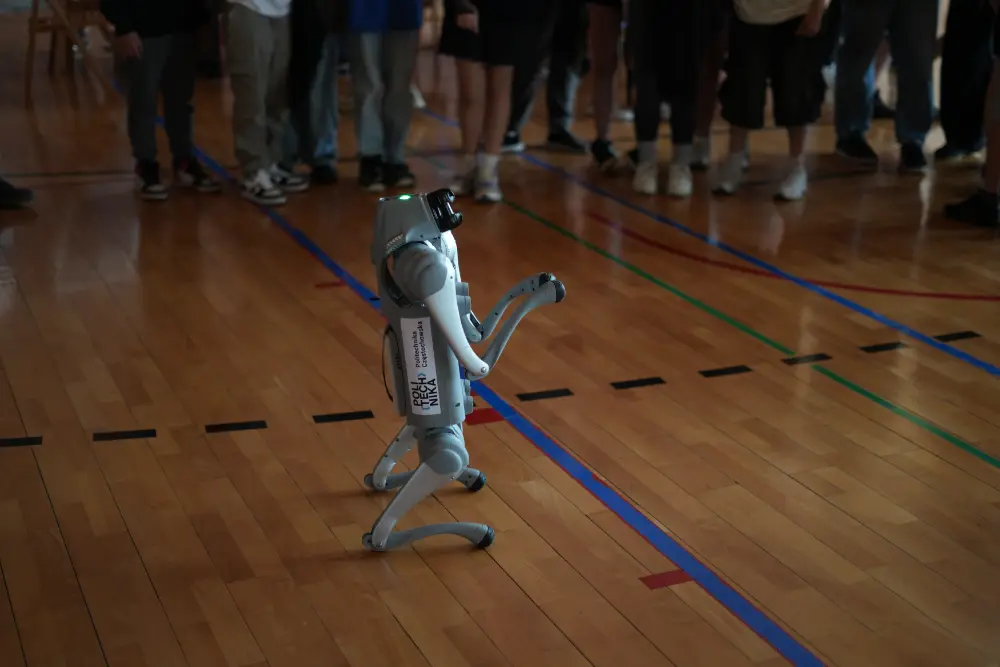
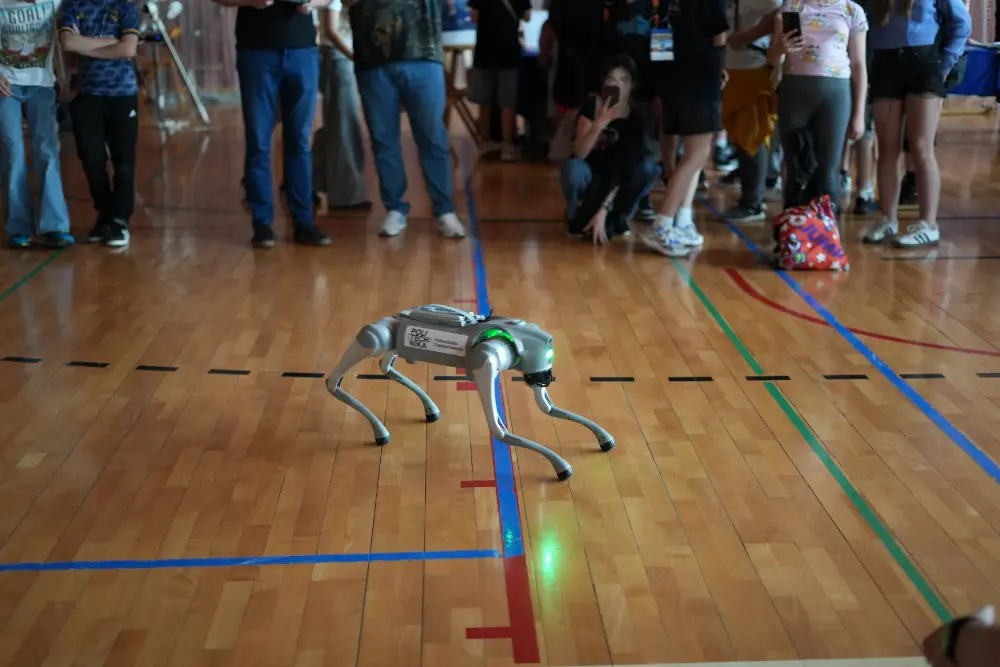
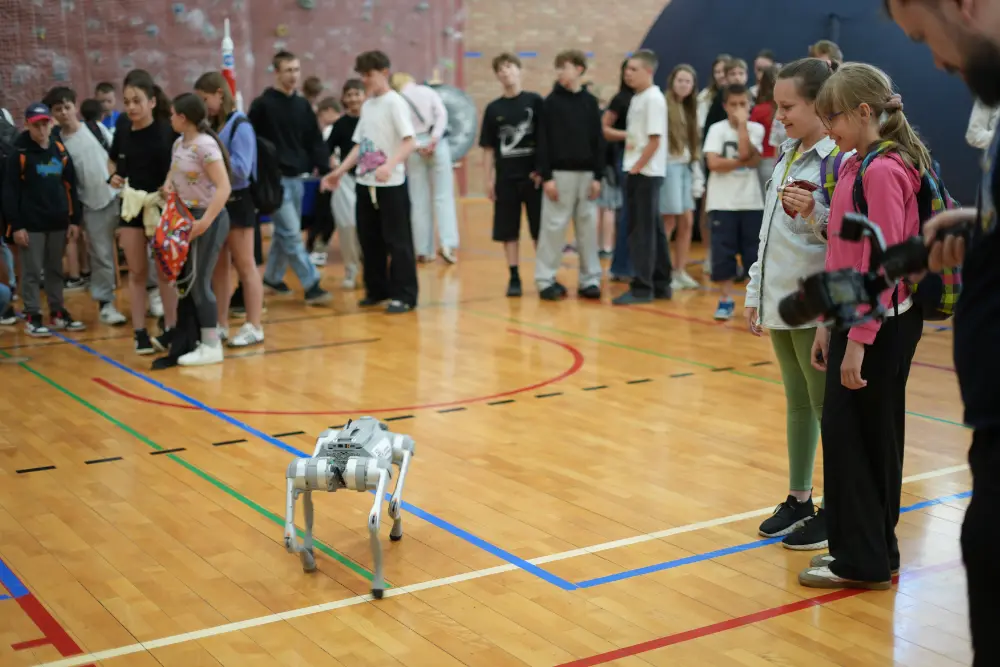
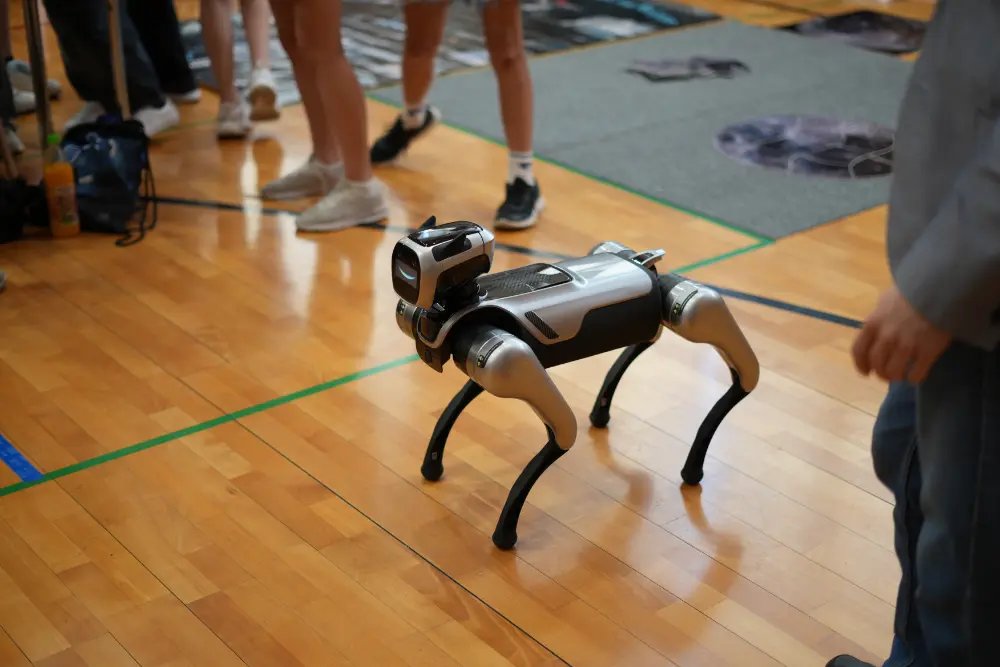
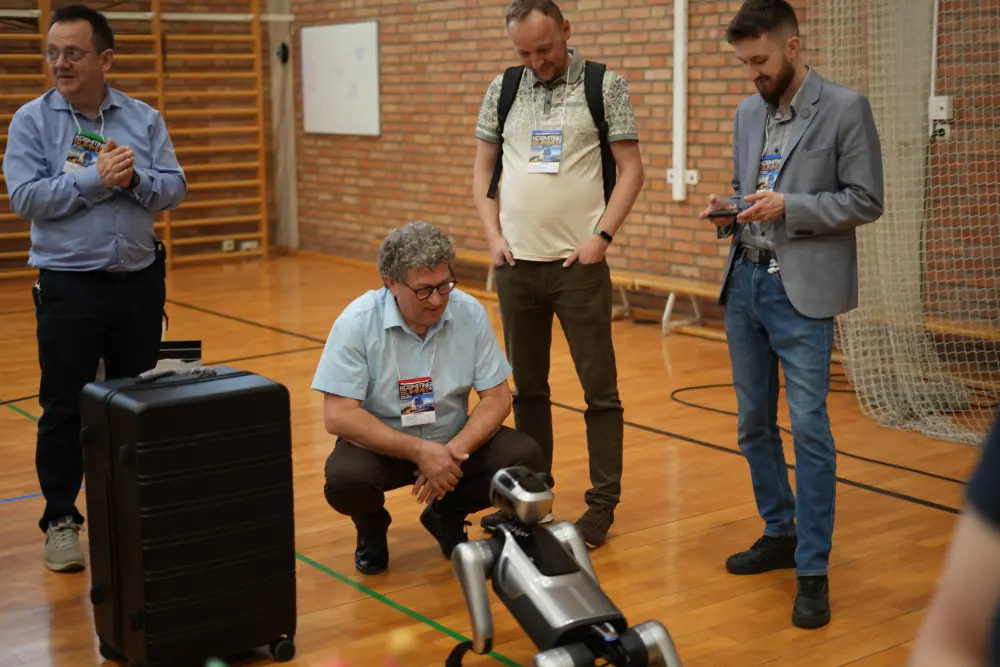
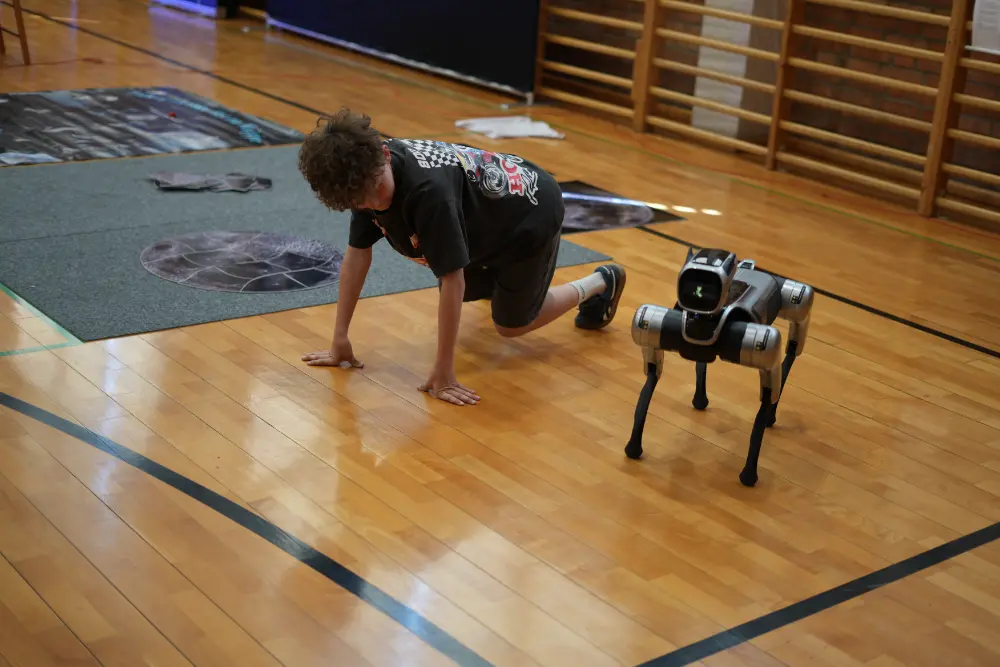
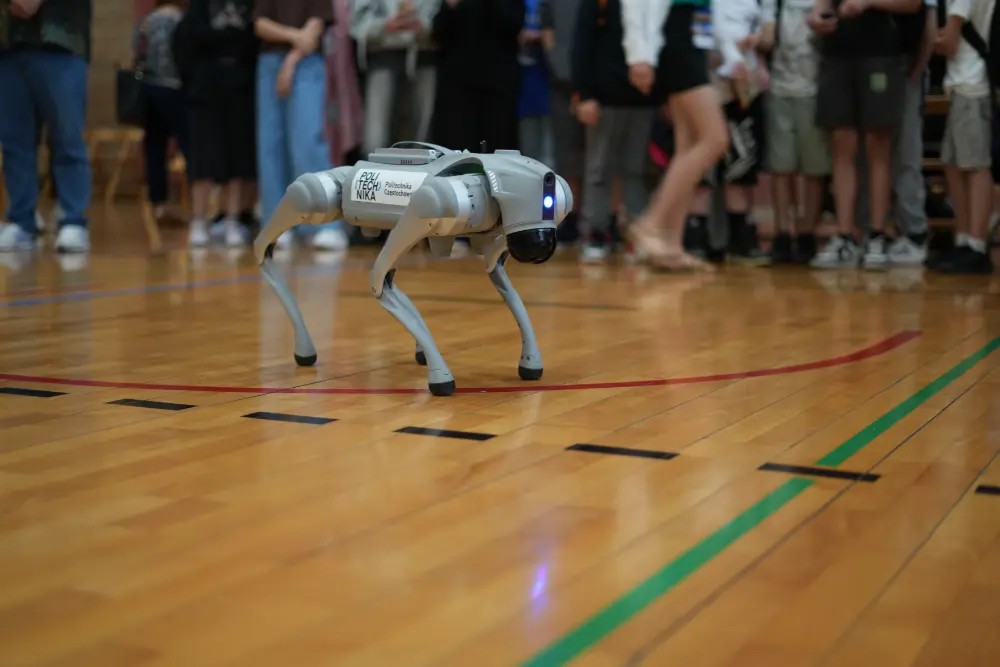
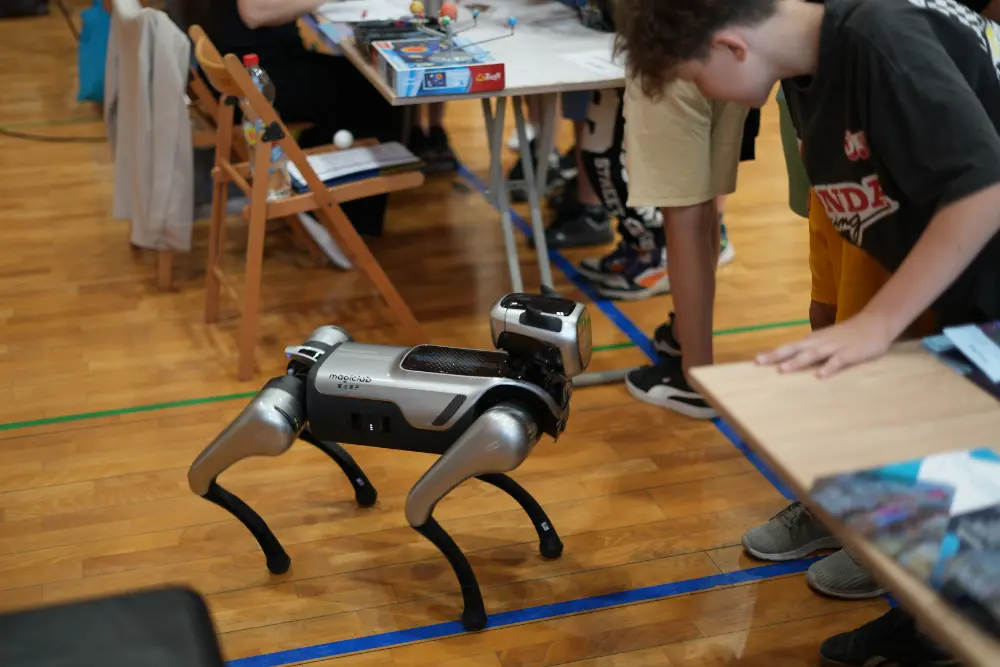
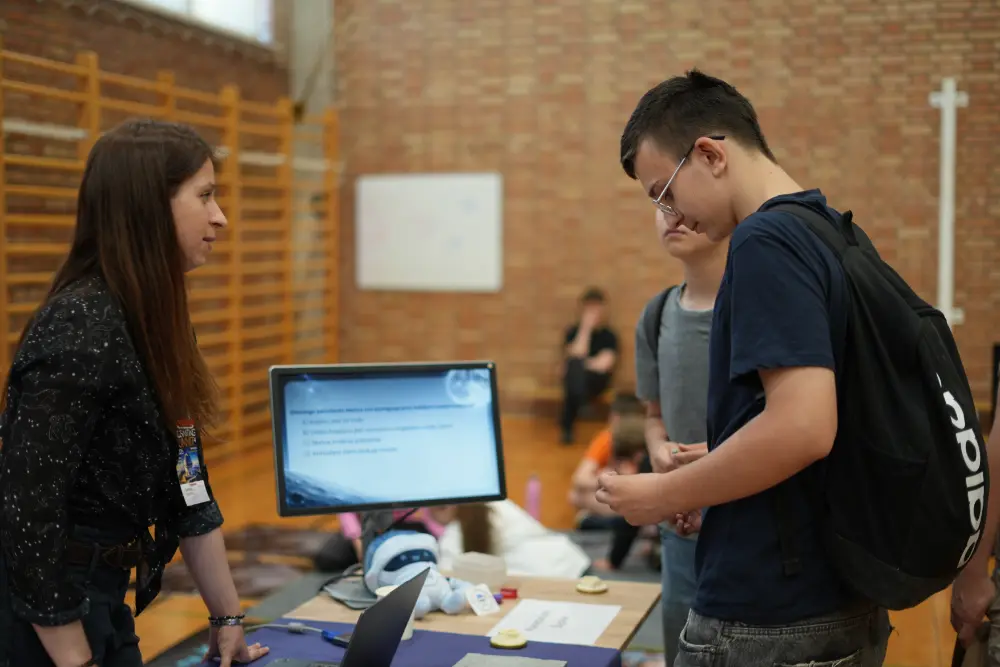
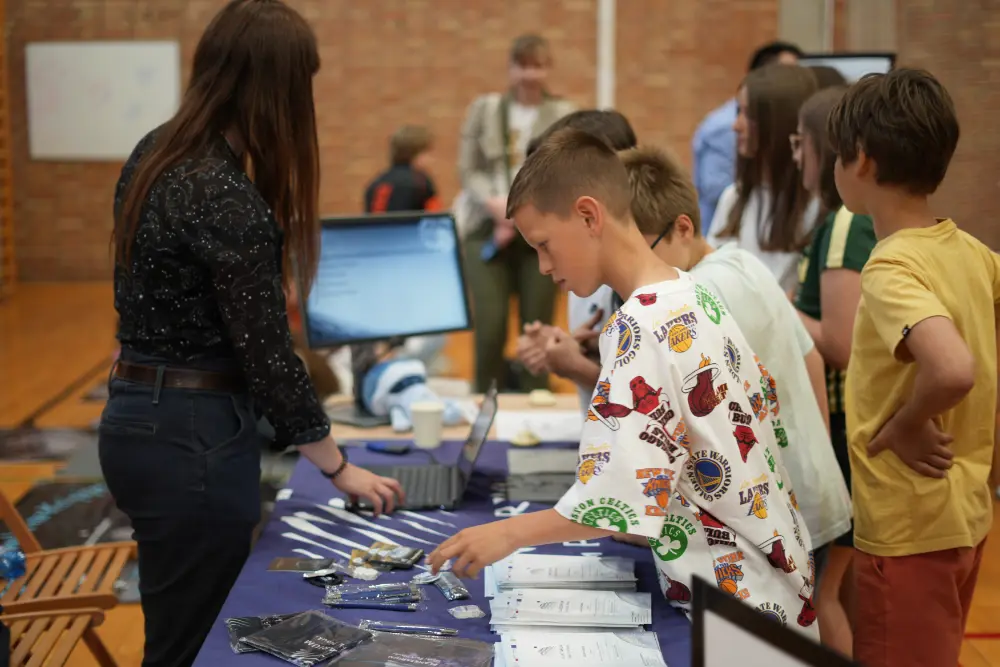
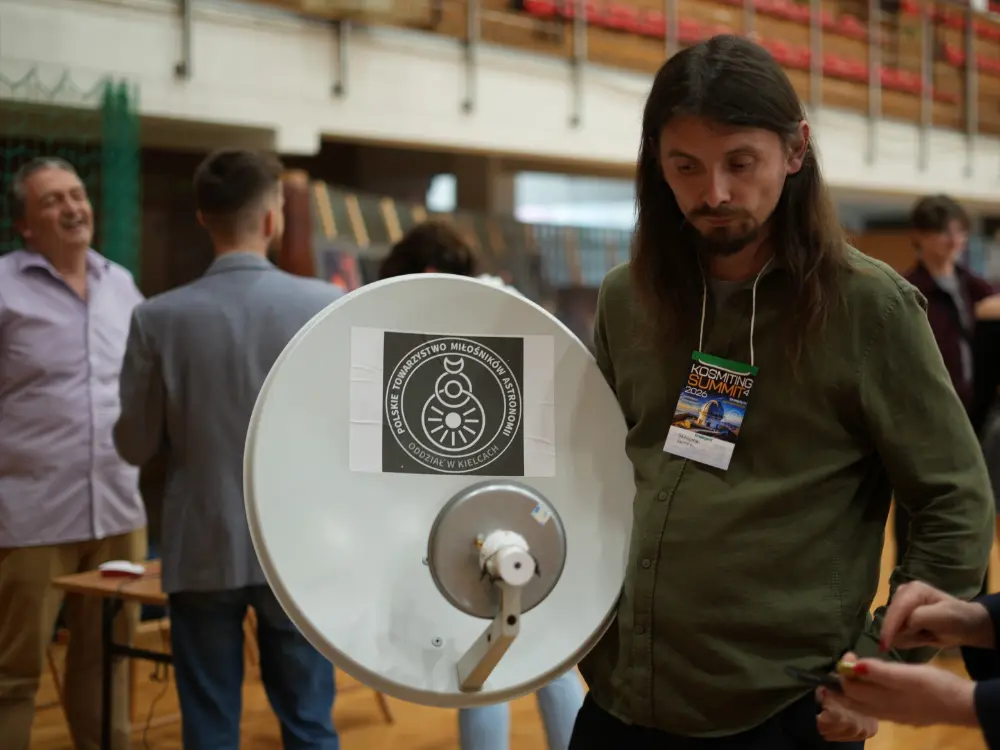
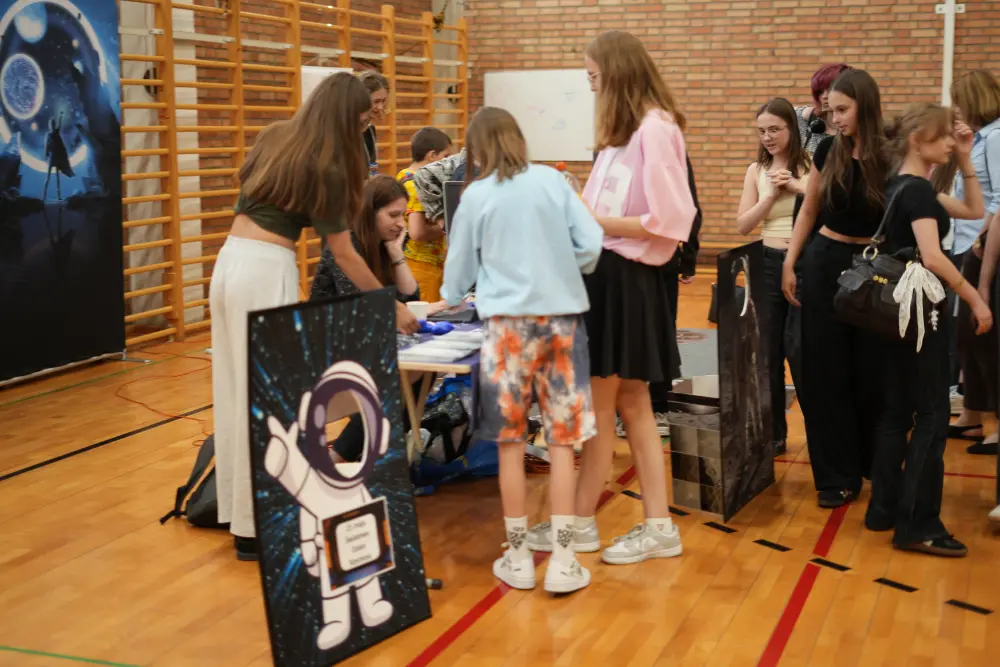
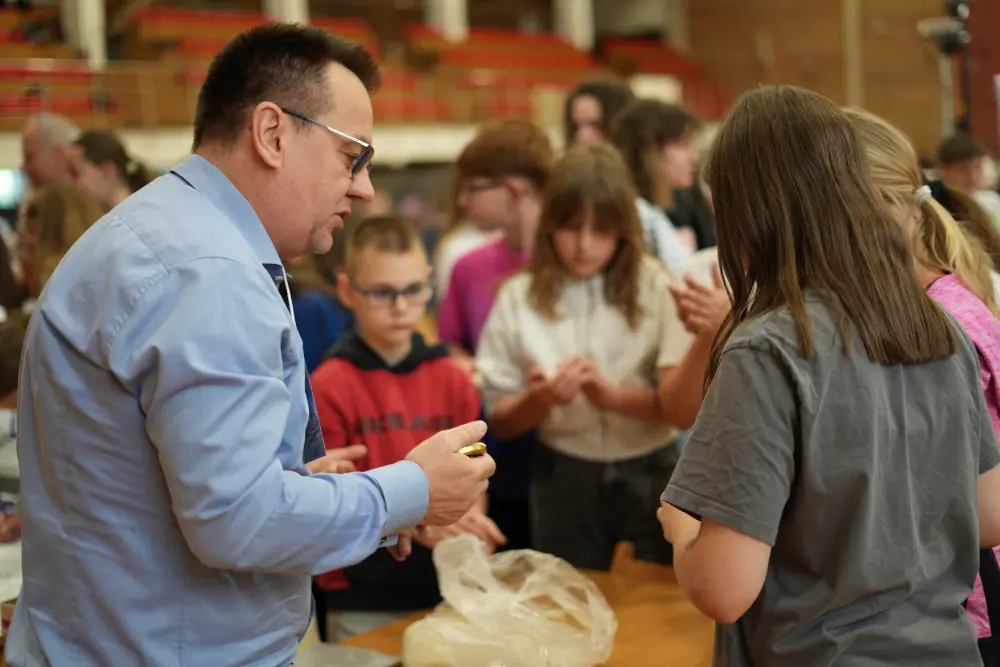
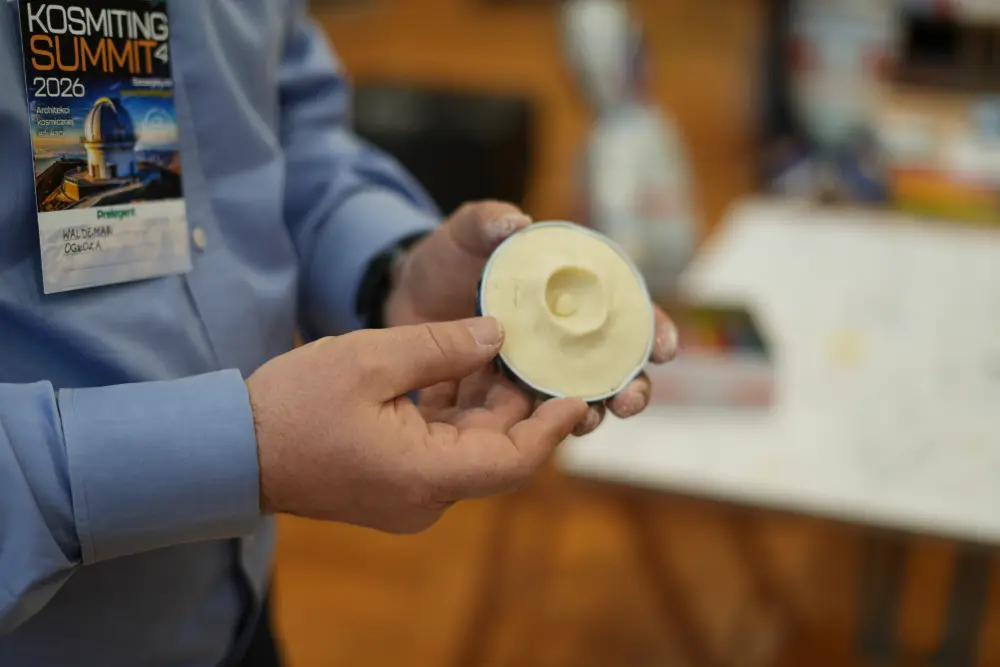
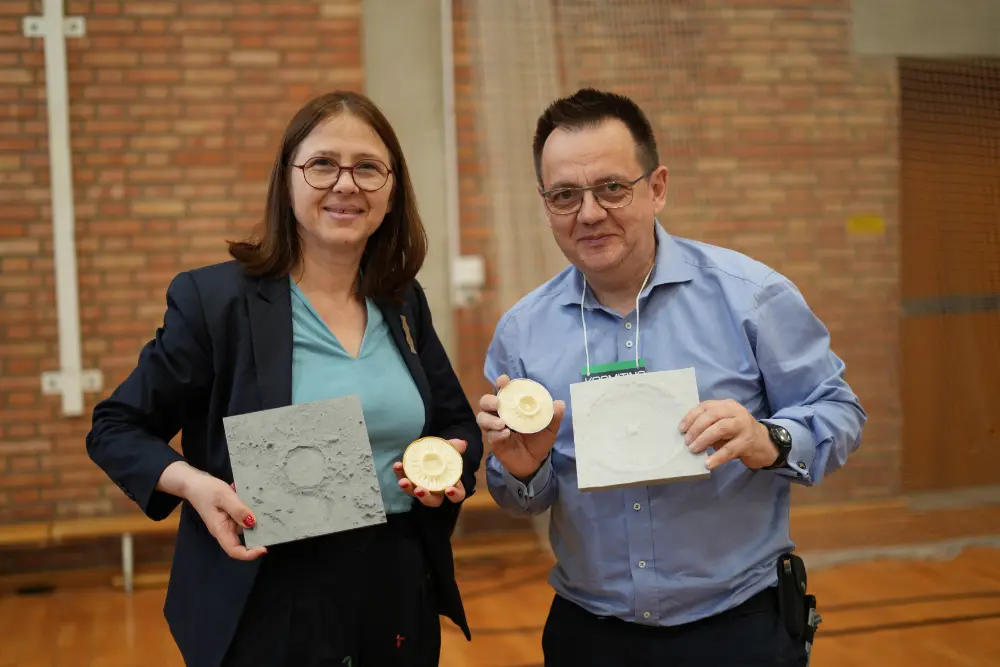
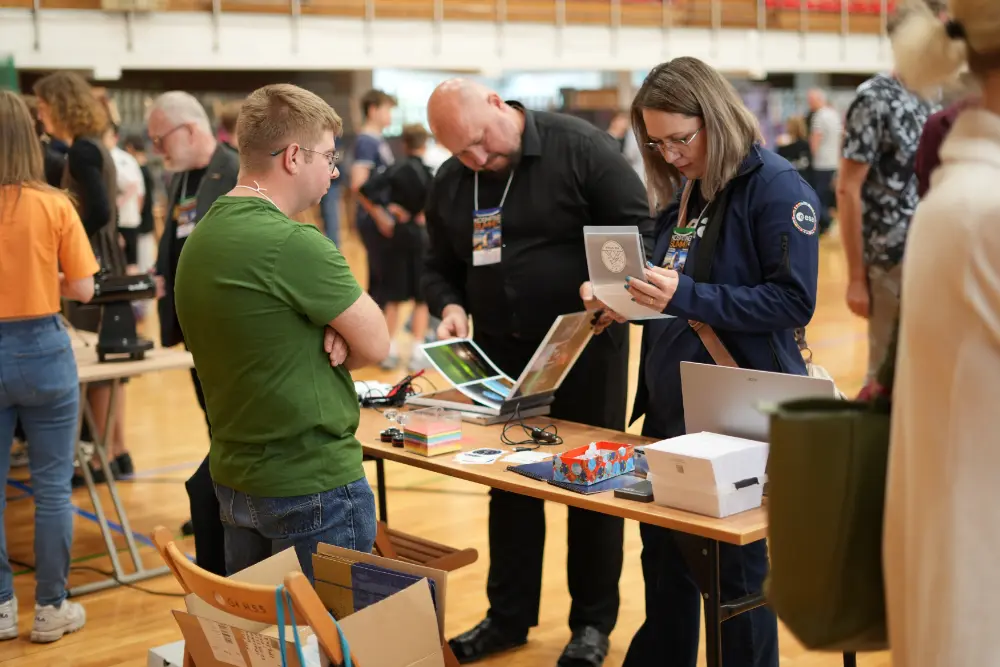
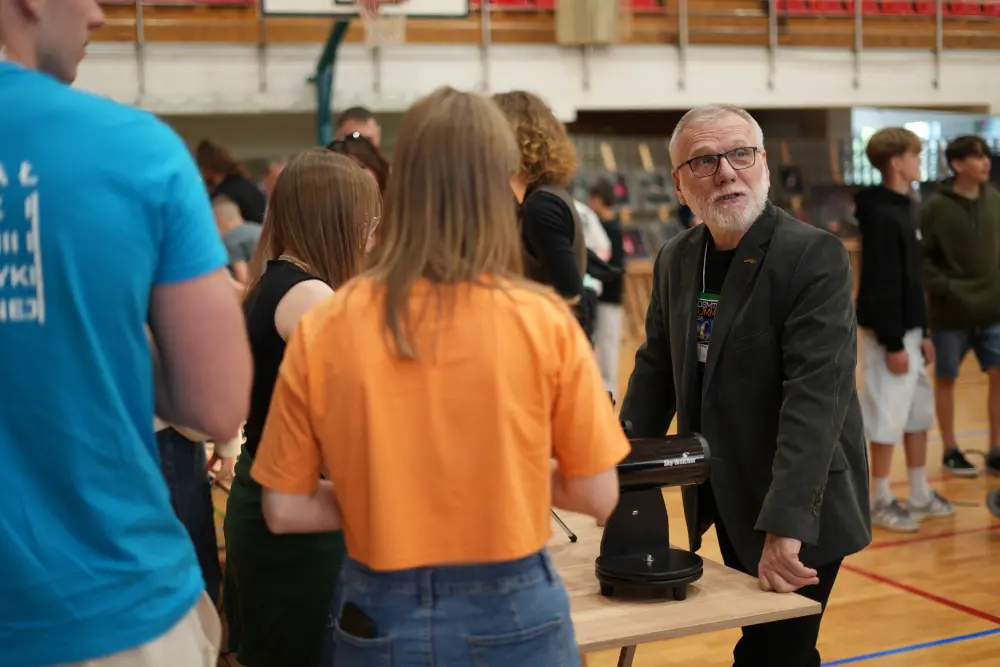
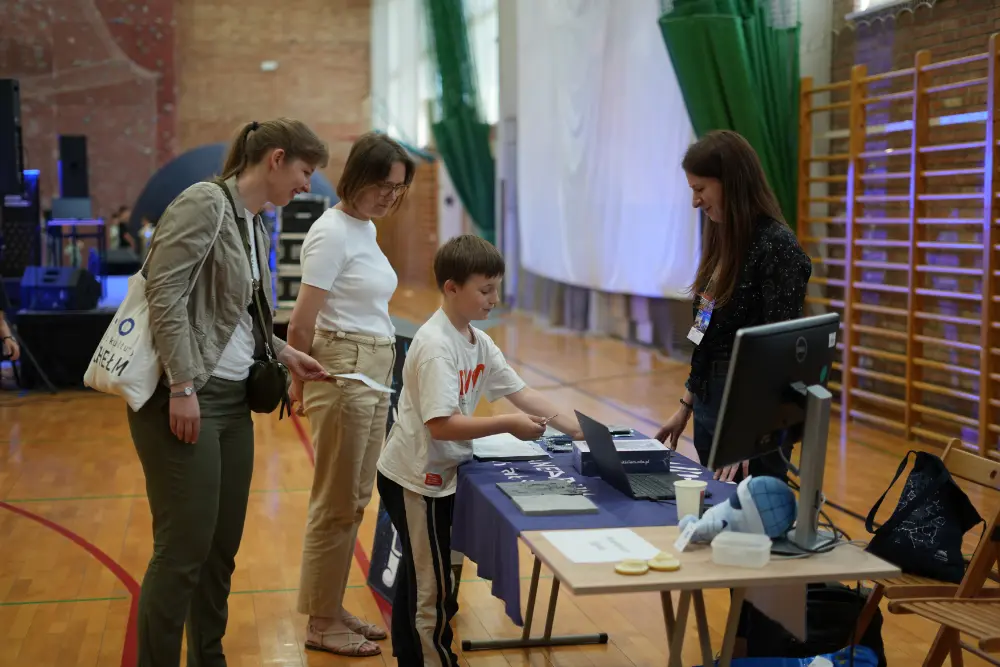
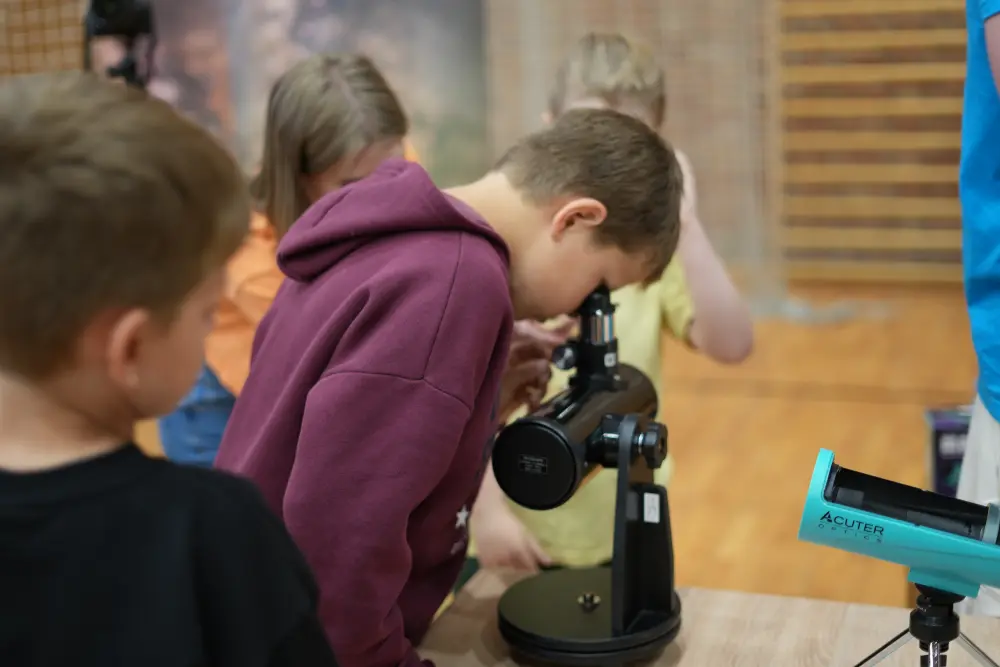
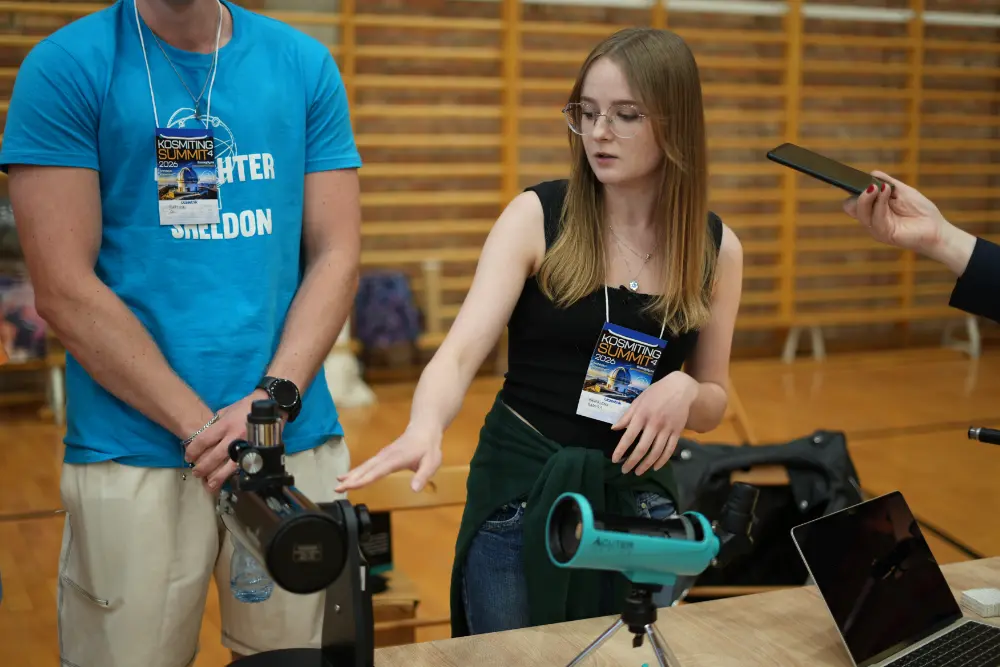
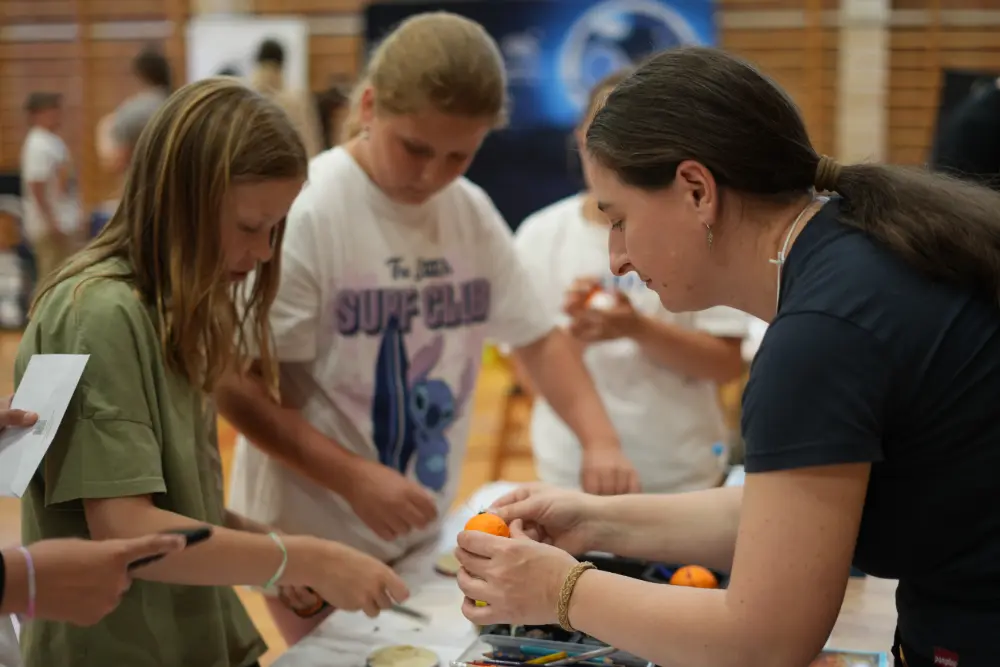
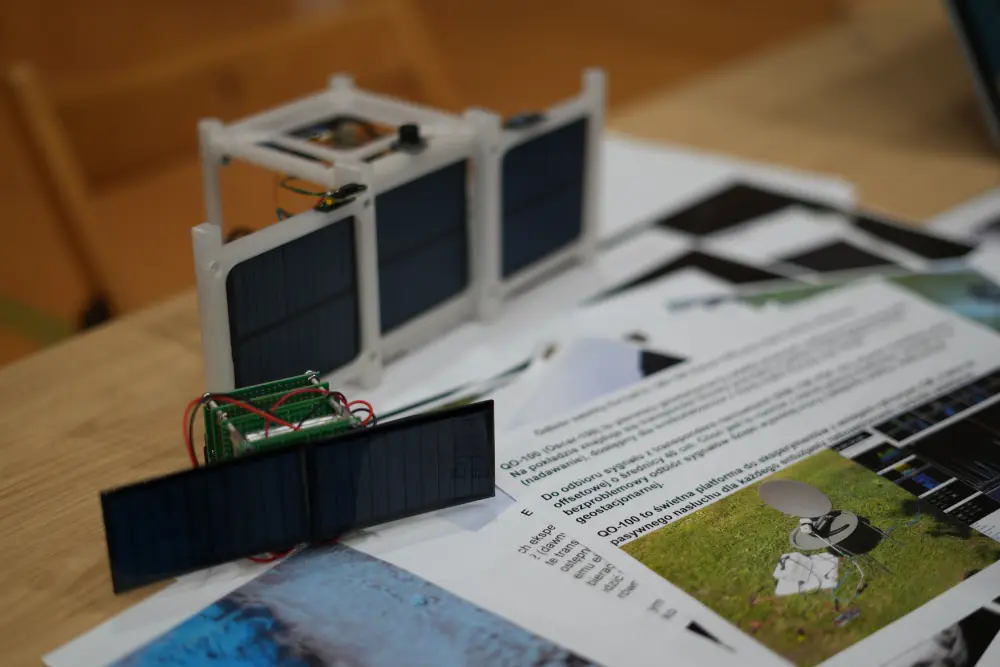
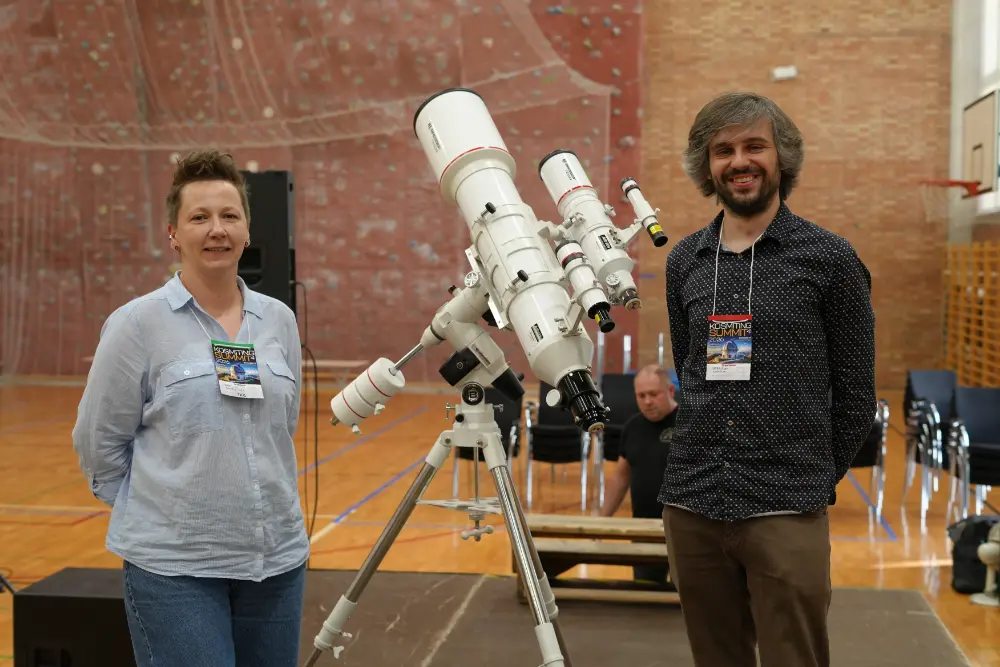
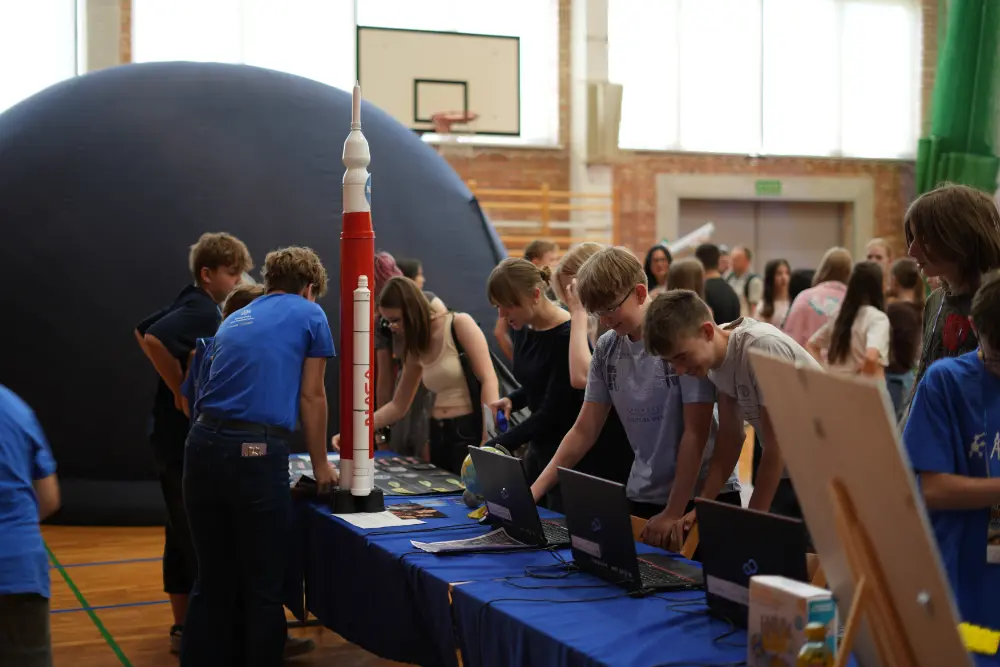
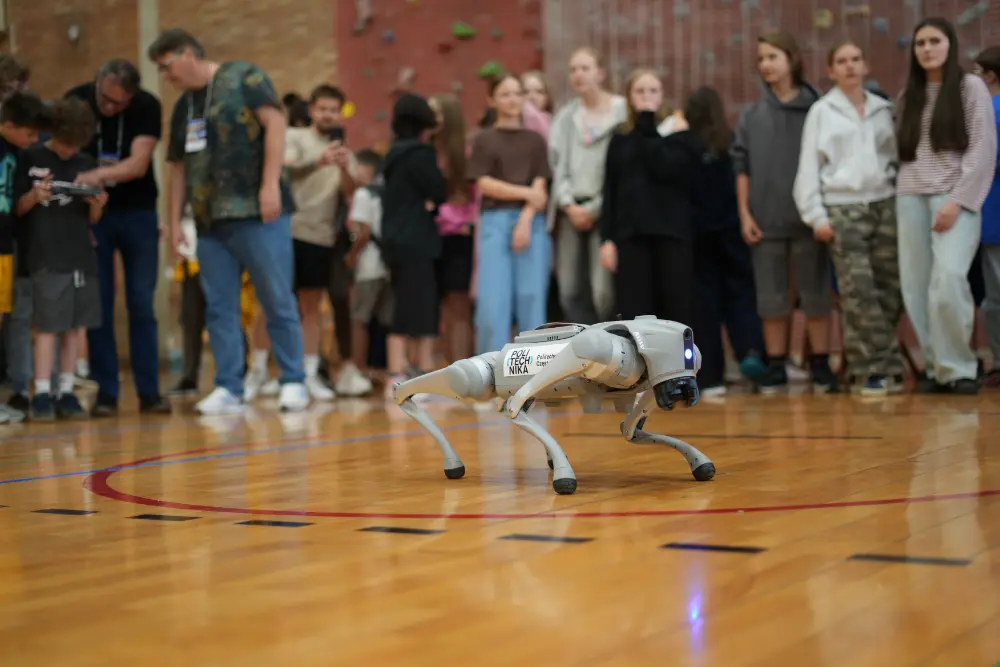
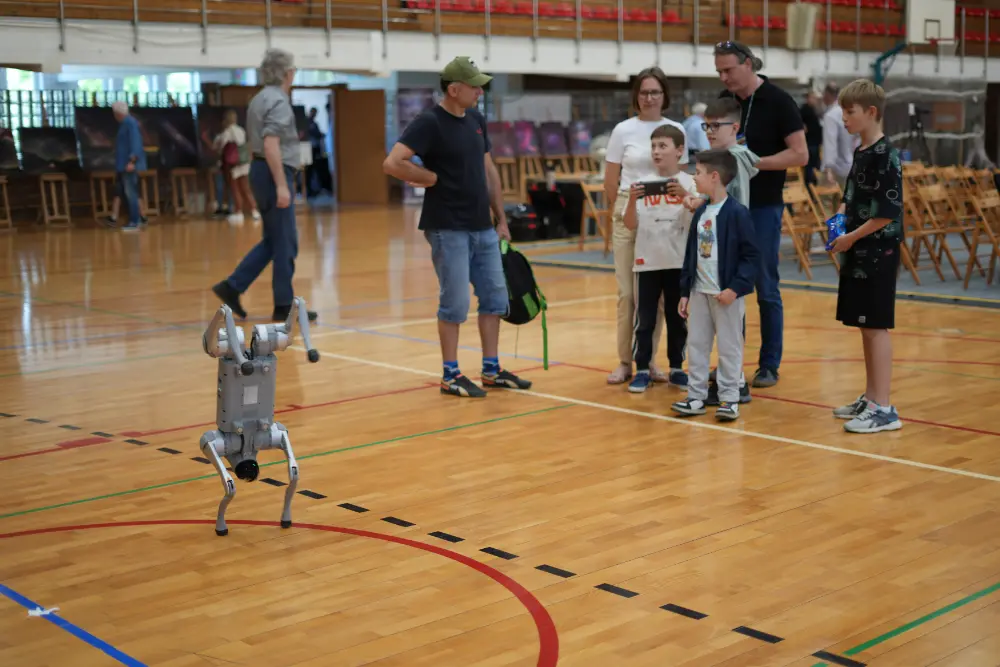
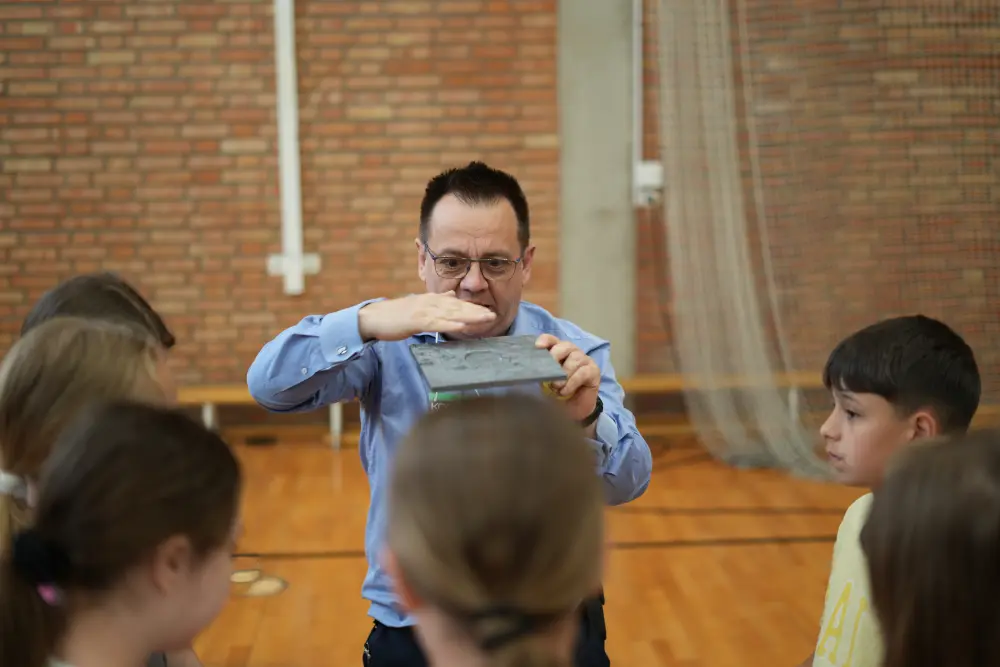
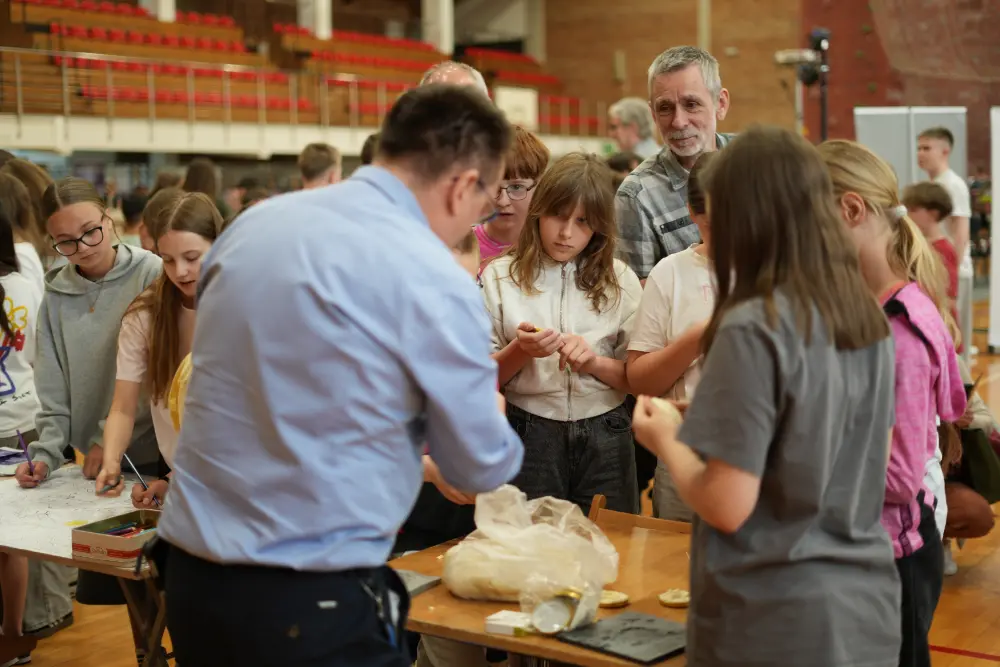
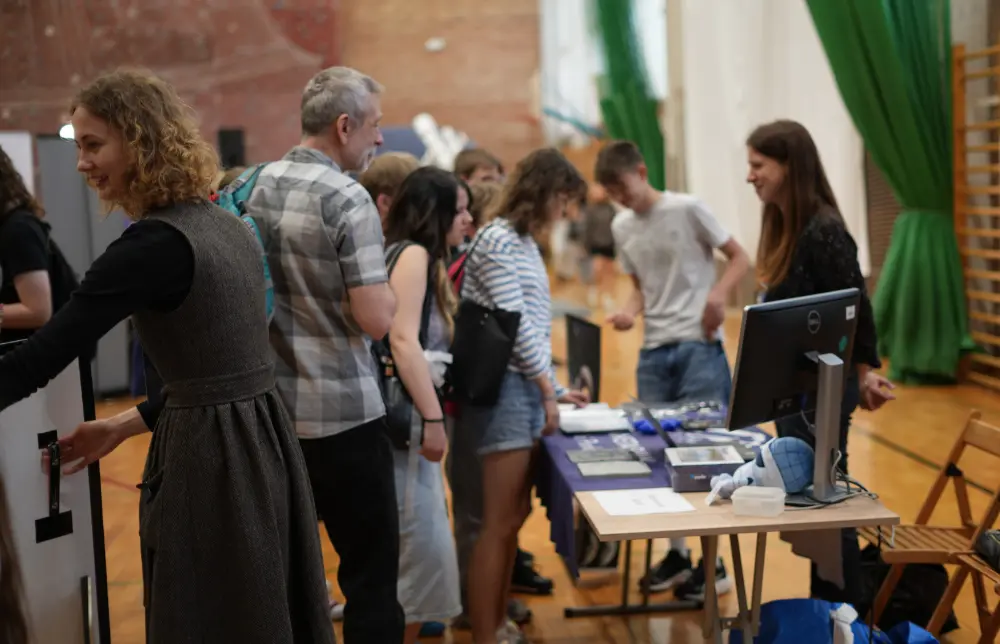
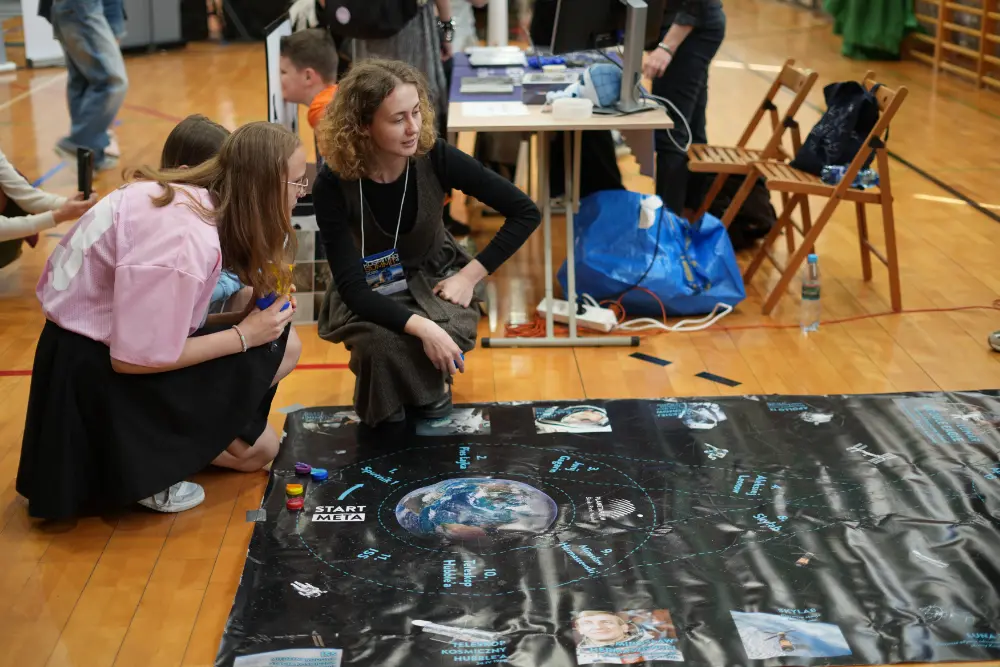
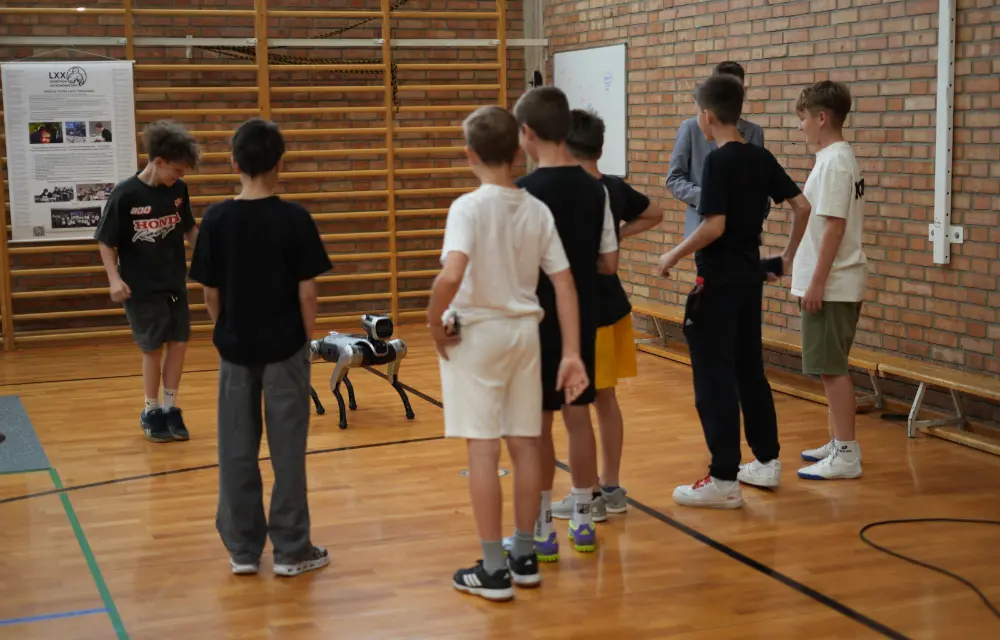
One of the most engaging portions of the conference was the Mini–Science Picknick, which attracted interest not only from residents of Andrychów but also – or, perhaps, especially – from some of the 800 students of the local Primary School № 1. The youth paid special attention to the technologically advanced presentations of the AGH University in Kraków and the Częstochowa University of Technology, which demonstrated, for example, canine-inspired robots. Members of the Jagiellonian University astronomical club, on the other hand, presented various types of telescopes. Also of considerable interest were home-made, easy to craft-produce antennae for radioastronomical observation of Earth. The participating students could be seen taking their parents on tours of the various stands, explaining the functions and construction of the presented instruments.
Several stands of the Science Picknick were associated with astronomical observation centres such as:
- Planetarium – Silesian Science Park,
- the Wolszczan Planetarium,
- Planetarium – Silesian Science Park,
- the Astronomical Observatory of the Jagiellonian University,
- the Kazimierz Kordylewski Youth Astronomical Observatory in Niepołomice,
- the Astronomical Observatory of the Gdańsk Autonomous Schools,
- Astrobaza in Gostycyn,
- the Astronomical Observatory in Kościan,
- the Astronomical Observatory in Tymce,
- the School Astronomical Observatory in Gawłów,
- the Astronomical Observatory Institute of the Adam Mickiewicz University in Poznań.
They offered quizzes and interactive attractions centred around stars and planets.
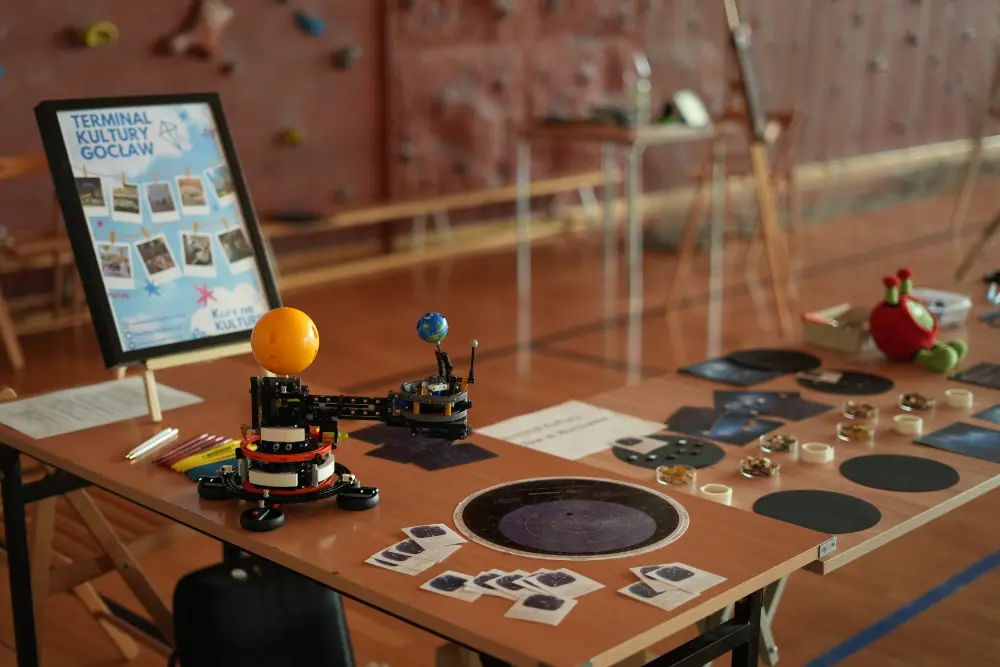
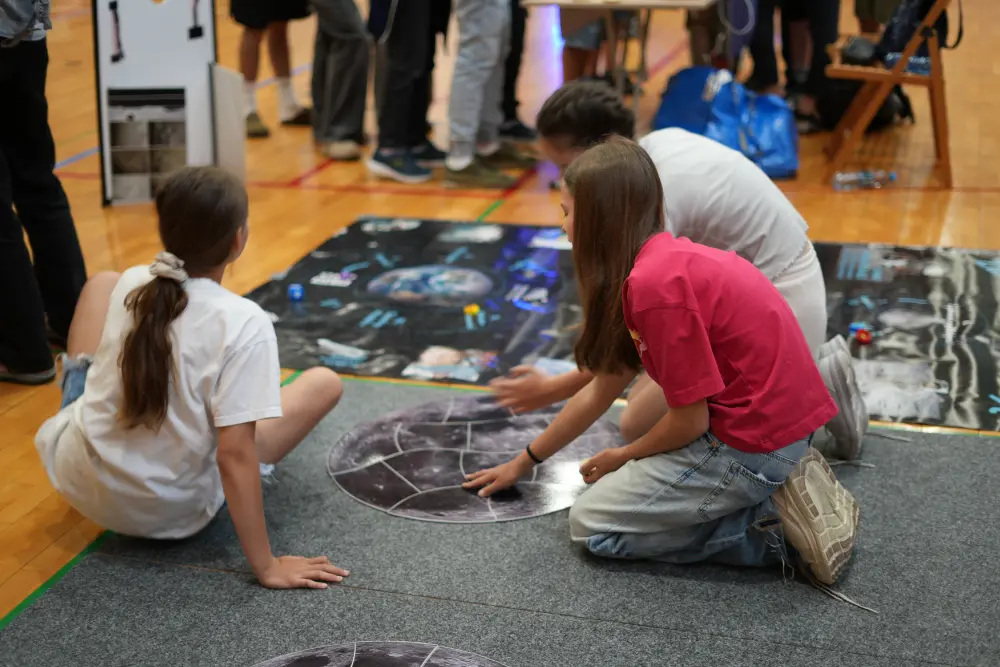
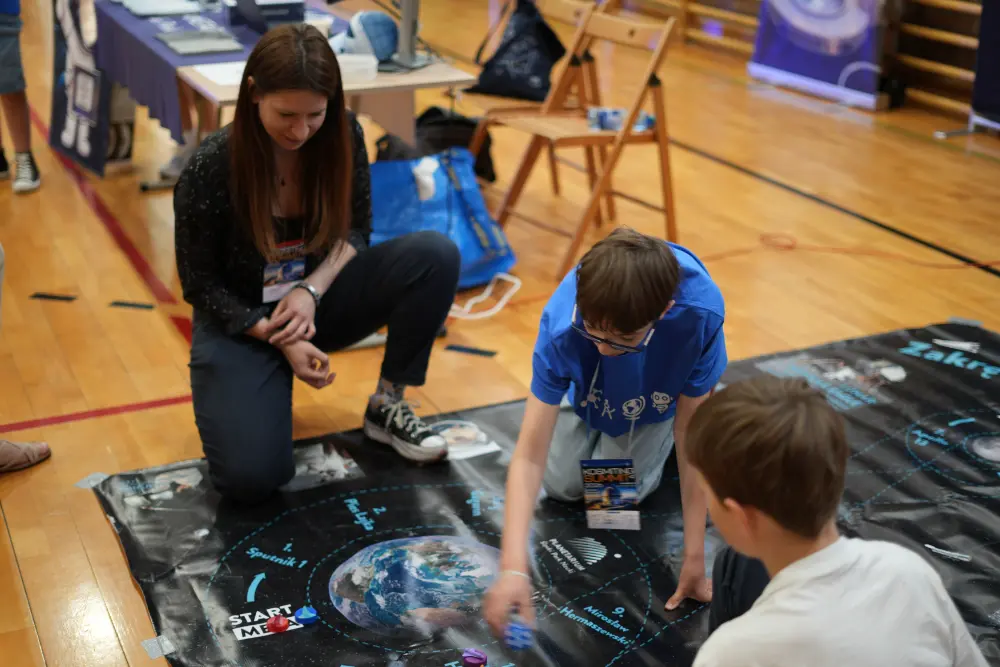
Furthermore, the centres building their own small observatories – e.g. the Gocław Culture Terminal in Warsaw – prepared interesting educational games related to the fields of astronomy and physics, which allowed the local residents to spend their time creatively satiating their curiosity about the Universe.
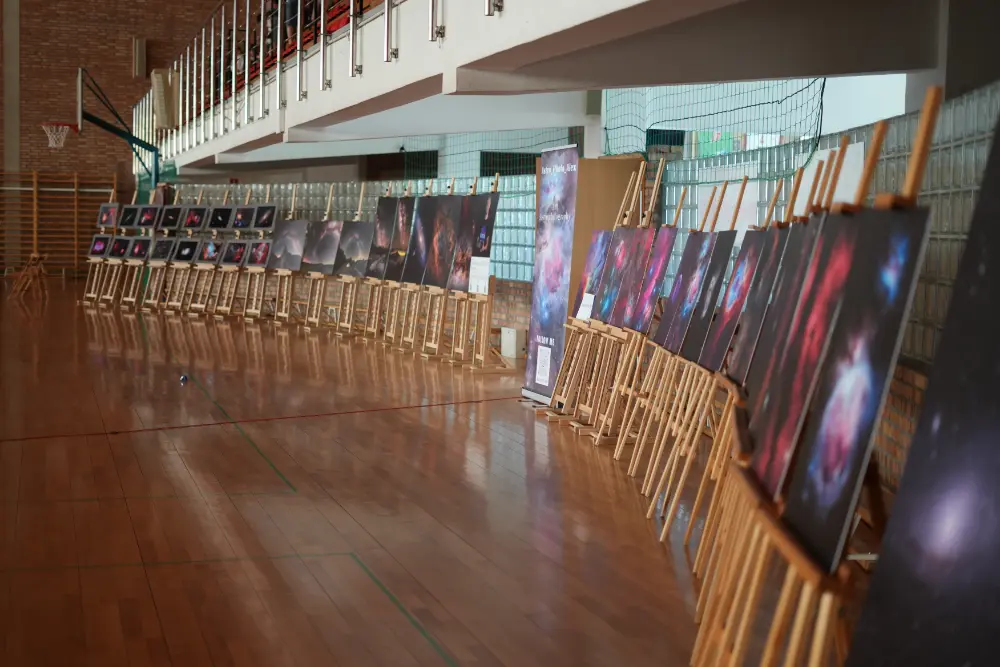
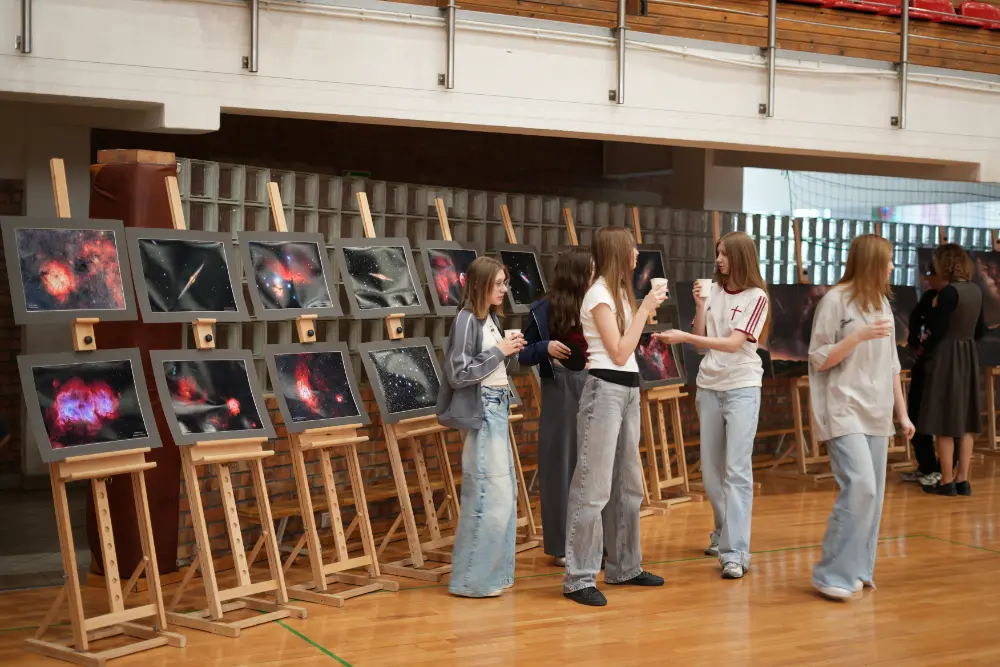
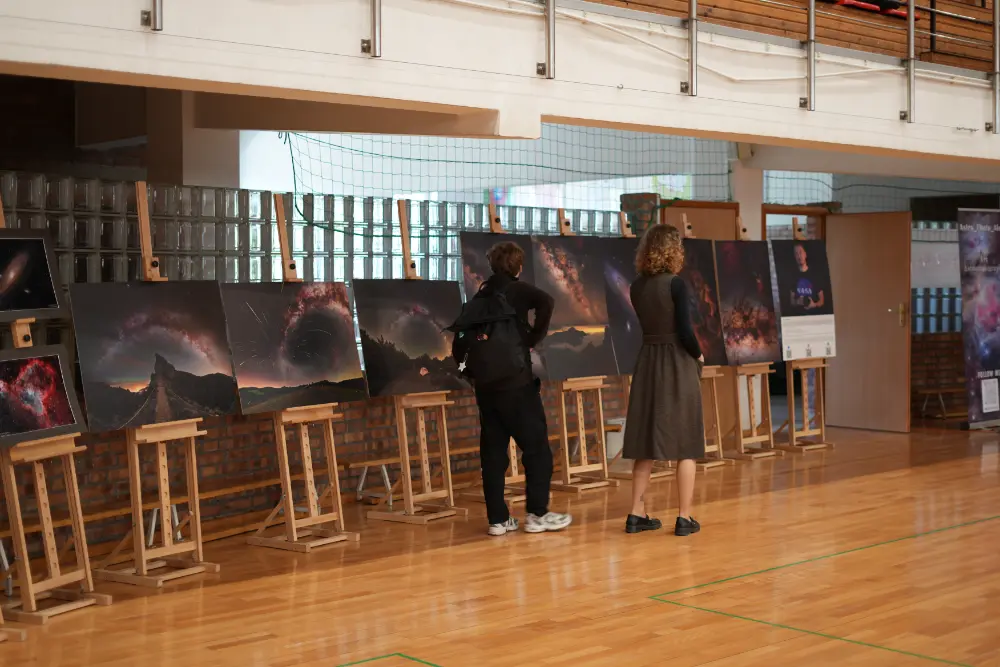
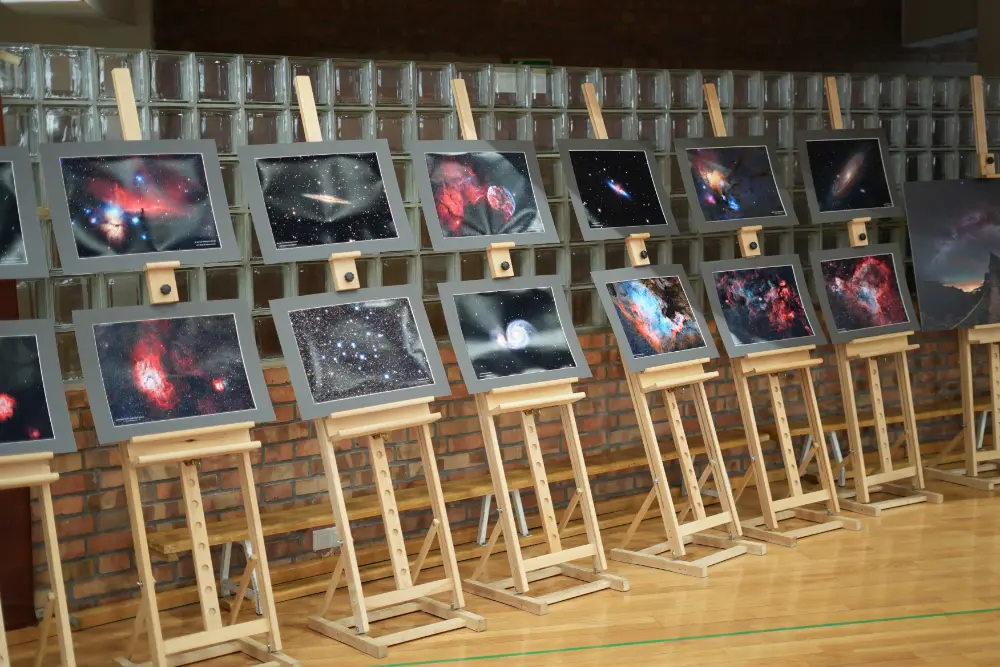
Meanwhile, the visual beauty and continuing mystery of space were illustrated by displays of photographs achieved thanks to the lenses of telescopes.
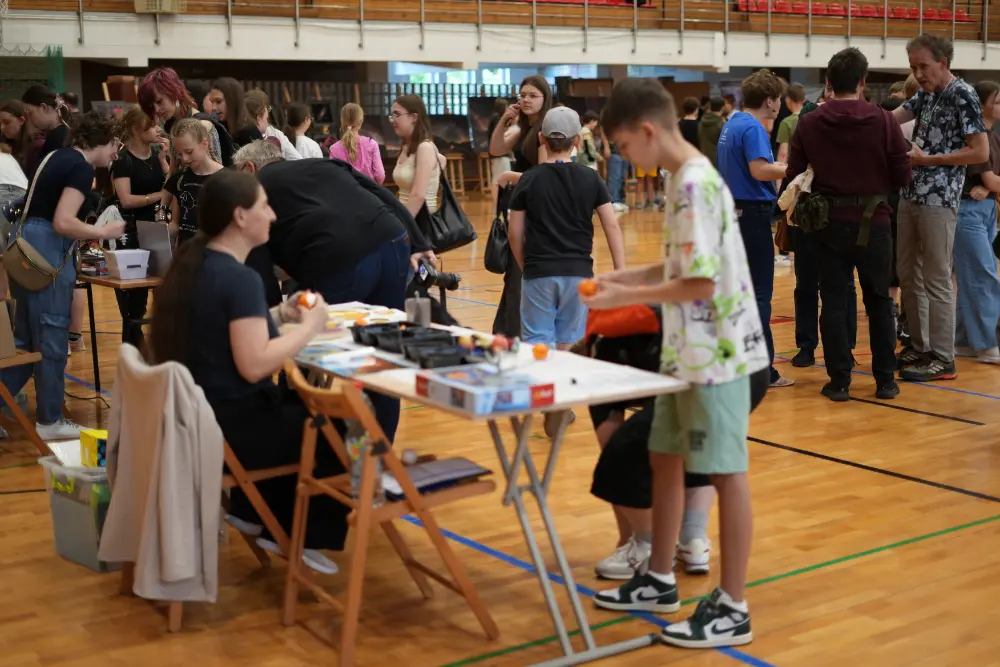
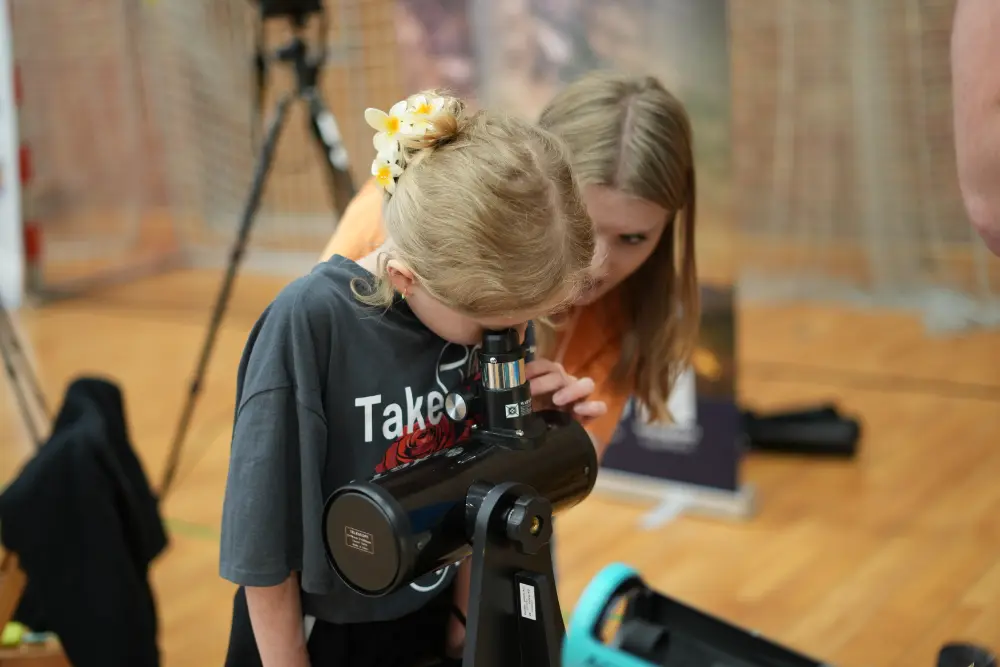
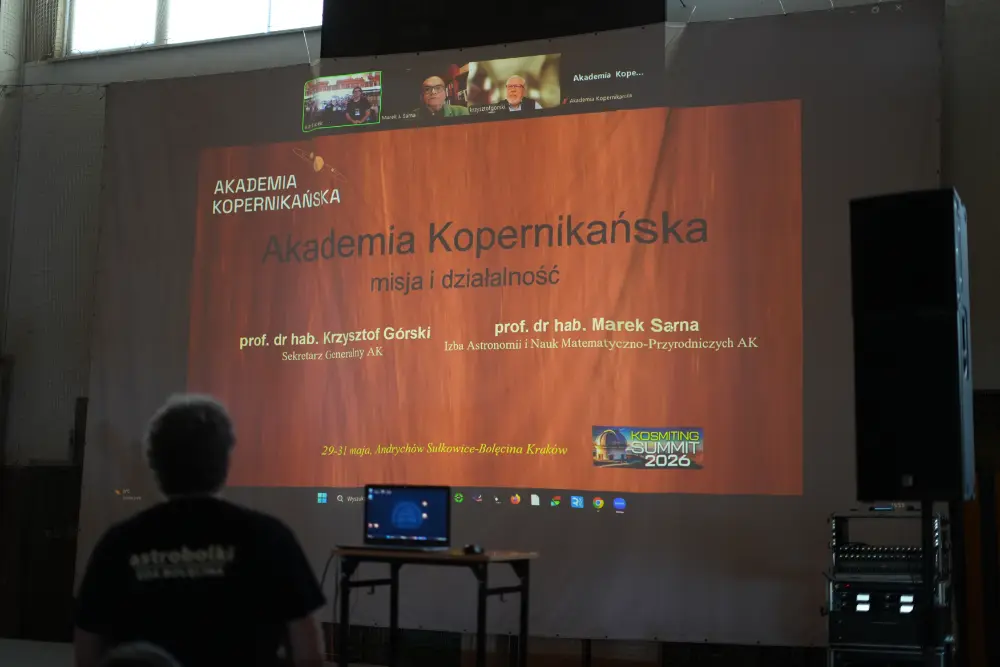
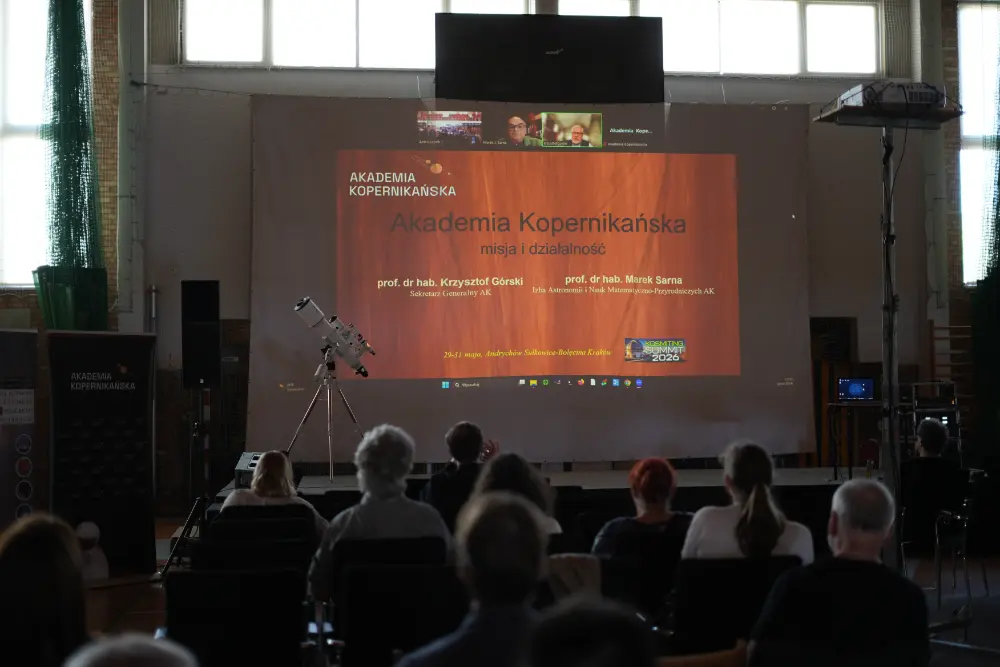
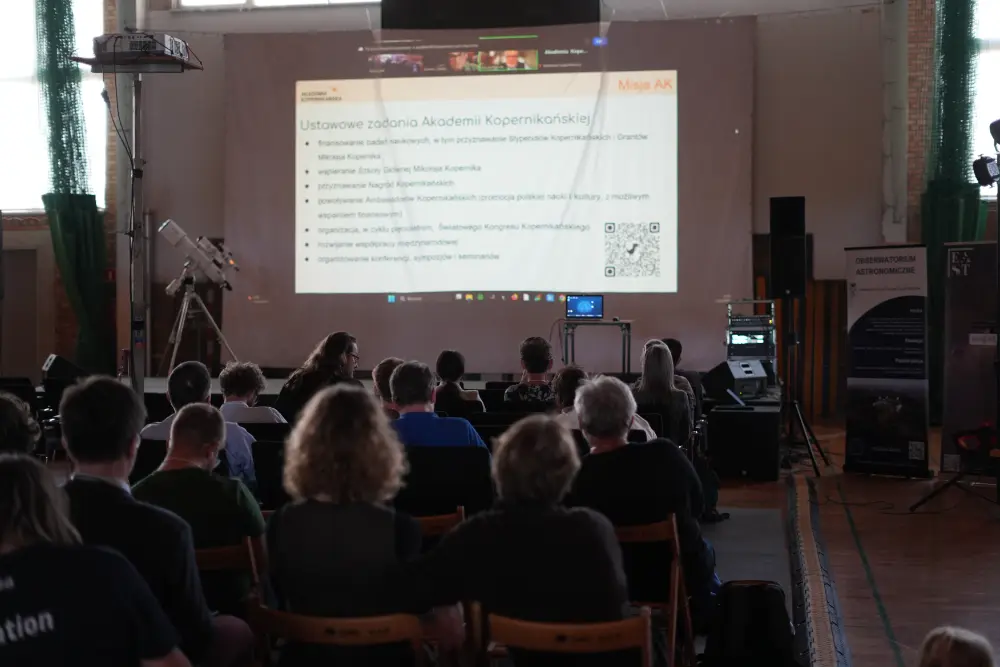
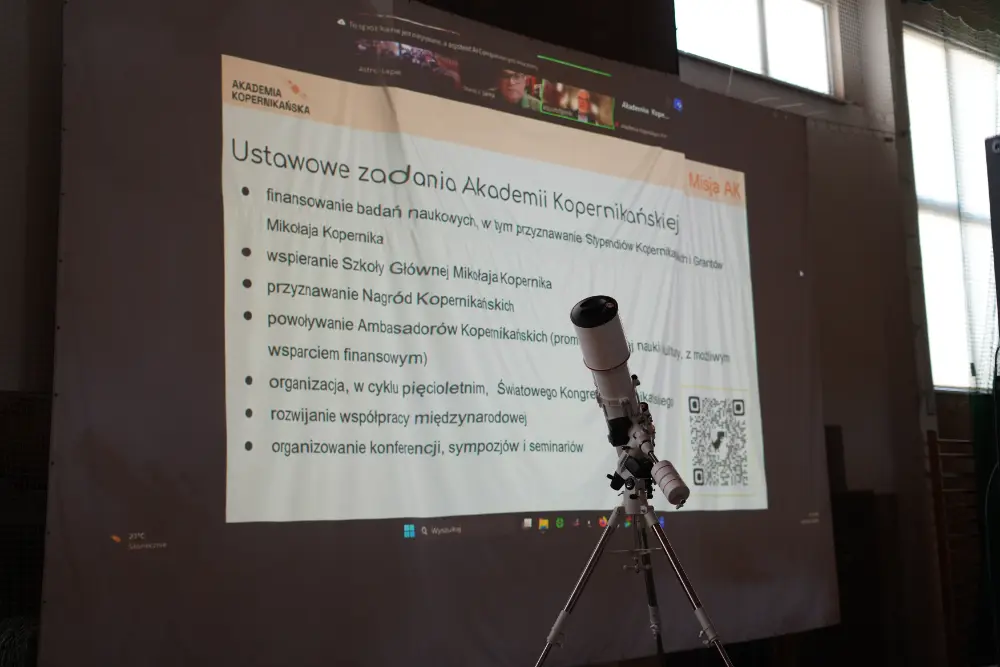
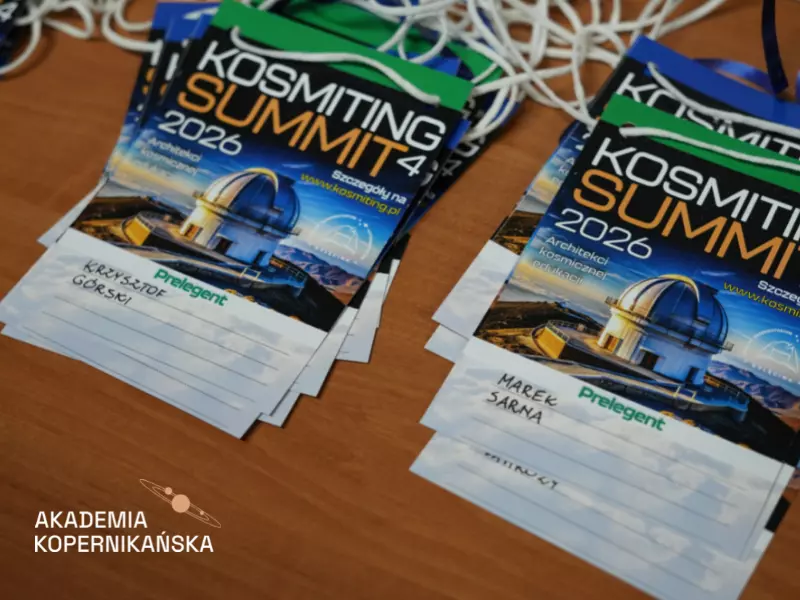
The afternoon lecture session contained the presentation of a new science institution popularizing Copernican fields and Nicolaus Copernicus’s legacy. Titled “The Mission and Activities of the Nicolaus Copernicus Academy”, it was presented by the Secretary General of the NCA Prof. Krzysztof Górski and member of the NCA Prof. Marek Sarna. The conference participants learned of the tasks of the Academy, its potential, and projects popularizing Polish and international science.
Said portion of the event also hosted lectures by:
- Jakub Grygiel – “Popularization and Photography in the Tatry Region”,
- Tomasz Ściężor – “Influence of Residential Lighting on Light Pollution”,
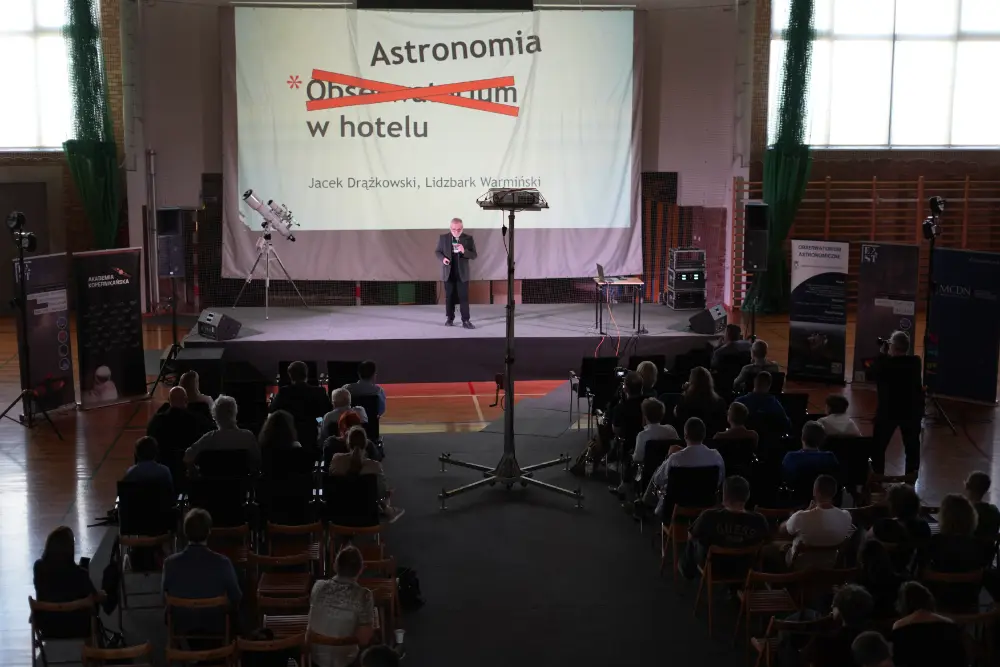
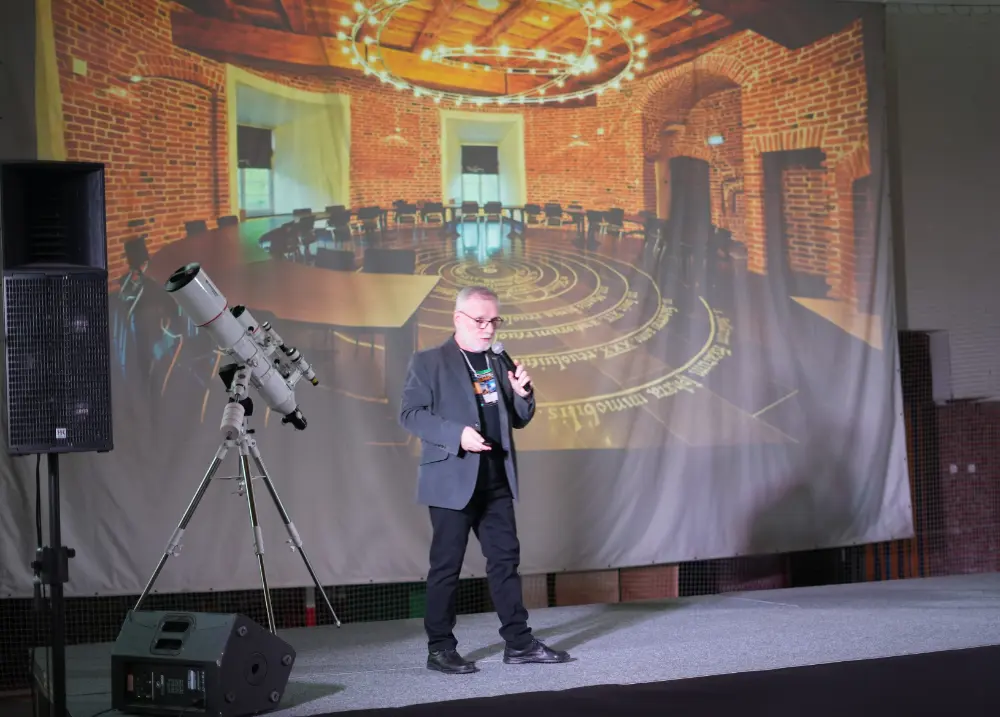
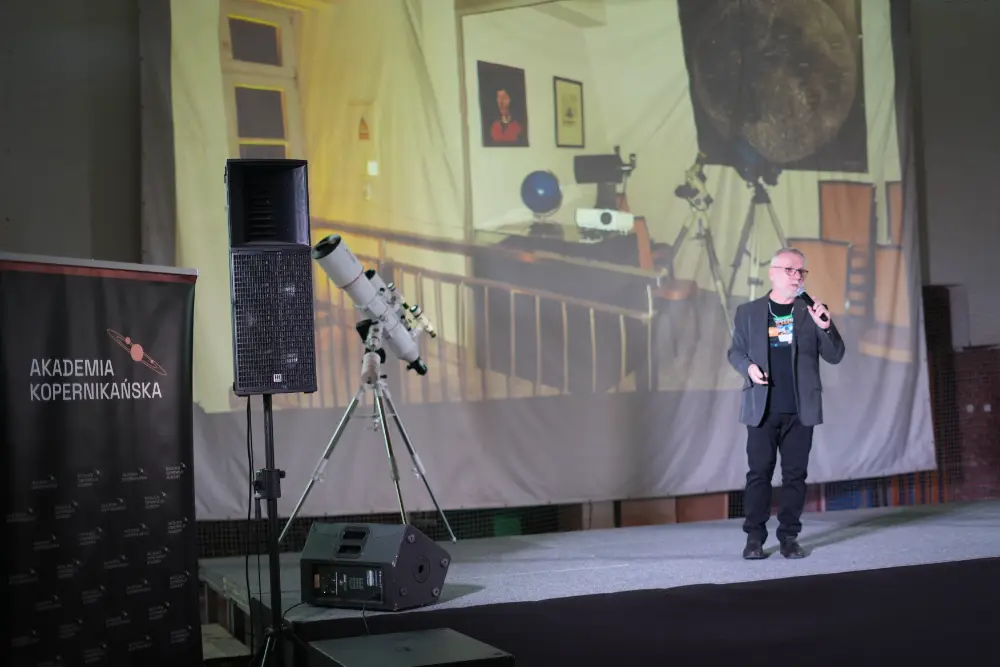
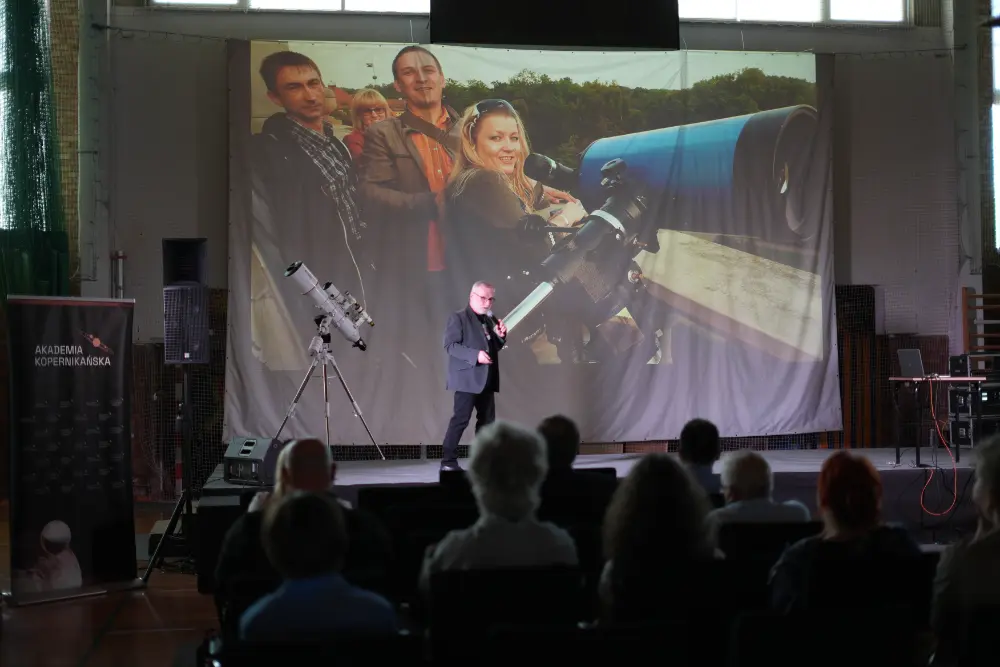
- Jacek Drążkowski – “Astronomy in a Hotel”,
- Maciej Frankiewicz and Mikołaj Tyszko – “A Clock and Astronomical Calculator for Observatories – ZiKADO”,
- Jakub Tokarek – “Project ‘Let’s Turn Off the Lights!’”,
- Sebastian Kurowski – “A 19th-Century Refractor in Service of Education”
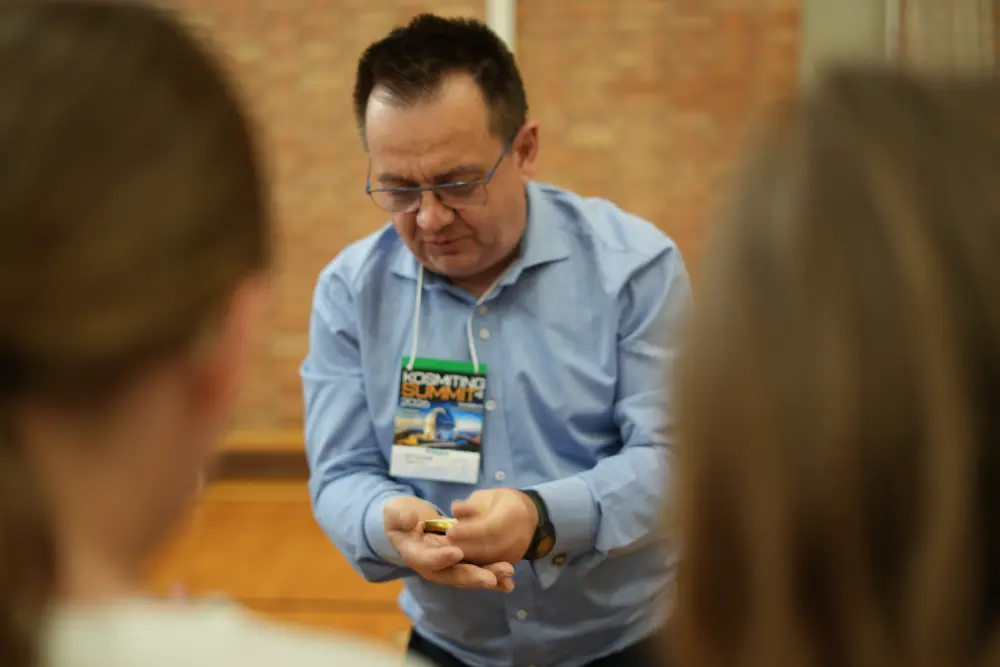
The Nicolaus Copernicus Academy put forward and sponsored the participation of Mr. Jacek Drążkowski – teacher at the Nicolaus Copernicus Primary School № 1 in Lidzbark Warmiński. Mr. Drążkowski is a physics and astronomy educator with decades of experience as well as a school astronomical competition organizer. He is actively dedicated to astronomy popularization outside of school as well, working as an astronomy instructor at the Krasicki Hotel, next to the Lidzbark Bishops’ Castle – the former residence of Nicolaus Copernicus. He is a member of the editorial staff of the “Urania” magazine and publishes his own science popularization articles as well. Mr. Jacek is also a meteorite collector and a cofounder of the Polish Meteorite Association.
What concluded the first day of the conference turned out to be something more than the planned social gathering. As befits lovers of astronomy, the telescope enthusiasts set up their own equipment to capitalize on Andrychów’s low levels of light pollution. With considerable dedication, using whatever materials were available, the remaining light sources were covered and stargazing ensued, accompanied by music, joy, and an exchange of experiences. One of the participants even eclipsed his previous record when he sent his 1000th report to a Poland-wide observational database.
We congratulate Mr. Jacek Drążkowski on his excellent results!