
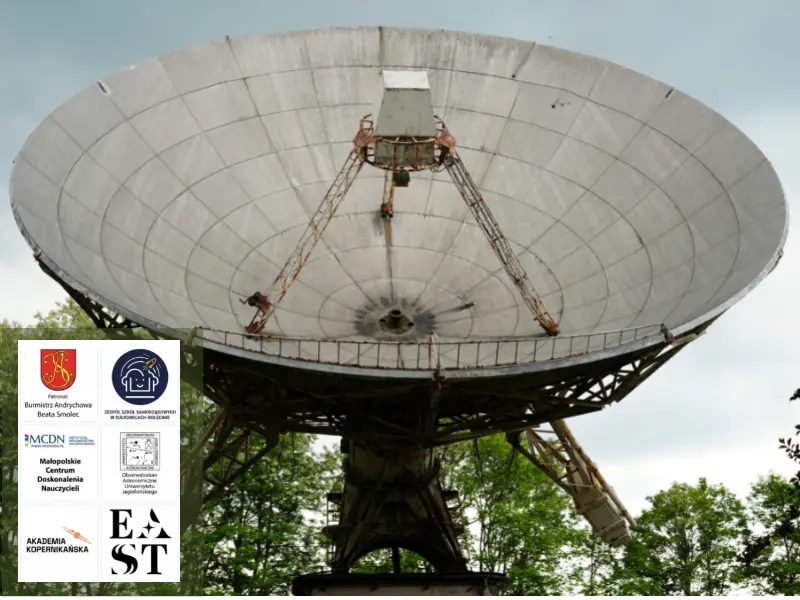
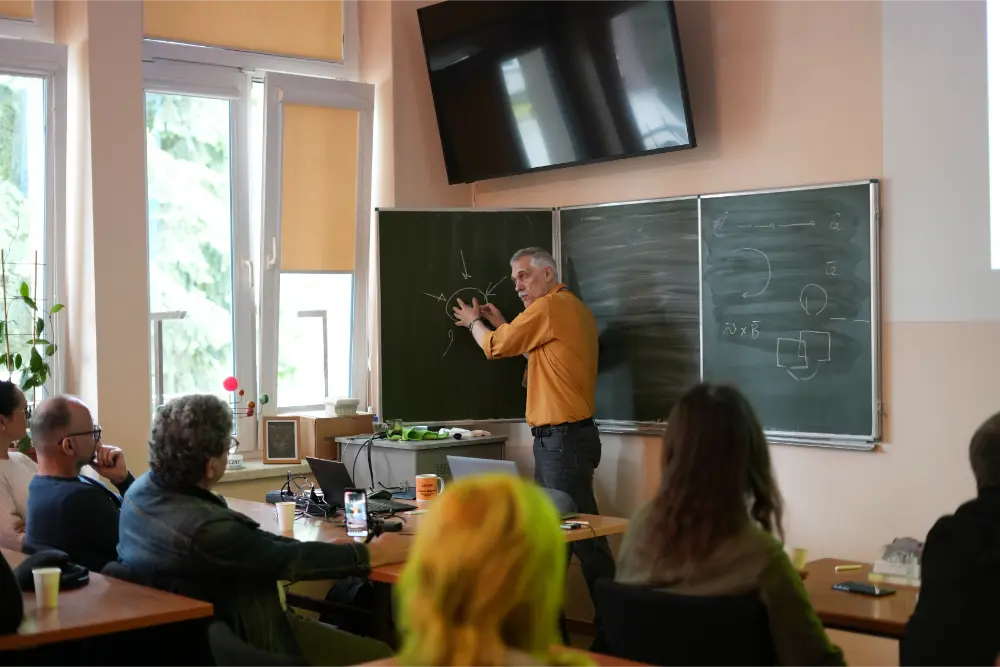
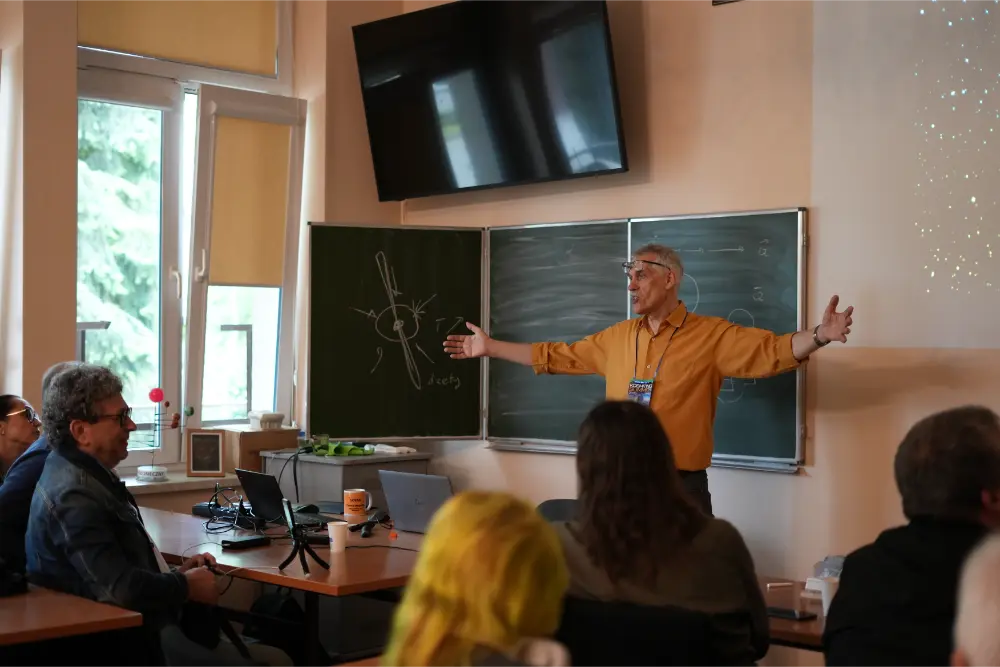
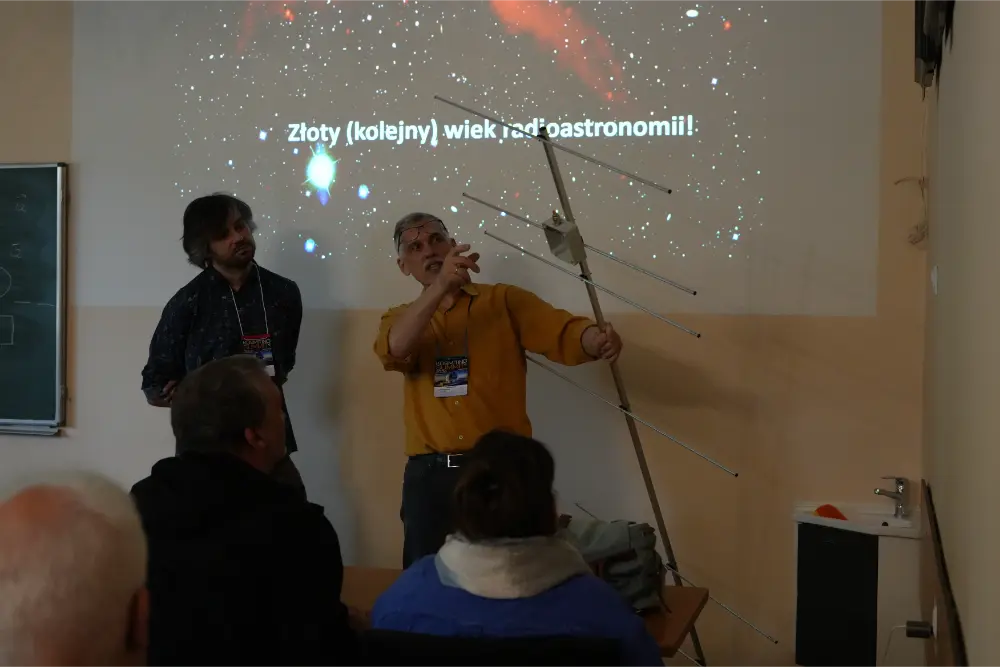
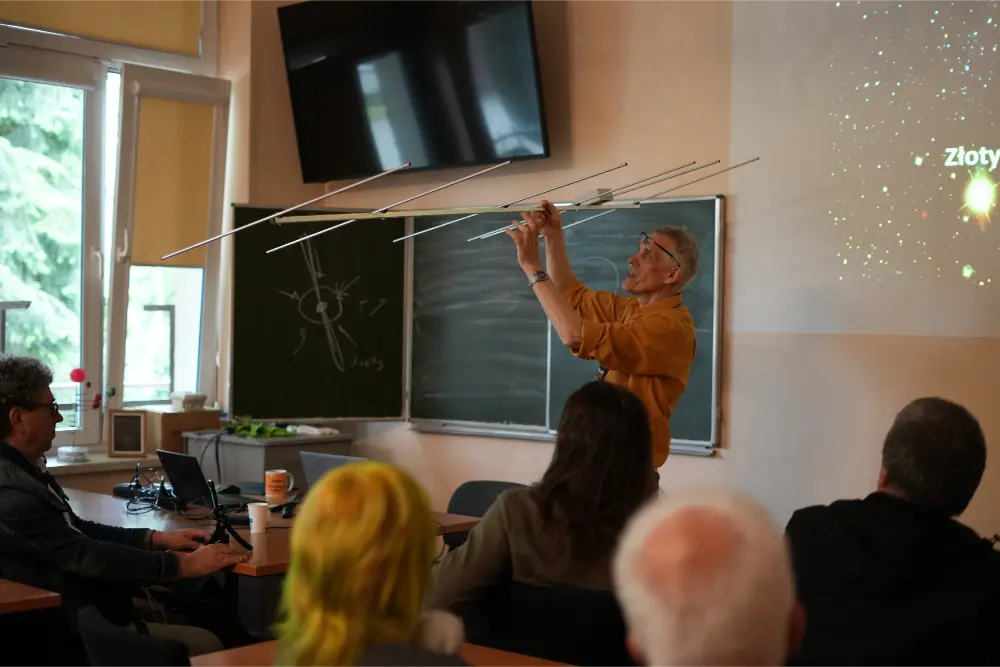
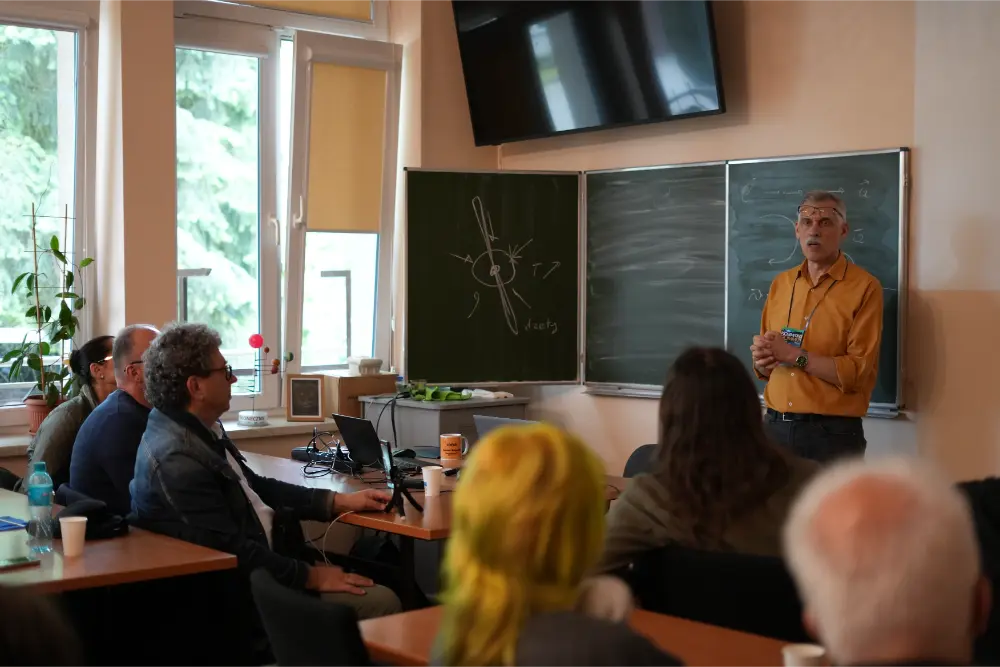
On Sunday, 31st of May, 2026, the Astronomical Observatory of the Jagiellonian University (UJ) in Kraków hosted the third day of the fourth edition of the Kosmiting Summit. The day, opened by a lecture by Prof. Krzysztof Chyży, titled “Radioastronomy in a Nutshell”, brough the participants closer to the diverse methods of space observation, especially with respect to the use of radio waves.
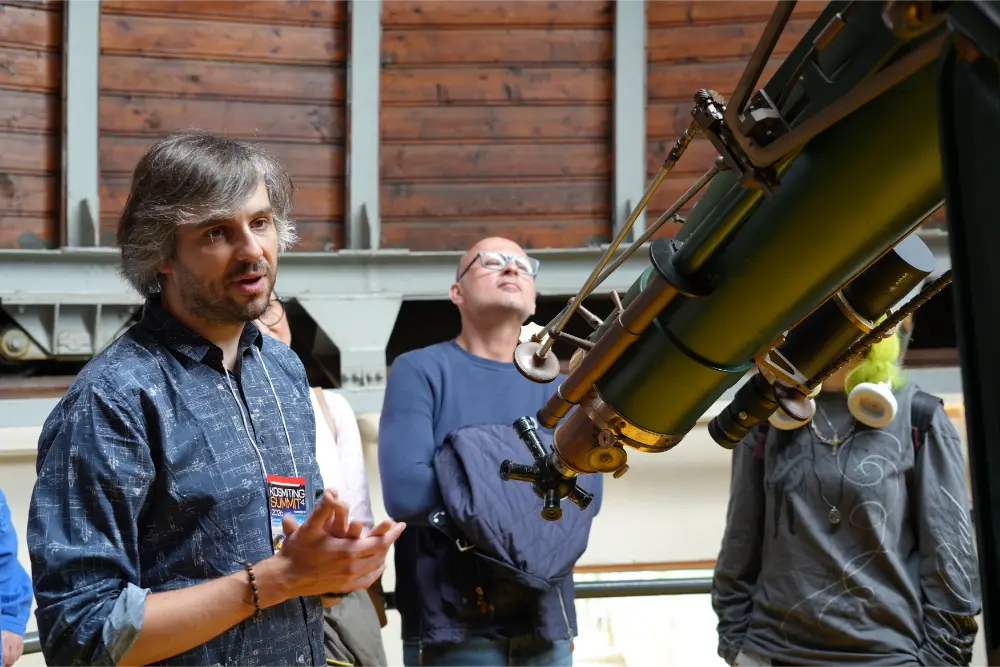
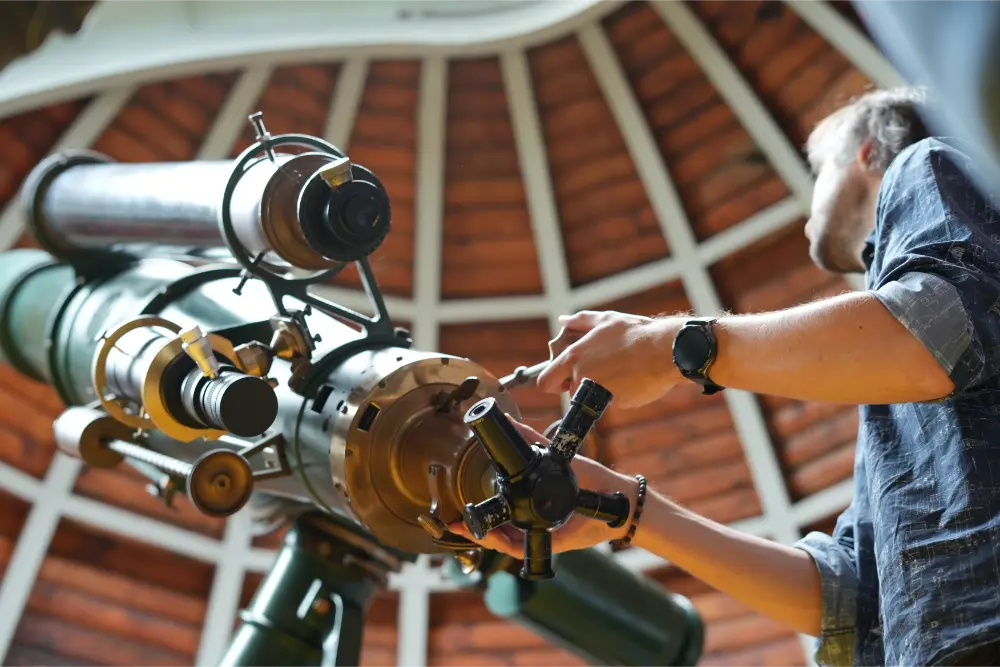
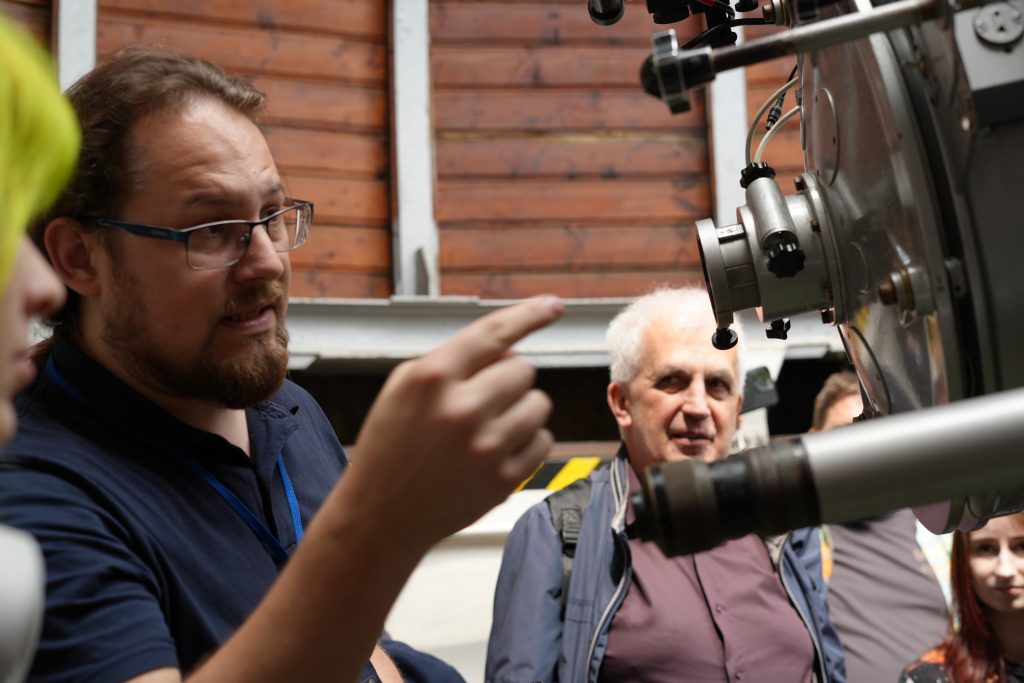
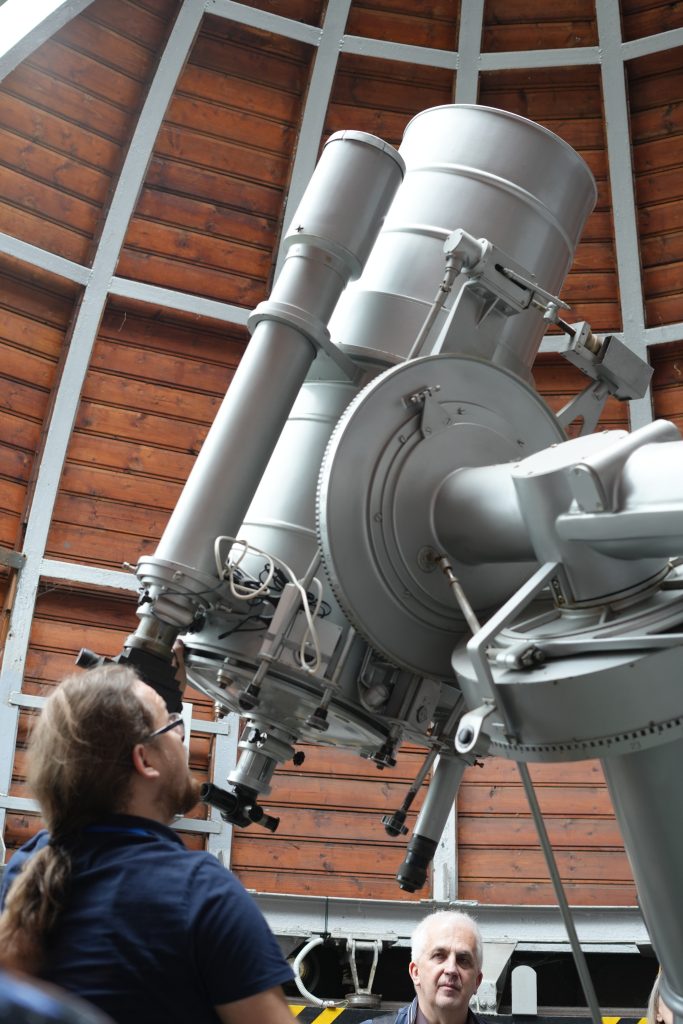
As those present explored the Observatory, they could familiarize themselves with multiple optical telescopes. Among them were both modern instruments as well as the freshly restored antique telescope manufactured by the historic Grubb company.
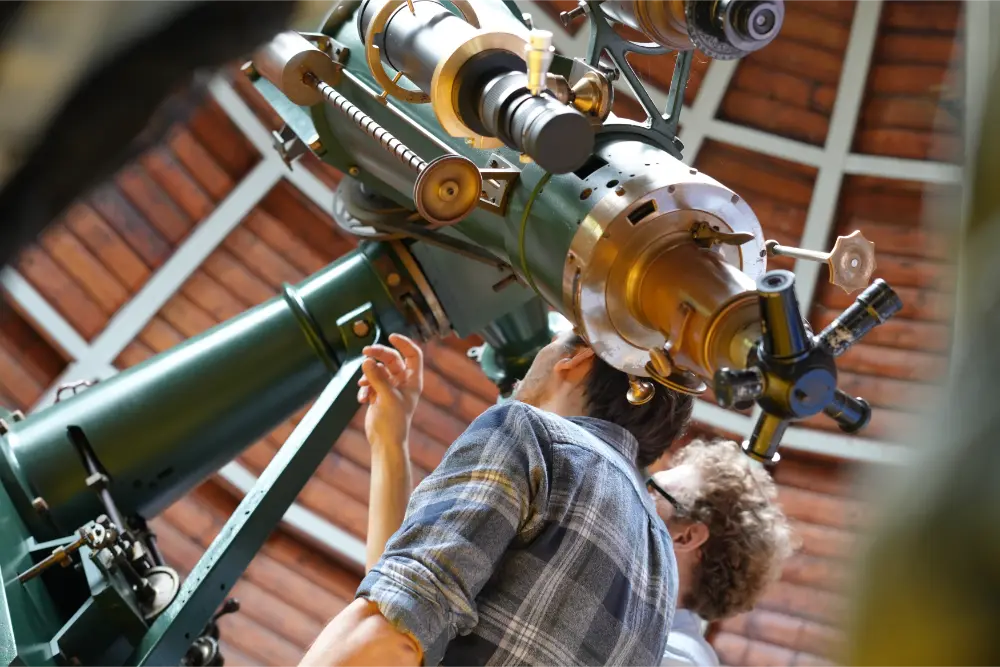
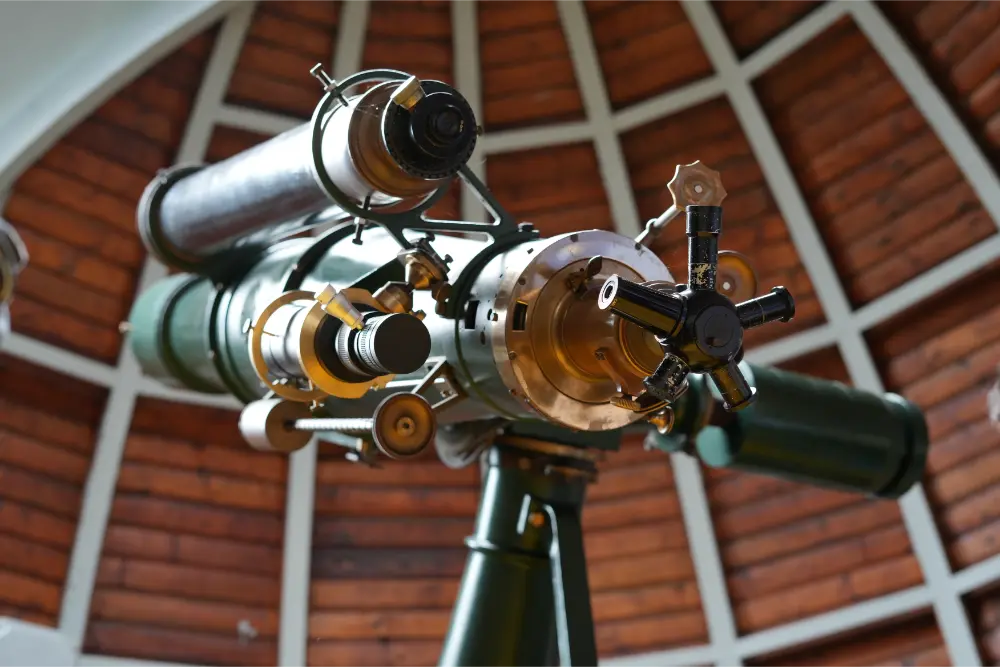
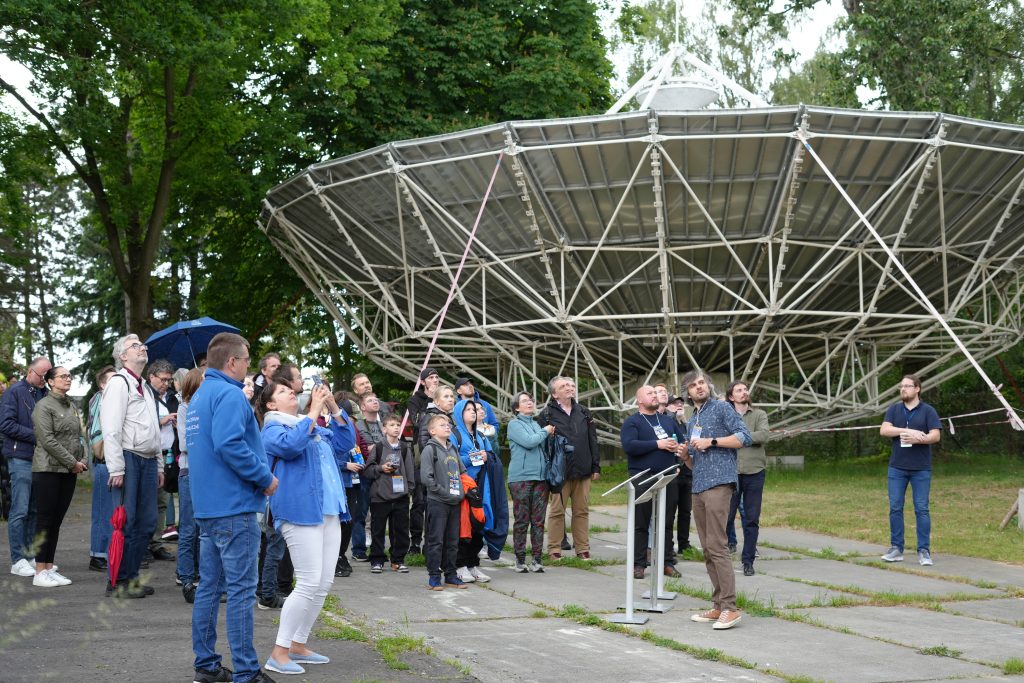
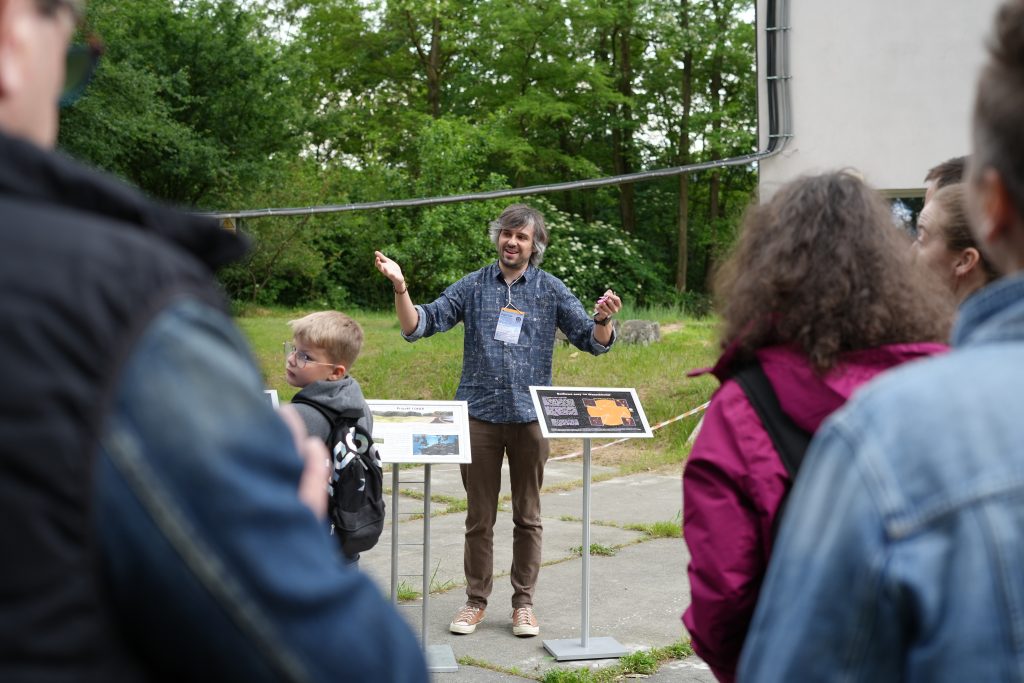
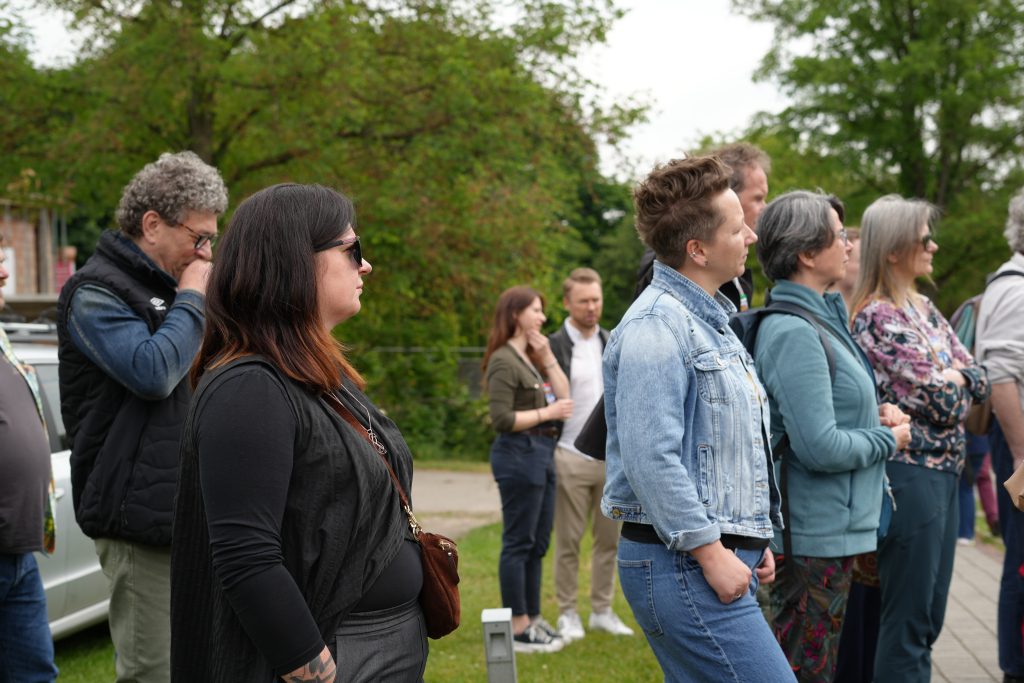
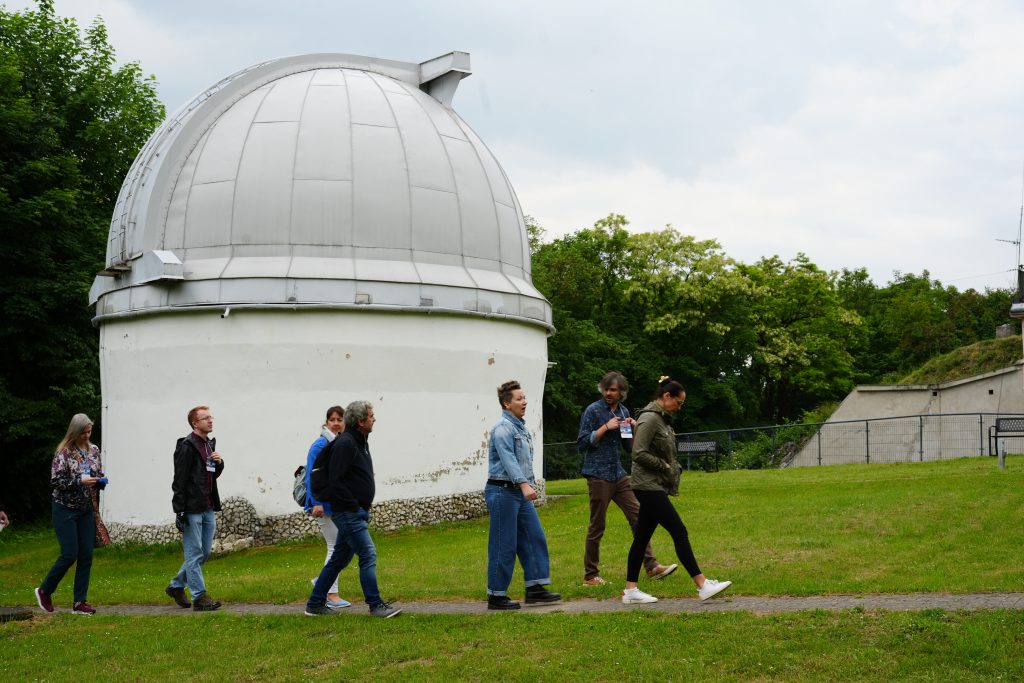
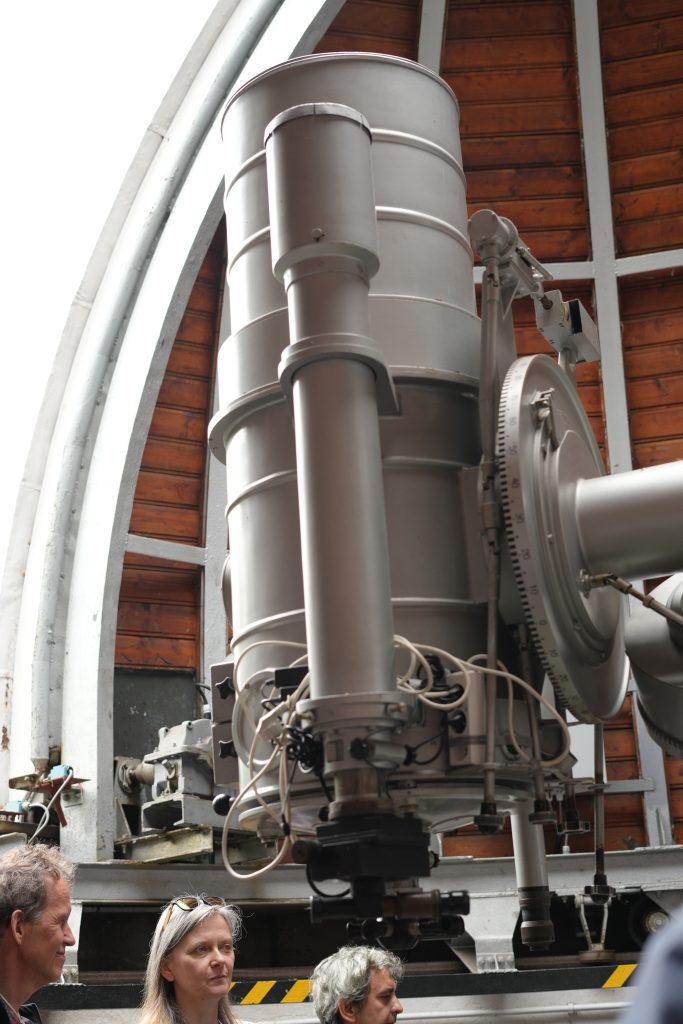
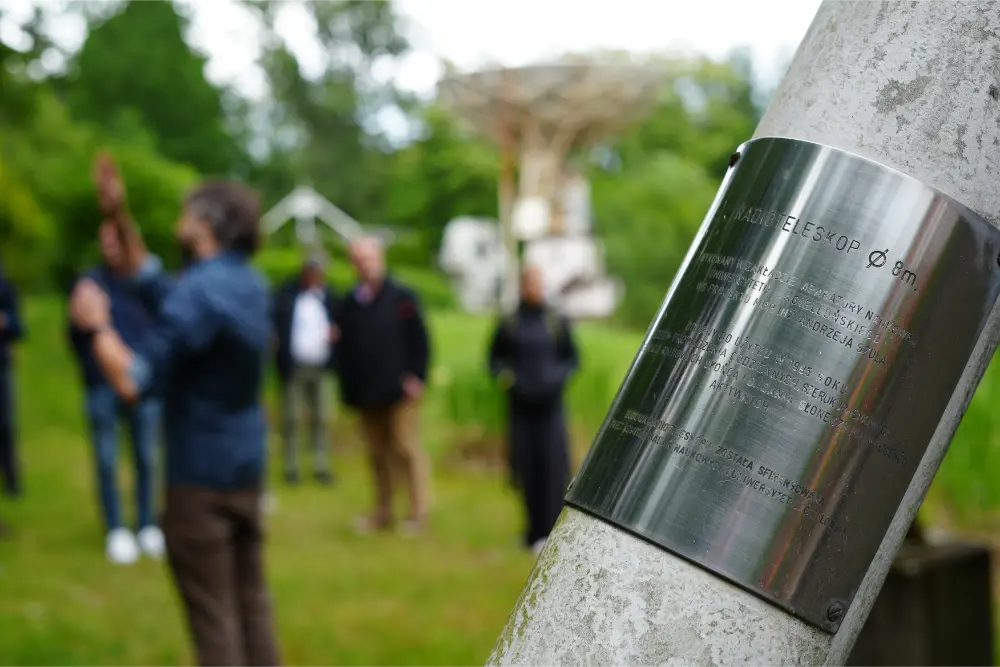
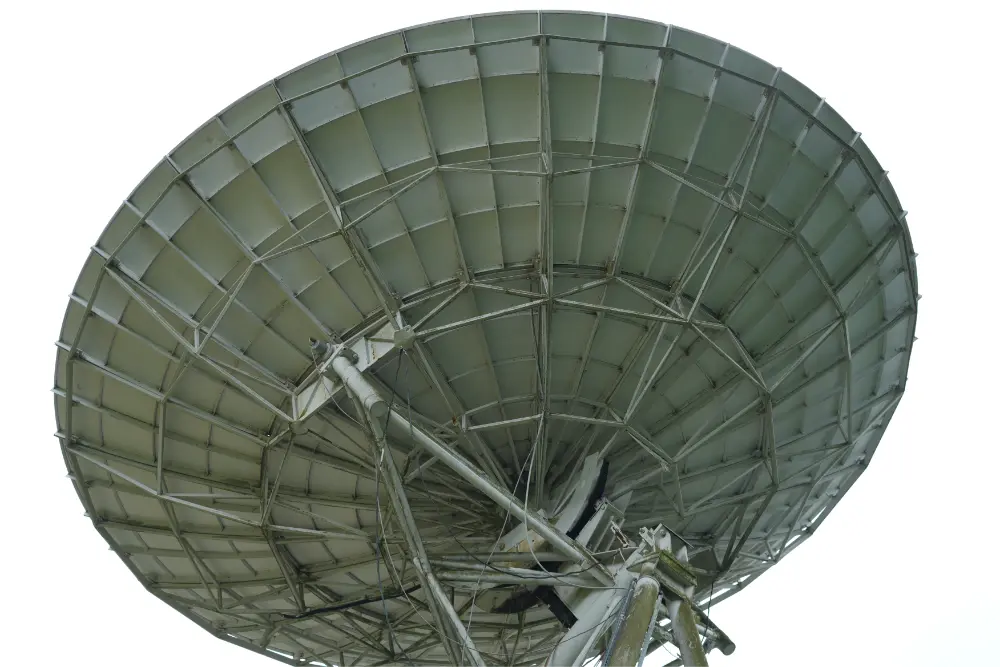
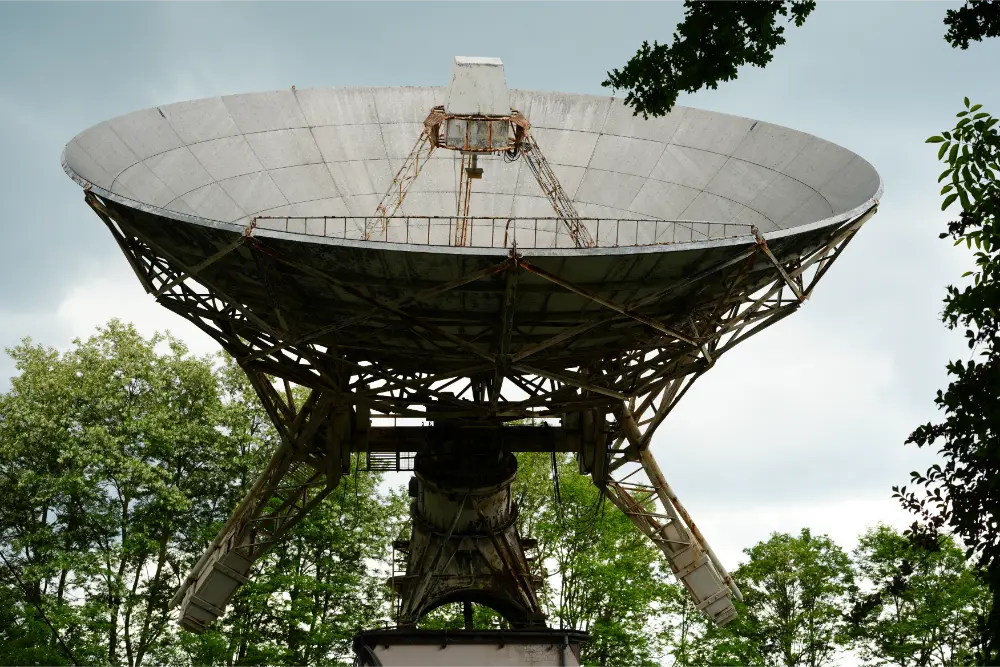
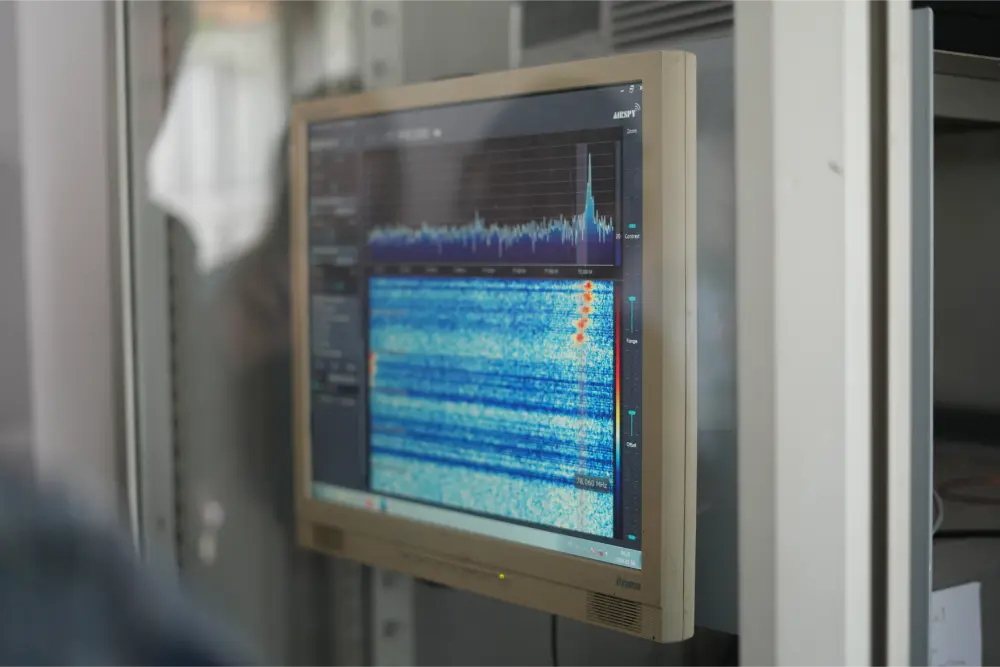
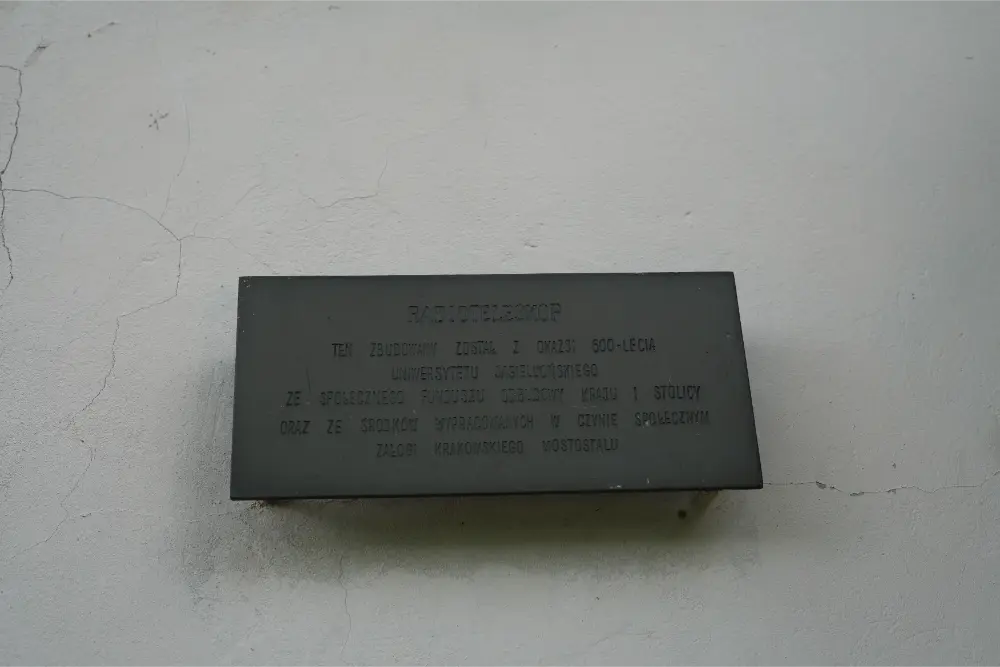
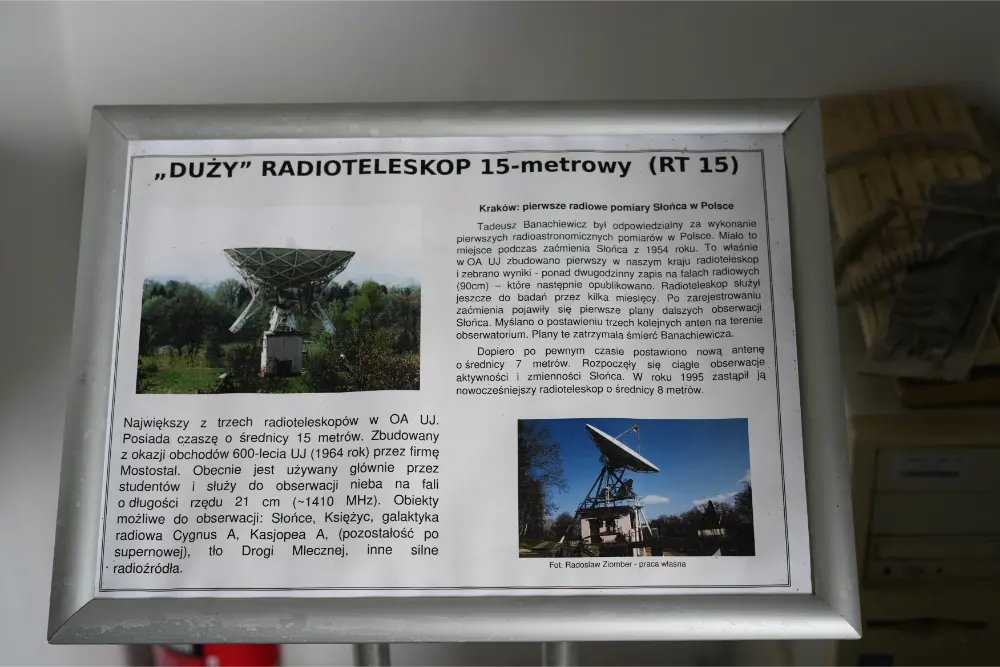
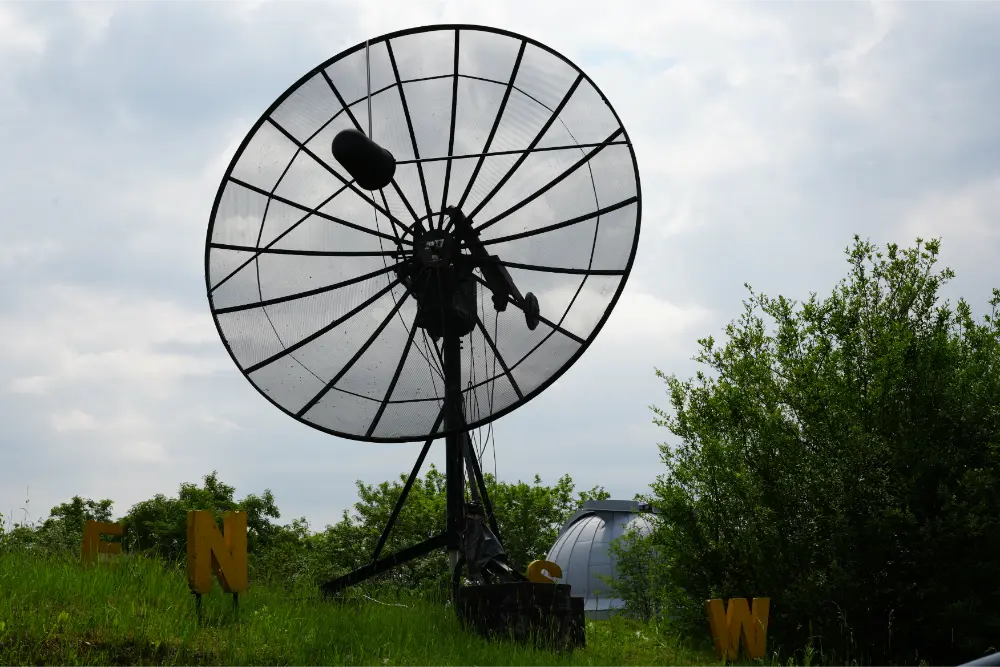
The available radio telescopes, with respect to their size, also constituted a broad spectrum. Using an instrument not larger than a domestic satellite dish, the participants could detect signals coming from the Sun as well as geostationary satellites. On a larger scale, the Observatory also demonstrated its eight-metre radio telescope used in Solar observation and presented the operation a fifteen-metre radio telescope together with the associated measurement devices.
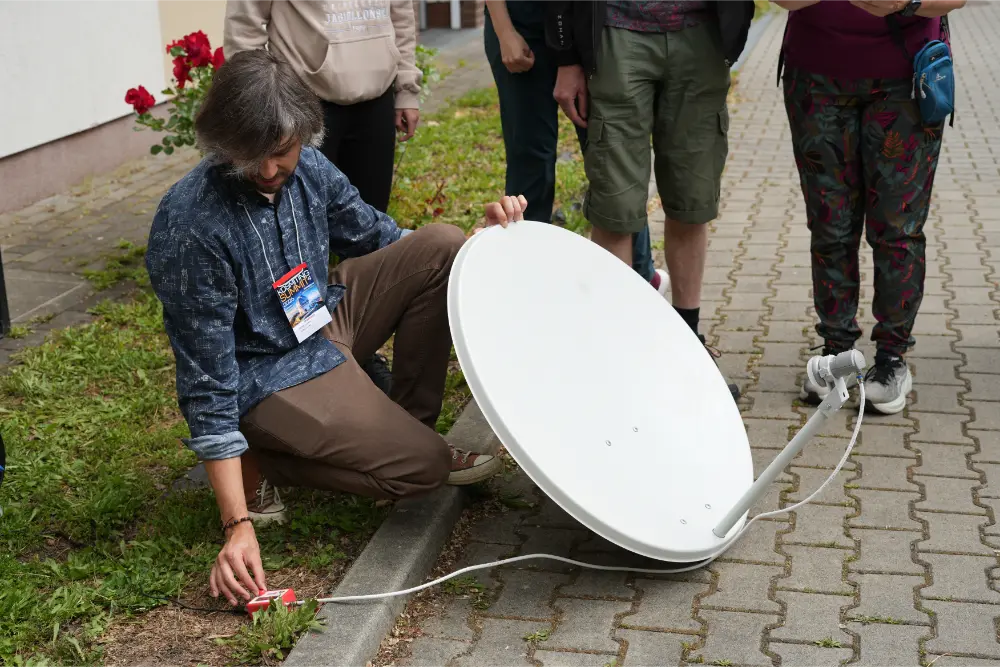
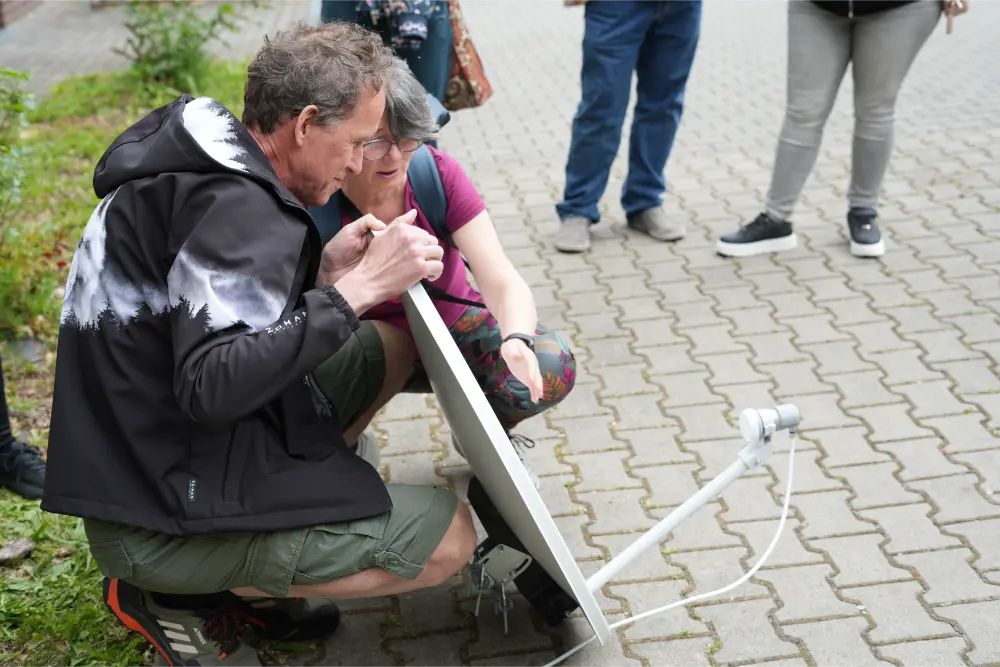
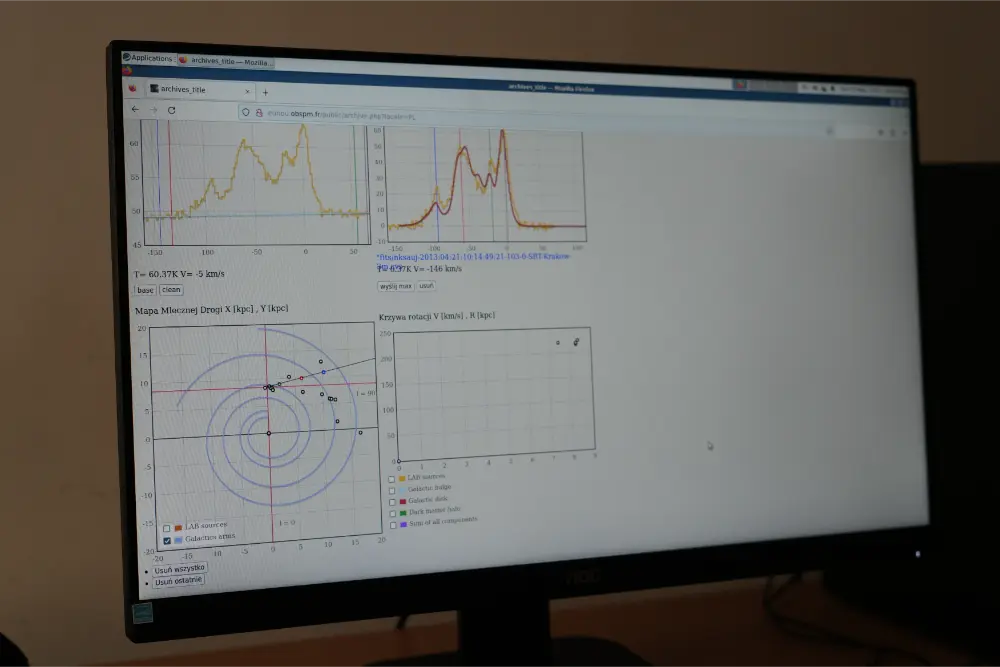
The value of radio astronomy was proven practically through workshops conducted by the UJ Astronomy Students’ Science Club by answering the question:
how could we learn the shape of our galaxy without the possibility of external observation?
In fact, the participants had the opportunity to personally perform radioastronomical celestial mapping.
The event culminated in Tomasz Kundera’s presentation of archival films popularizing astronomy. The pictures, created at the Jagiellonian University, took partial inspiration from Nicolaus Copernicus.