
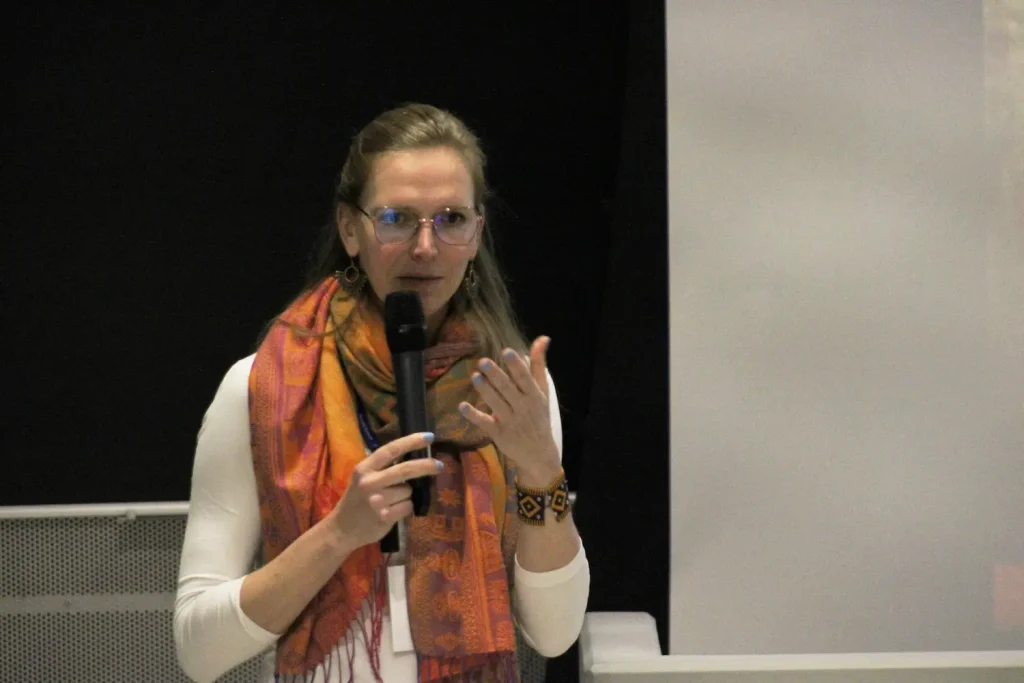
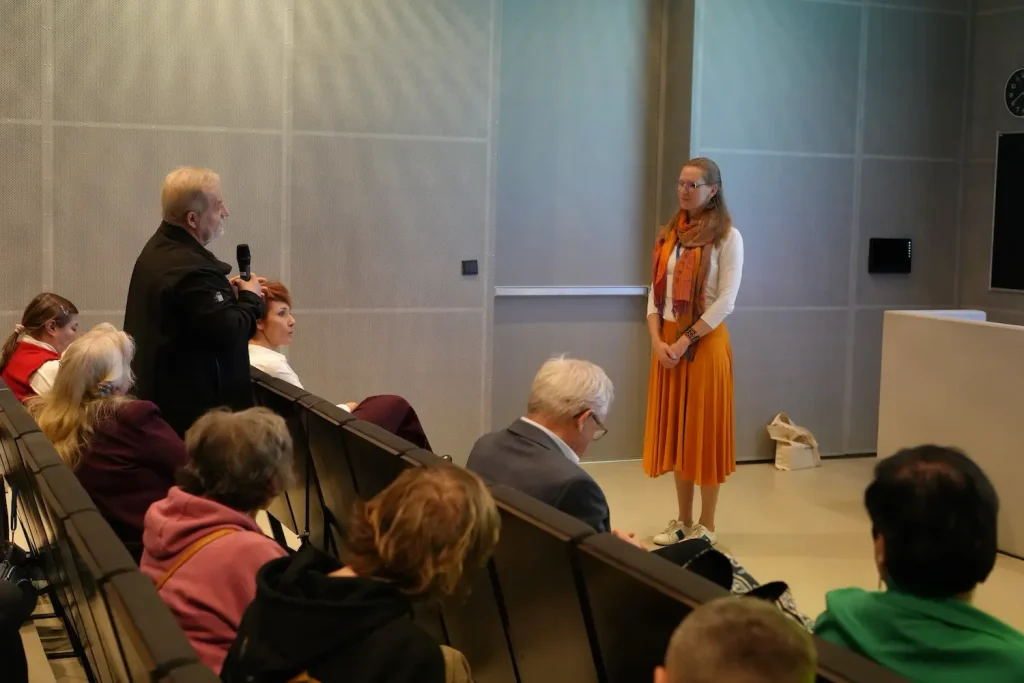
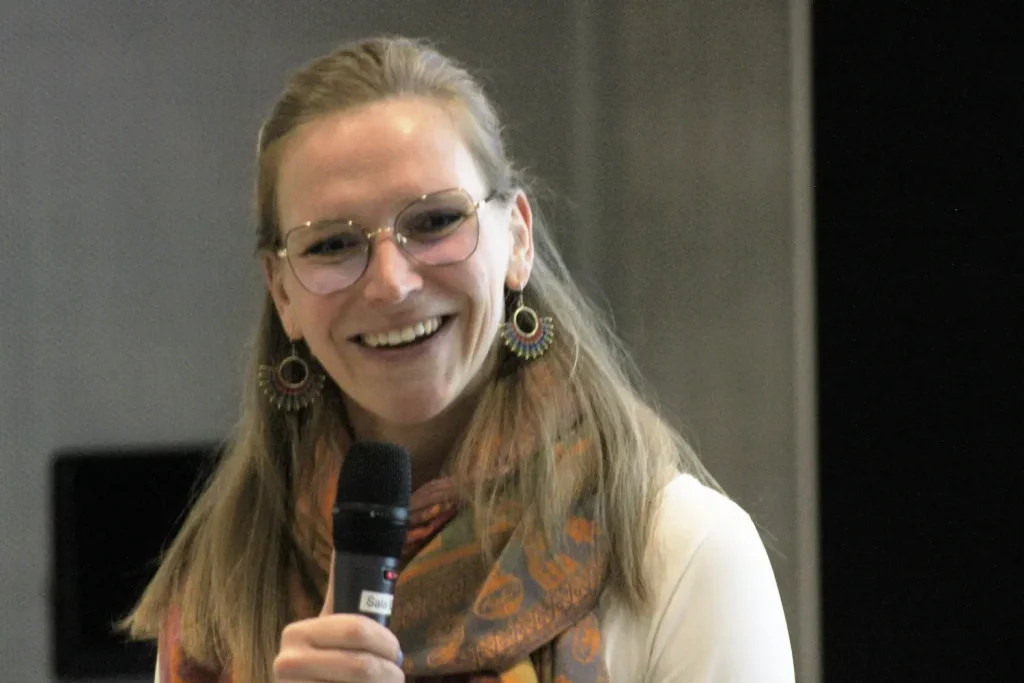
Sunday, March 14th, marked the fourth March edition of the conference organized by the Silesian Planetarium under the motto “Science Is a Woman”, focused on the successes of women in science. The event took place at the Planetarium and in the Hall of Ideas between 2:00 p.m. and 6:00 p.m.
Four exceptional Polish women scientists shared their knowledge, experience, and passion for research across various disciplines. They discussed the manner in which they cocreate contemporary science and inspire new generations.
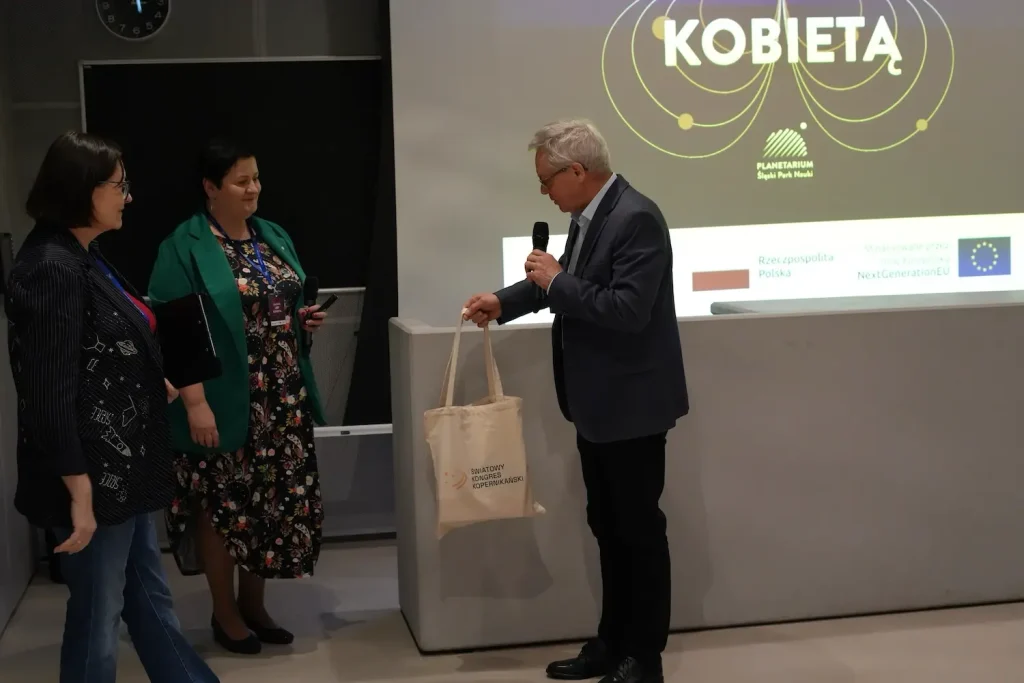
The event, attended also by Nicolaus Copernicus Academy delegates, was weaved into the Olympic weekend organized by the Silesian Science Park. During the conference, on behalf of the Secretary general of the NCA, small gifts were given to the speakers and the moderator, as a show of respect for the women’s efforts in science promotion as well as their own achievements, and to encourage future aficionadas of “the sciences of tomorrow”.
The conference culminated with a musical performance titled “Astronomka”, and took place under the starry sky of the main domed hall of the Planetarium. It familiarized the participants with the lifelong passions for the stars of one of the grandest Polish women astronomers – Wilhelmina Iwanowska.
(The title of the performance is the explicitly feminine counterpart of Polish astronom, and, given its context, could be translated as “Woman Astronomer” or “Astronomess”.)
Leading the conference was Katarzyna Jurkiewicz, science journalist at Radio Katowice, who inaugurated the following lectures by reflecting on the biography of Maria Skłodowska-Curie, saying:
Very recently, I have once again read the biography of Maria Skłodowska-Cure. Imagine my surprise when I finally realized that she was not educated primarily as a chemist. She was a mathematician and a physicist – a woman who, in truth, began a great process of transformation in science, not only in Poland but in the world at large. As we know, these were times when women had little right to expression. For this reason especially, I am happy that, today, we will have the opportunity to meet the women scientists of our region – the exceptional personalities who, despite their youth, have already contributed greatly to Silesian, Polish, and even international science.
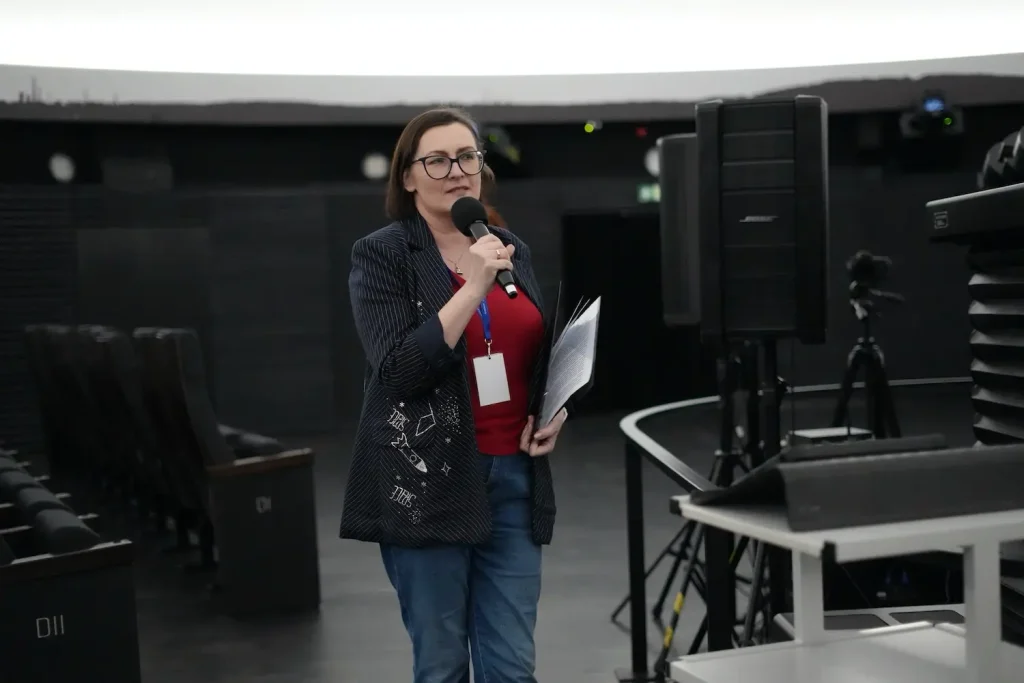
Opening the conference, Planetarium Director Stefan Janta remined the audience of two excellent, though long-unhonoured researchers: Henrietta Leavitt – of much importance to contemporary cosmology – as well as Nobel laureate Maria Goeppert-Mayer, known also for her ties to the city of Katowice. He ended by saying:
There have been quite a few Nobel laureates hailing from our region, but today, we want to appreciate those women who create science here and now.
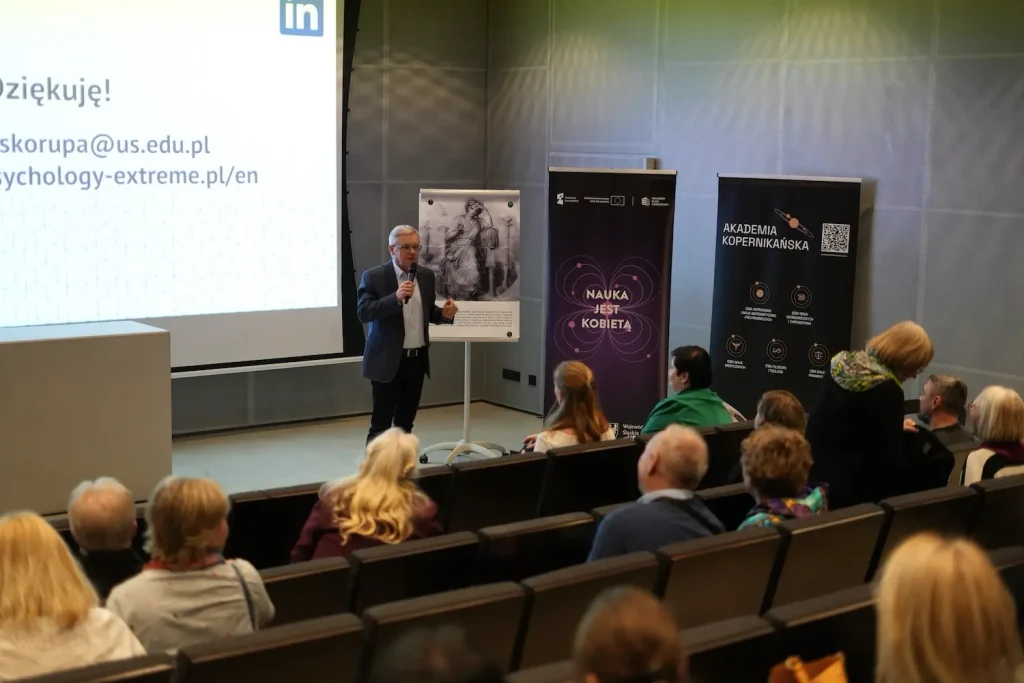
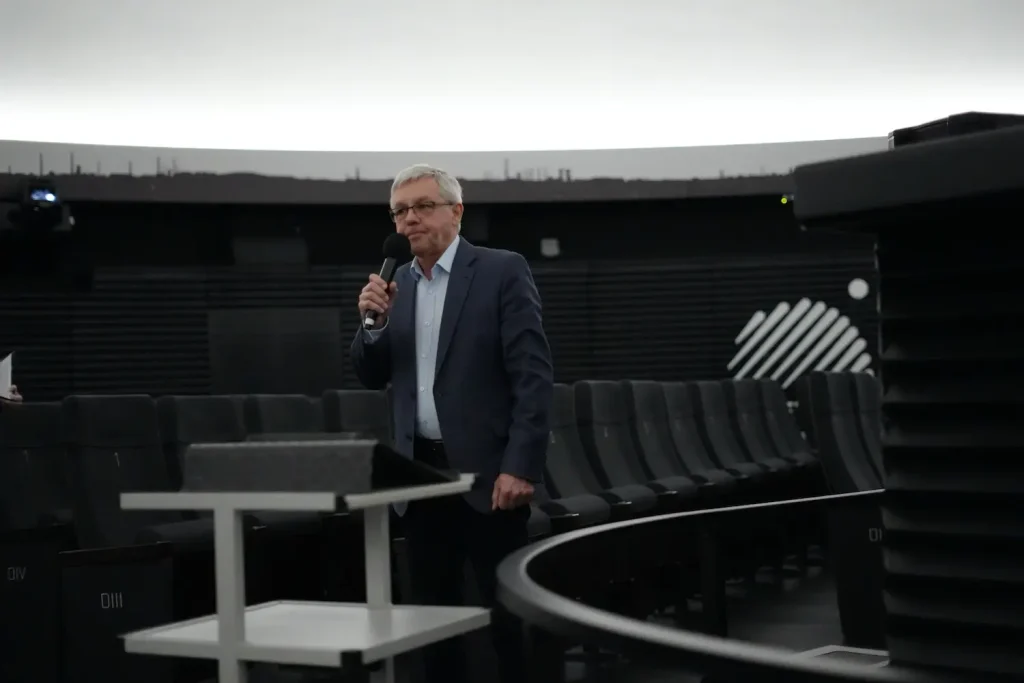
Below, you can find partial synopses of four lectures and of one musical monograph, all of which took place on that Sunday afternoon devoted to women of science. In the coming entries on our site, we will present you with the individual conversations which the Nicolaus Copernicus Academy conducted with the women scientists of Silesian academia. The scientist answered queries about their paths to scientific careers and helped to find an answer to the question: what is the experience of being a woman scientist?
Lecture 1 – “Mysteries of the Small Bodies of the Solar System”
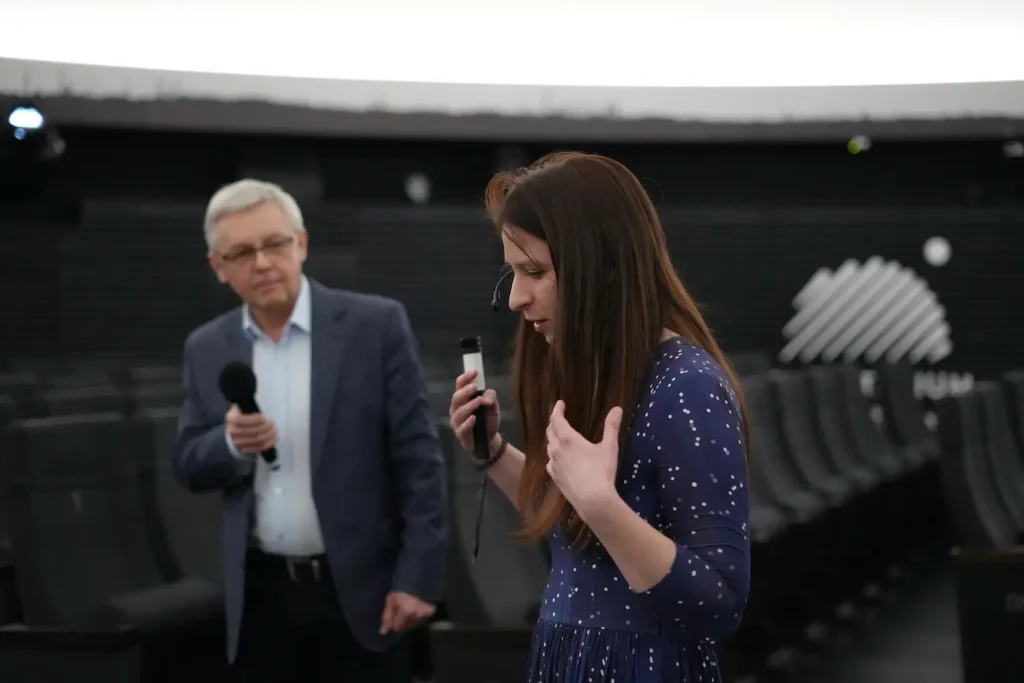
Barbara Handzlik, astronomer, Silesian Planetarium
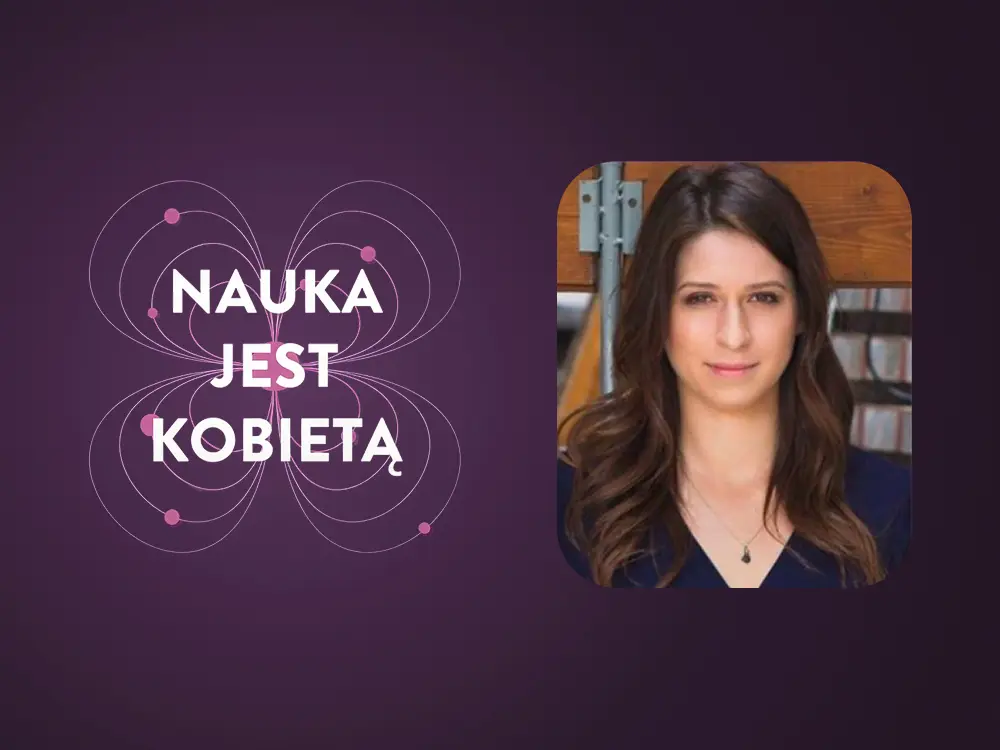
Handzlik studies comets and their rotation using advanced millimetre wave spectroscopy. In her work, she makes use of powerful instruments such as the ALMA interferometer and the APEX telescope, located at an elevation of almost 5 thousand metres above sea level, on the Atacama desert of Chile. She is a doctoral student at the Jagiellonian University. Day to day, she is involved in science popularization at the Silesian Planetarium, where she conducts educational activities, film showings, and workshops for youth.
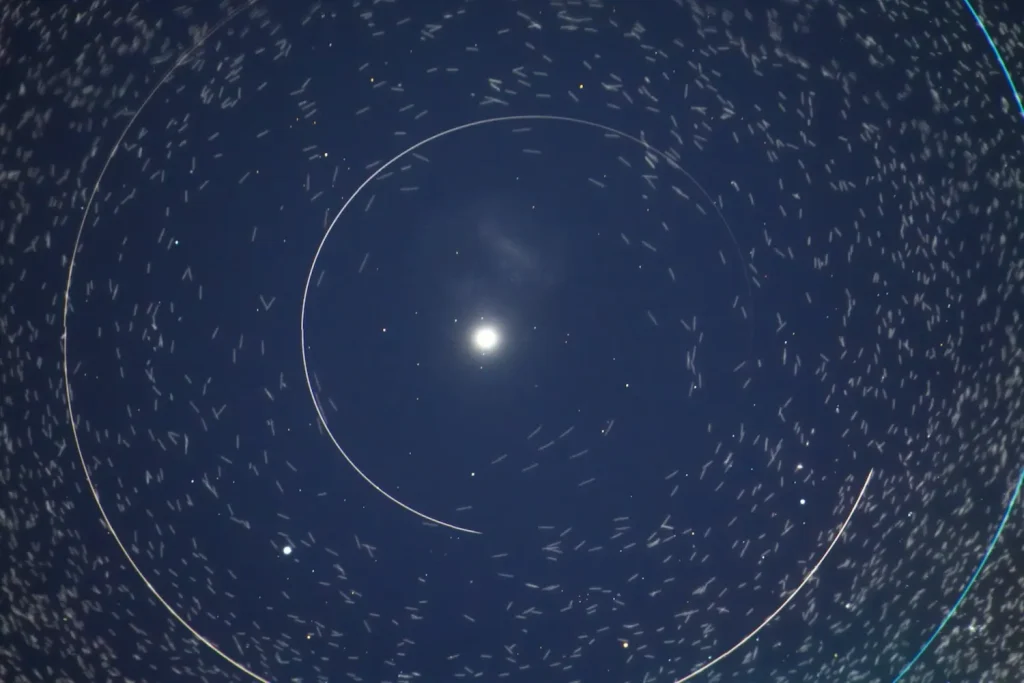
[…] the ALMA interferometer at the Atacama desert in Chile – one of the most powerful instruments in the world, composed of 66 antennae. These are located 5000 metres above sea level, which allows them to almost completely ignore the impact of the atmosphere on the quality of observations. […] In my work, I also make use of the APEX telescope, which was the prototype for the ALMA system. Its antenna is 12 metres in diameter, and the instrument itself is located on a neighbouring summit. Another interesting fact is that on that elevation – of over 5100 metres – even a single jump is a huge effort. Because of the very low oxygen content in the air, one will immediately be out of breath.
Lecture 2 – “Before We Go To Mars – Can Tardigrades Help Us Survive in Outer Space?”
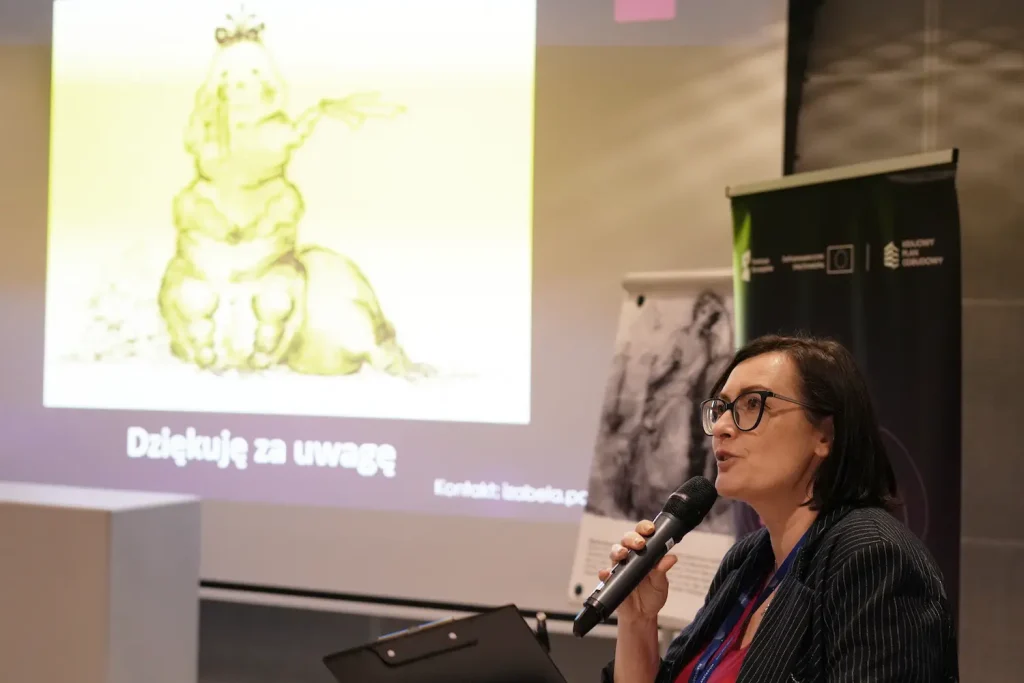
Doctor Izabela Poprawa,
biologist, tarigradologist,
science popularizer,
Institute of Biology, Biotechnology, and Environmental Protection,
Faculty of Natural Sciences of the University of Silesia in Katowice
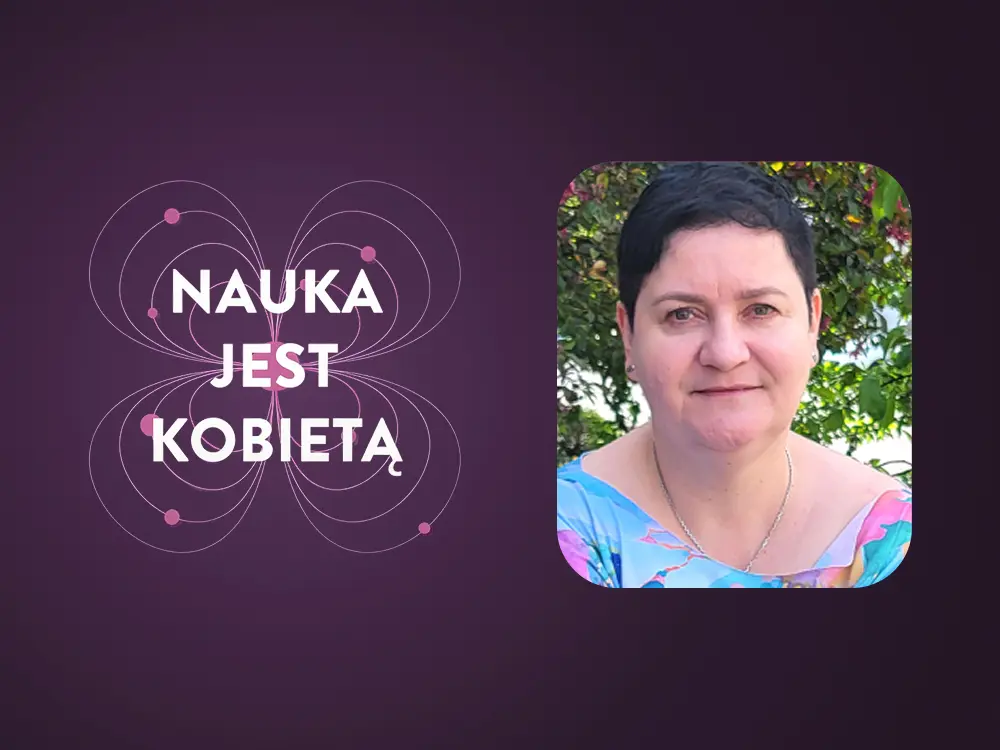
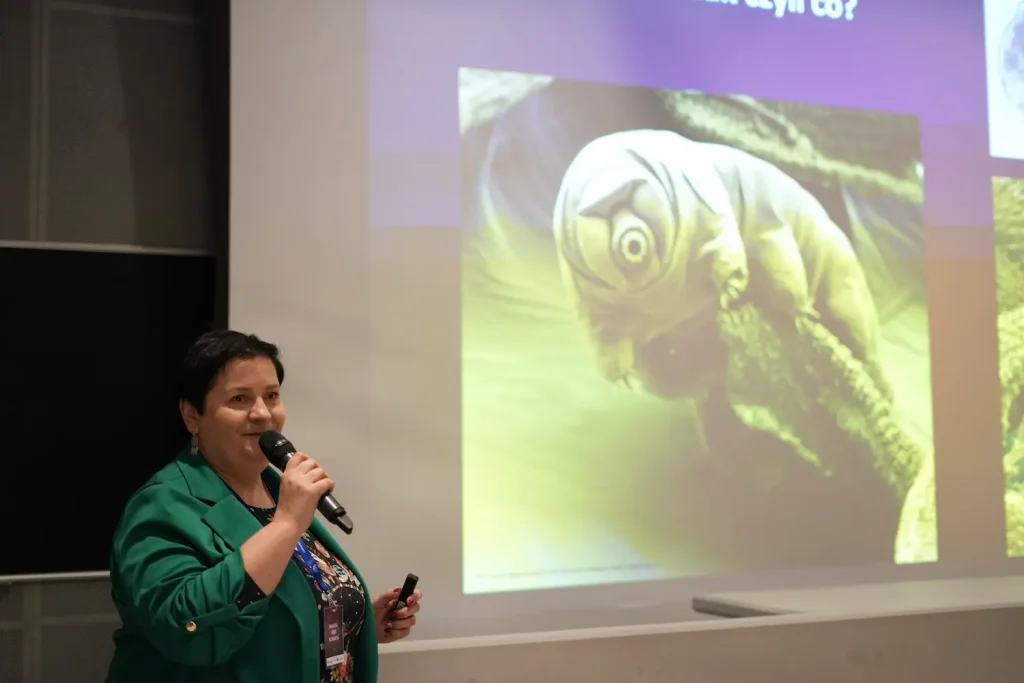
Dr. Poprawa specializes in tardigrade biology and the animals’ abilities to survive in extreme conditions. As team leader, she stresses the importance of supporting young talents. Her research group is composed of doctoral and graduate students, whom she introduces into the far-reaching world of science. She gives them an inimitable opportunity to gain experience working on international projects such as the Ignis mission, all the while valuing their fresh perspectives and abilities so important to the success of the whole team,
Let us consider: what temperatures can a camel endure? On the Sahara, during the daytime, these reach about 50°C or, occasionally, a little more. Meanwhile, tardigrades withstand heat exceeding 150°C.The case is even more impressive when it comes to frigid conditions. A polar bear can tolerate temperatures as low as -70°C, or even -80°C. However, the tardigrade survives frigidity close to absolute zero, that is -272°C, which makes it the ultimate record holder in this category. It is worth remembering that temperature of -273°C causes total cessation of movement of any and all particles. This shows us that, next to tardigrades, when it comes to survivability, we are just “small fry”.
Lecture 3 – “Women of Extremes. On Scientists Working in Extreme Environmental Conditions”
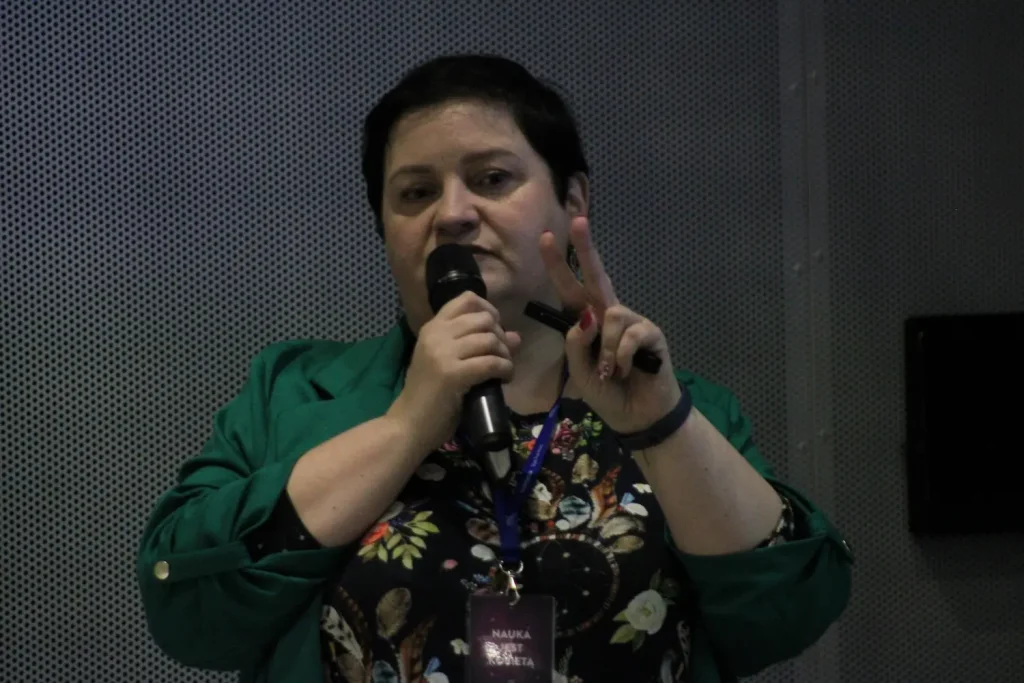
Doctor Agnieszka Skorupa
psychologist,
Institute of Psychology,
University of Silesia
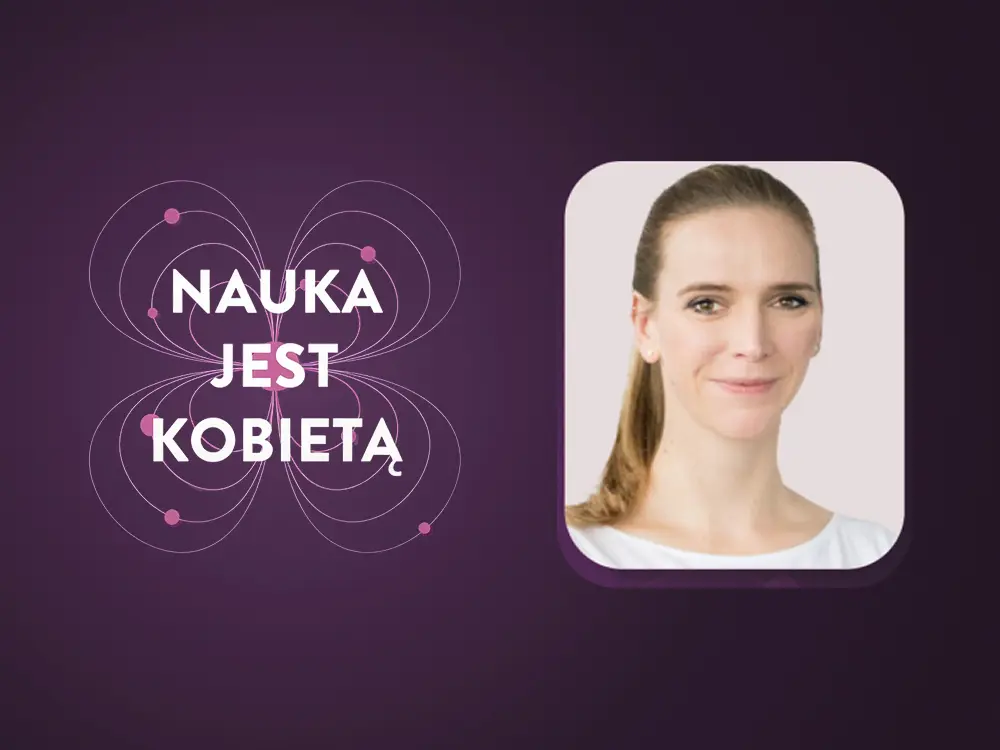
Dr. Skorupa specializes in analysis of human behaviour in extreme situations. She is the manager of the AstroMentalHealth project, which is financed by the European Space Agency (ESA). The research focuses on mental and behavioural health of astronauts on short-term missions at the International Space Station (ISS).
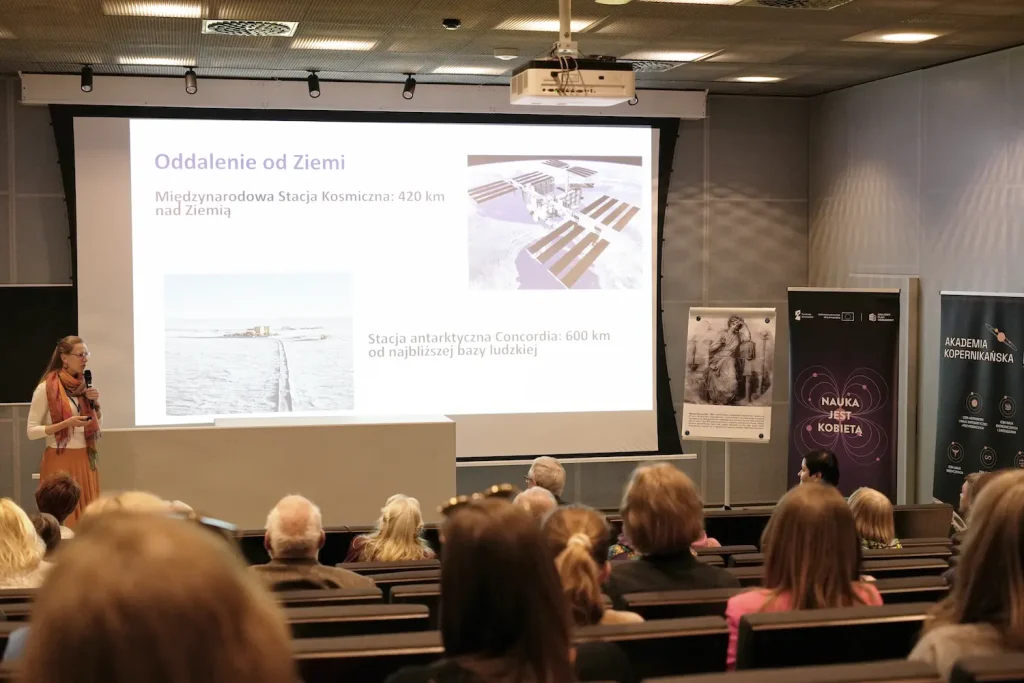
I would like you to visualize that the distance between the International Space Station and Earth is that of 420 kilometres. Meanwhile, the most isolated, extremely secluded polar station is locater 600 kilometres from the closest human settlement. This means that it is more remote than the ISS, and, during the polar night, there are no means of evacuation.
There, temperatures can reach as low as -80°C. People reside there throughout the year, conducting research in an environment in which they need to solve all their medical issues on their own, since outside help in unavailable. This shows us that the cosmos does not have to be the most extreme place of human activity.
Lecture 4 – “Microwar or Microalliance? Environmental Microorganisms in Biotechnology”
Professor Aleksandra Ziembińska-Buczyńska
microbiologist,
science popularizer,
Cathedral of Environmental Biotechnology,
Silesian University of Technology
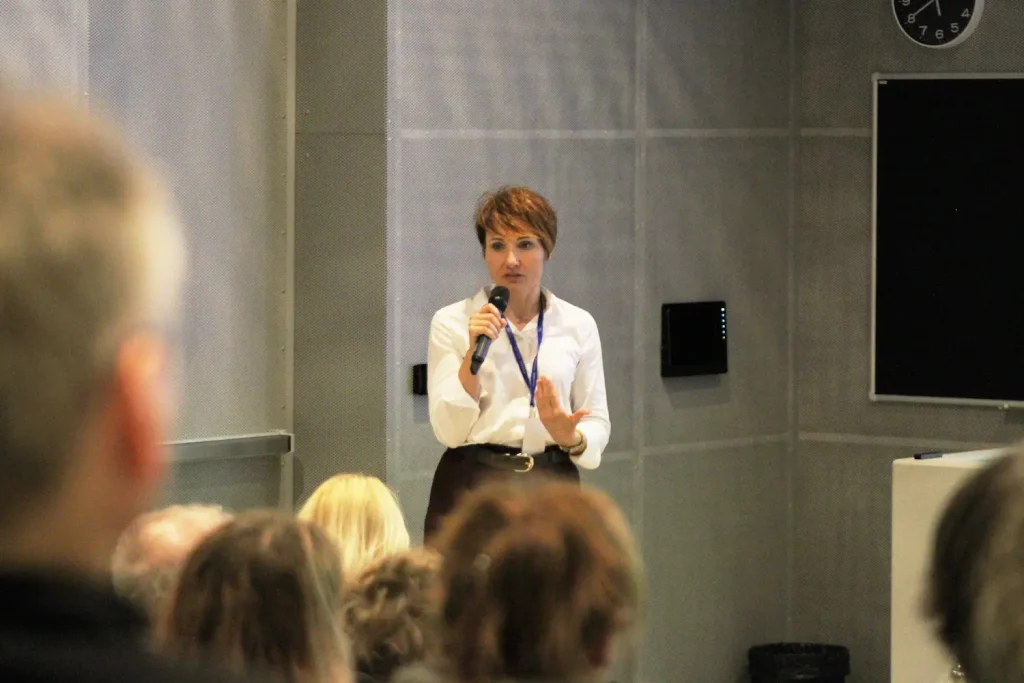
Prof. Ziembińska-Buczyńska works on the usage of microorganisms in environmental engineering. In her scientific work, she puts her trust in young researchers, postgraduate and doctoral students, whom she manages with great passion and personal involvement. During her lecture, she referred to them more than once as her “scientific children”, while underscoring the importance of appreciating their work and potential from the start of their careers. Through shared projects, she gives them the space for growth, thereby proving that a lack of yearslong professional experience does not preclude one from contributing real value to the world of science.
It turns out – as our colleagues here in Chorzów have researched – that sewage residue which end up in fermentation chambers is composed of almost 40% cellulose. Cellulose is found mostly in plants, and is relatively difficult to decompose for bacteria. What do you think: how does it end up in a sewage treatment plant? Because of toilet paper, of course. The fact that a given thing is biodegradable does not mean that the procedure is simple. That is why quickly processing that residue is not easy, and why the process needs the help of appropriate microorganism.
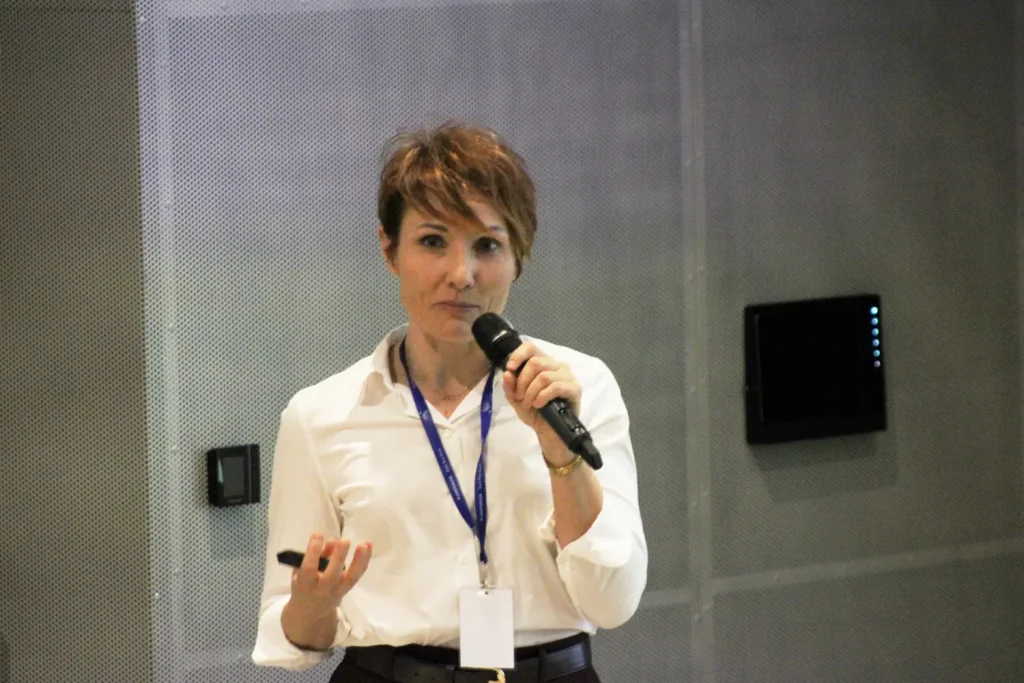
Musical monograph
At 7:00 p.m, the Planetarium hosted the performance of “Atronomka”. This emotion-rich monodrama, based on real writings of Prof. Wilhelmina Iwanowska, acquainted the audience with the Toruń-based astronomer, whose life was filled with passion for the stars, despite limitations and demands which her times placed upon women. The creation of the play was supported by the art stipend of the City of Toruń.
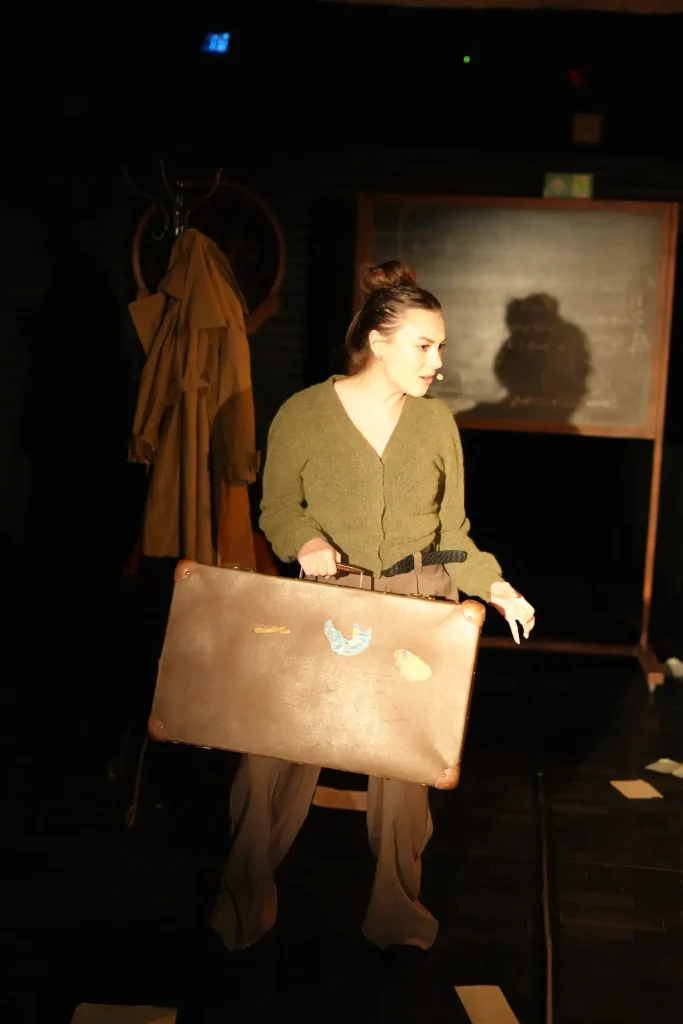
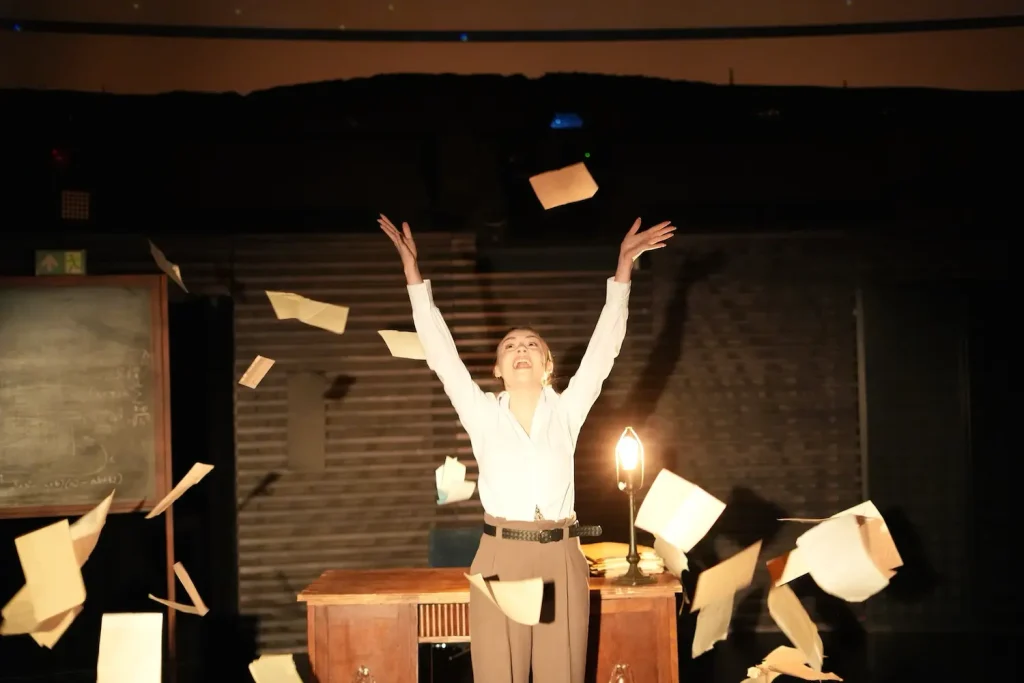
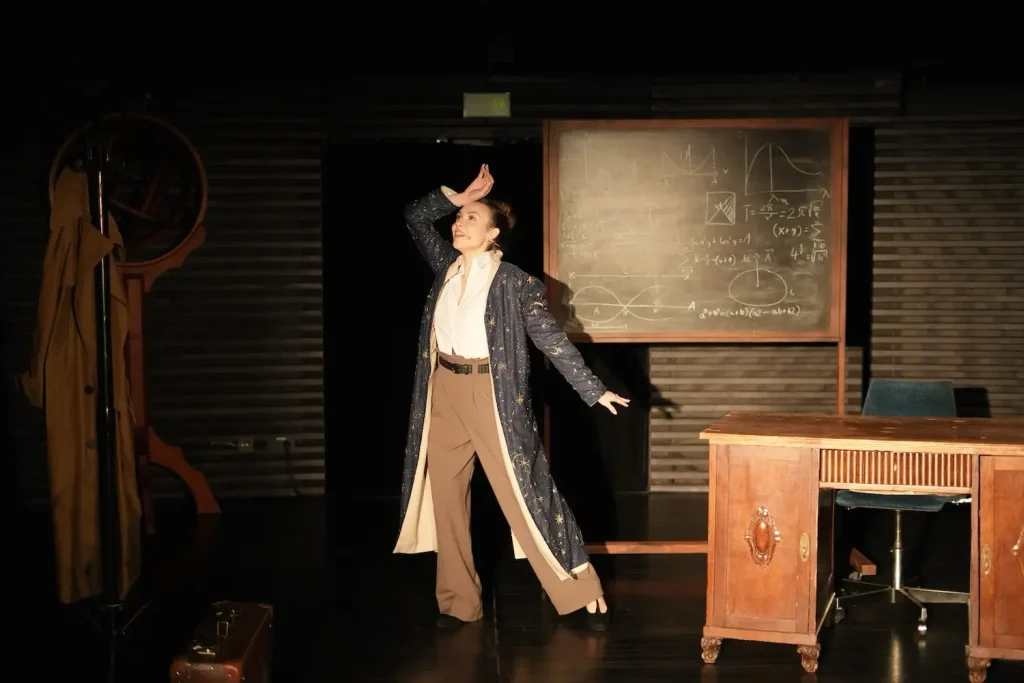
THE CREATIVE TEAM BEHIND THE PLAY
Created by
Maria Cynk-Mikołajewska
Music by
Magdalena Cynk
Music production and arrangement by
Jan Piotrkowski
Scenography by
Bartłomiej Szubarek
Costumes by
Paulina Skowrońska
Choreography by
Antonina Grupińska
Sound direction by
Mikołaj Grzebieniowski
Visualizations at the Planetarium by
Aleksandra Chrzan
See more
More information on the life of Professor Wilhelmina Iwanowska can be found in the similarly titled documentary film “Atronomka – Wilhelmina Iwanowska”, created by the Polish Astronomical Society with support from the Polish Ministry of National Education, and is also available in English. It premiered on the 22nd of July, 2026, at the Academic Centre of Culture and Art “Od Nowa” in Toruń.