
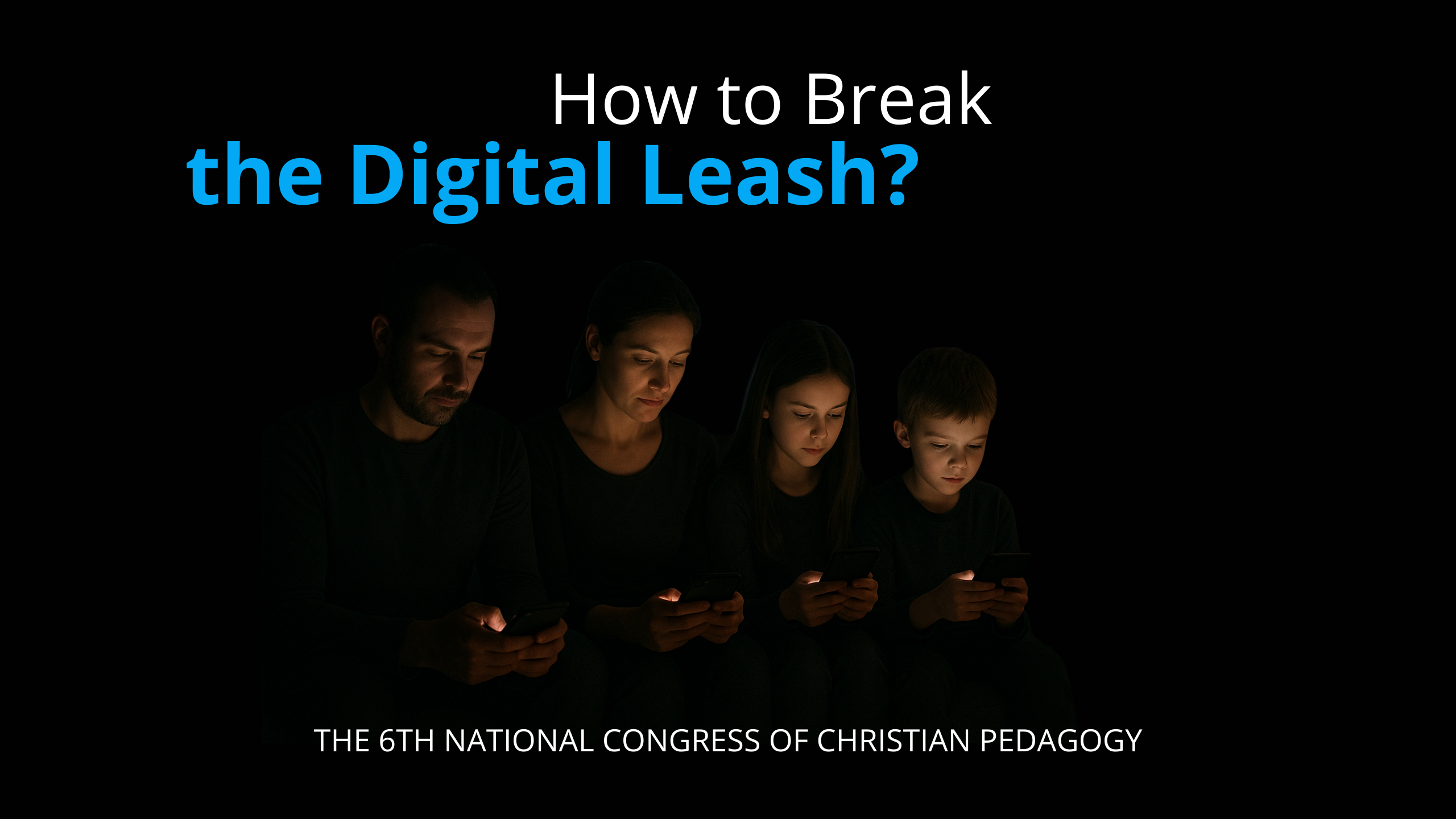
Stress and Crisis Among Young People: How to Talk—and the Impact of Digital Technology on Early Childhood Development
At first glance, talking with a teenager in crisis and examining how early exposure to media affects child development may seem like distant topics. They share a common foundation, however: the relationship between an adult and a child. That relationship determines whether a young person feels safe, understood, and capable of coping with challenges—both in moments of crisis and in everyday encounters with the digital world.
During the workshop, Maciej Kluczyk, a psychologist who has worked with adolescents for many years, presented practical techniques for talking with teenagers in crisis. He emphasized that every conversation about emotions begins with the adult’s attitude. Authenticity, attentiveness, and a willingness to stay emotionally present create a space in which a teenager can talk about fear, tension, or crisis. As he put it, “to light others up, you have to burn yourself first”. An adult who can notice and acknowledge their own emotions becomes a source of stability for a young person. Hence his guiding principle: “the person comes first, the method second”. The first step in providing support is calm, everyday presence—not immediate specialist intervention, which in many cases turns out to be unnecessary.
In her presentation, Dr. Karolina Wiśniewska discussed the wide range of consequences linked to exposing children to digital media too early. Research shows that in the first years of life, excessive screen use affects every area of development:
- Motor development: poor posture, reduced muscle tone, problems with proper pencil grip, and limited natural movement
- Sensory development: eye strain, accommodative spasm that later hinders learning to read and write, auditory overstimulation, and a growing number of children with auditory processing disorders (CAPD)
- Sleep and physiological regulation: disrupted circadian rhythms, problems with growth hormones and immunity, and difficulty calming down
- Cognitive development: reduced concentration, delayed speech development, selective attention, and problems understanding verbal messages
- Social and emotional development: withdrawal, difficulties in relationships, lack of healthy communication models, and greater vulnerability to maladaptive behaviors
Dr. Wiśniewska reminded participants that numerous studies lead to a clear conclusion: children should develop without screens until the age of three, and later use of technology requires conscious adult guidance and presence. The adult’s task is to build a relationship based on attention and closeness—a view echoed by Professor Jagoda Cieszyńska:
“The first text a child should learn to read is the adult’s face.”
The shared message of both presentations is clear: regardless of a child’s age or the type of challenges they face, their most important source of support is a relationship with an attentive and emotionally available adult. Only on this foundation can adults effectively support development, guide upbringing, and introduce technology in ways that do not replace closeness or real social relationships.