The Silesian Planetarium – a centre for science popularization
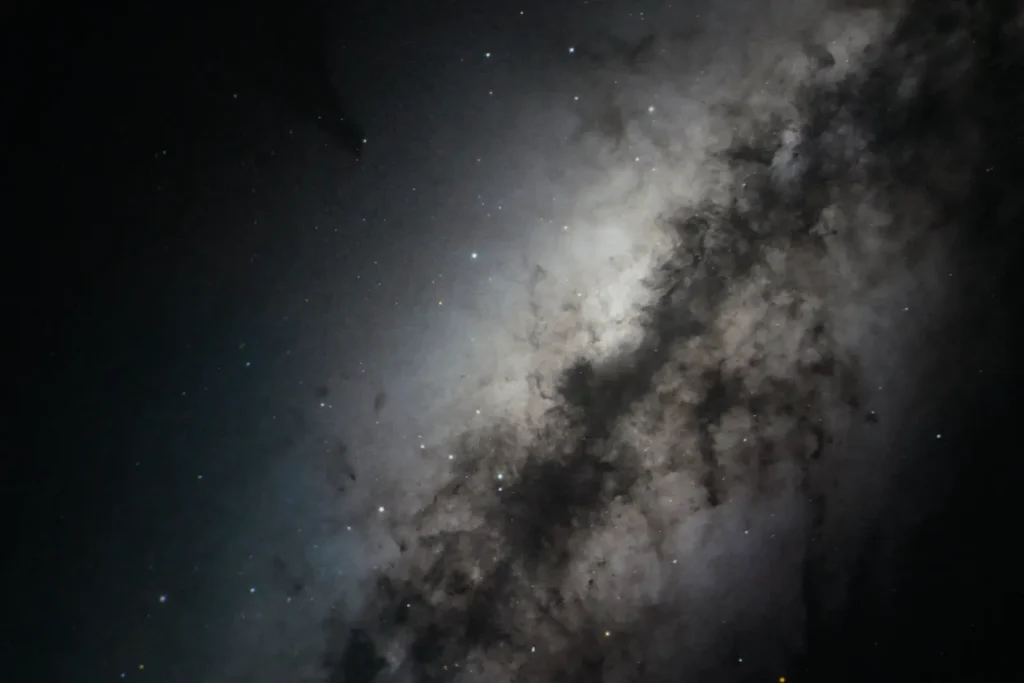
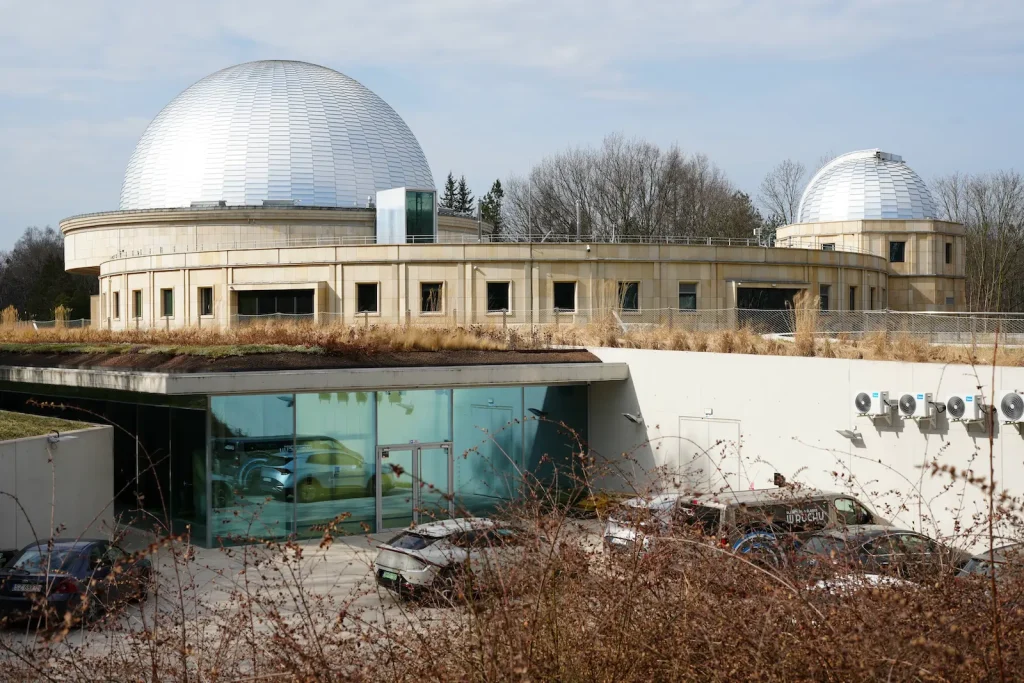
The Silesian Planetarium is now 71 years old. It is Poland’s first institution of its kind, located in the picturesque centre of the Silesian Park – one of the largest recreational parks in Europe. The Planetarium is dedicated to science popularization in three scientific disciplines: seismology, meteorology, and astronomy. The main attraction is the projection room containing a spherical screen which allows for displaying about 100 million stars. The centre also offers a wide range of activities concerned with exploring the Universe.
The 69th Polish Astronomical Olympiad
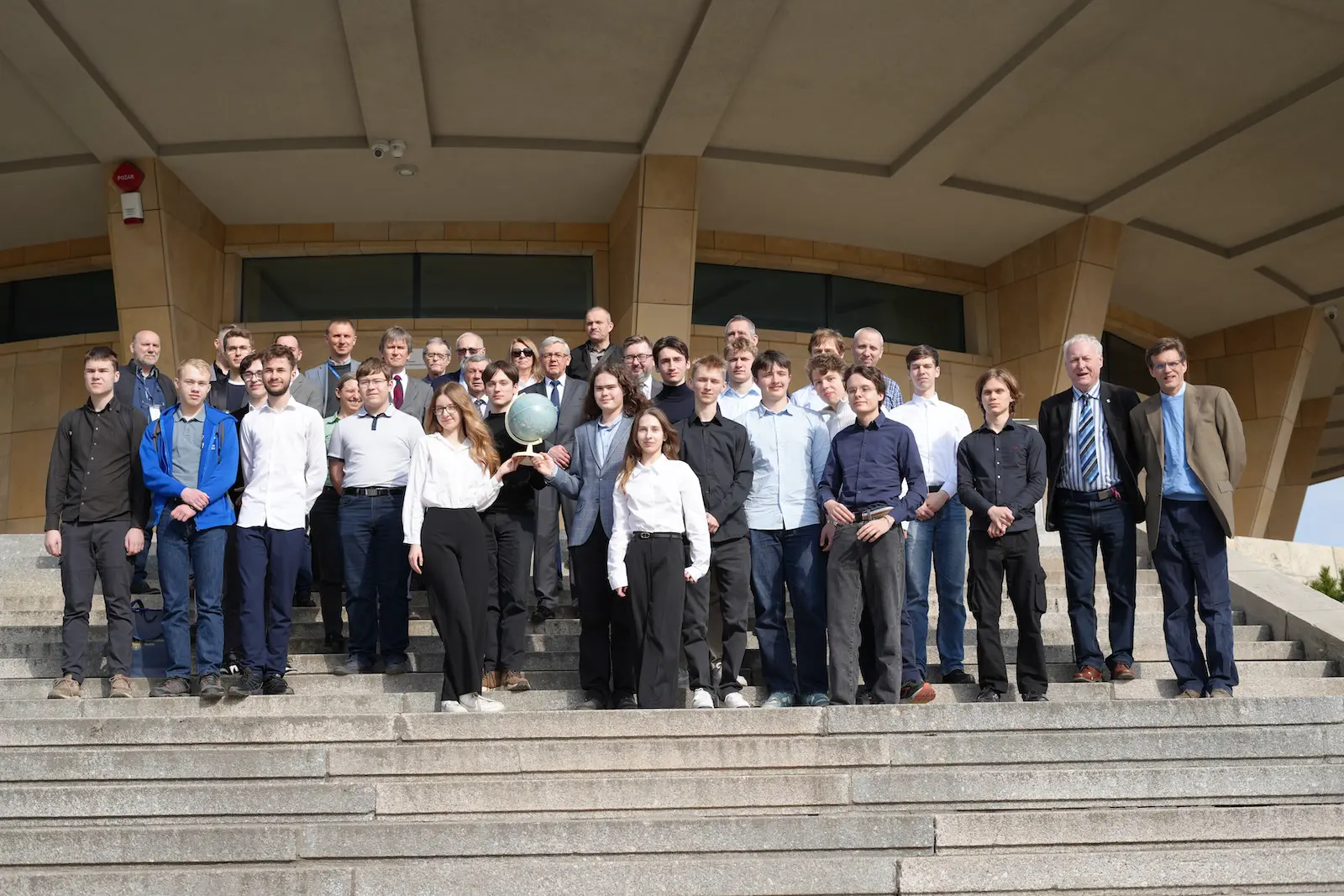
This year, on the 12–14th of March, at the Silesian Planetarium in Chorzów, taking place was the most prestigious contest between young science enthusiasts across Poland – the 69th Polish Astronomical Olympiad. It has been taking place in Poland since 1957 and is one of the oldest such events in the world.
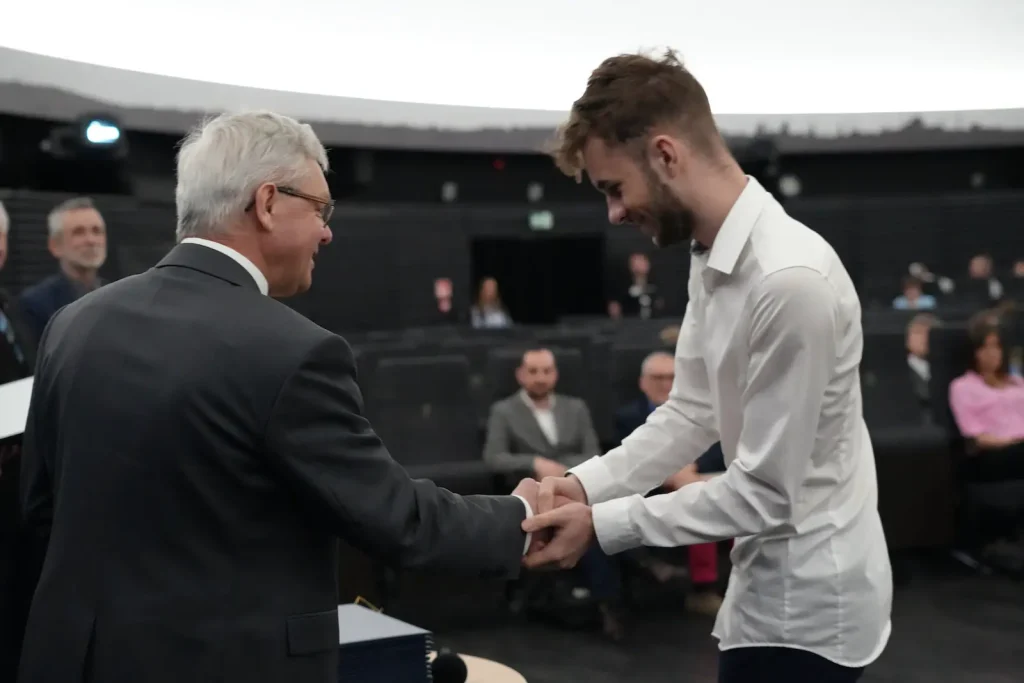
Twenty one contestants have qualified to test their mettle in this year’s final. For the second year in a row, taking the lead was Dawid Chudzik.
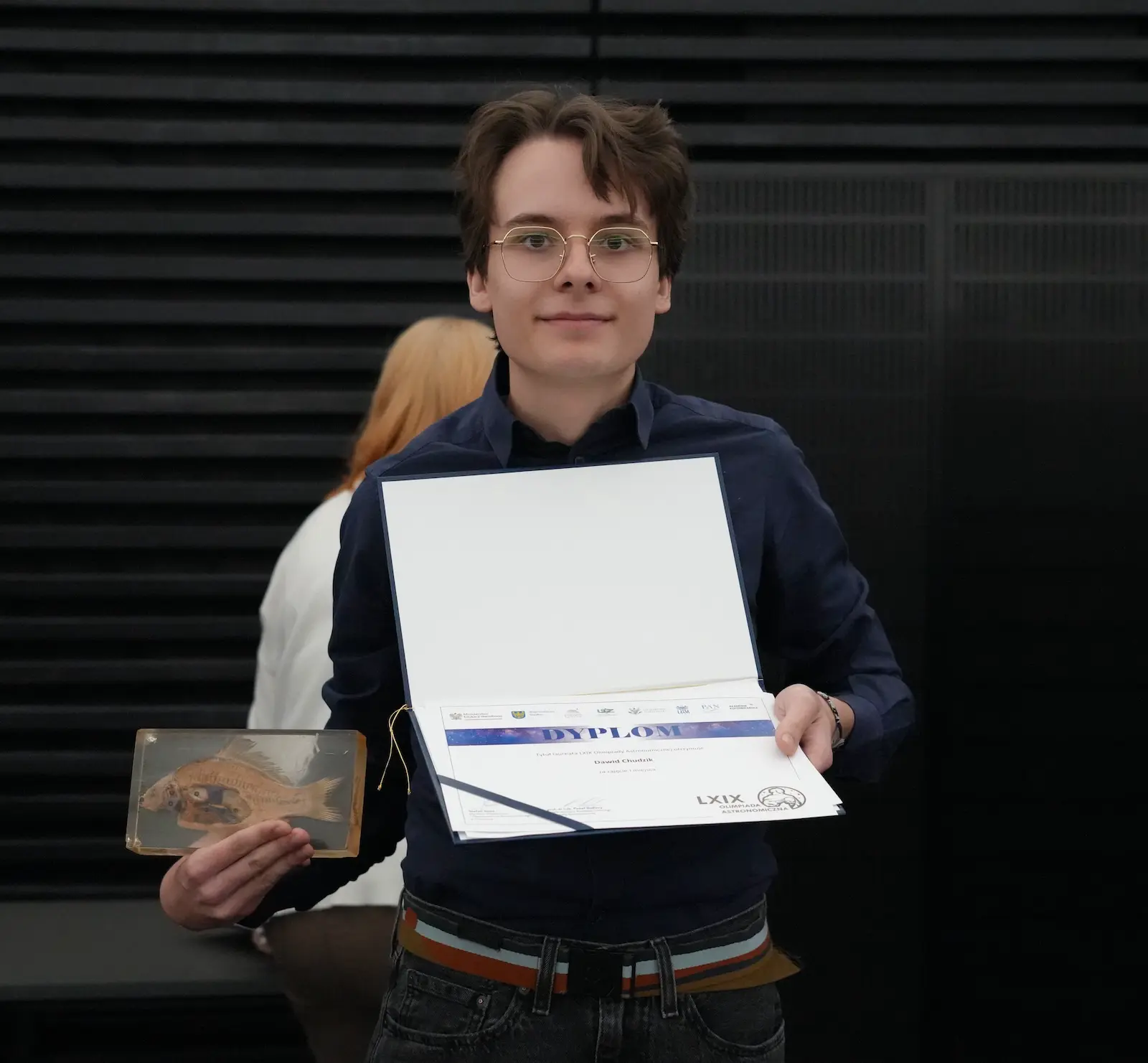
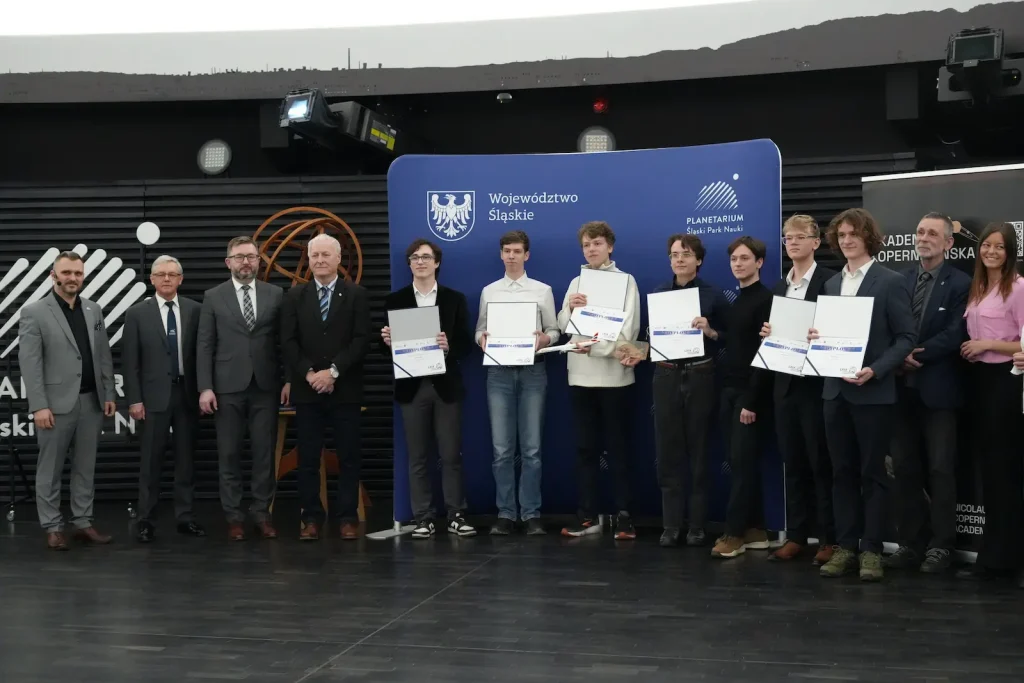
On the list of the first eight laureates of the AO are:
in 1st place – Dawid Chudzik
from the Stanisław Staszic 14th Secondary School in Warsaw,
in 2nd place – Jan Dąbrowski
from the 13th Secondary Shool in Szczecin,
in 3rd place – Artur Ziółkowski
from the Academic Secondary School in Toruń,
in 4th place – Michał Mrzyk
from the 5th Secondary School in Bielsko-Biała,
in 5th place – Oliwier Kwiatkowski
from the Stanisław Staszic 14th Secondary School in Warsaw,
in 6th place – Bartosz Węgrzyn
from the Nicolaus Copernicus 1st Bilingual Secondary School in Krosno,
in 7th place – Jakub Rakoca
from the 2nd Academic Secondary School in Toruń,
in 8th place – Antoni Gazda
from the Nicolaus Copernicus 1st Bilingual Secondary School in Krosno,
Five of the laureates will be representing Poland during the 19th International Olympiad in Astronomy and Astrophysics (IOAA) in Hanoi, Vietnam.
Final gala
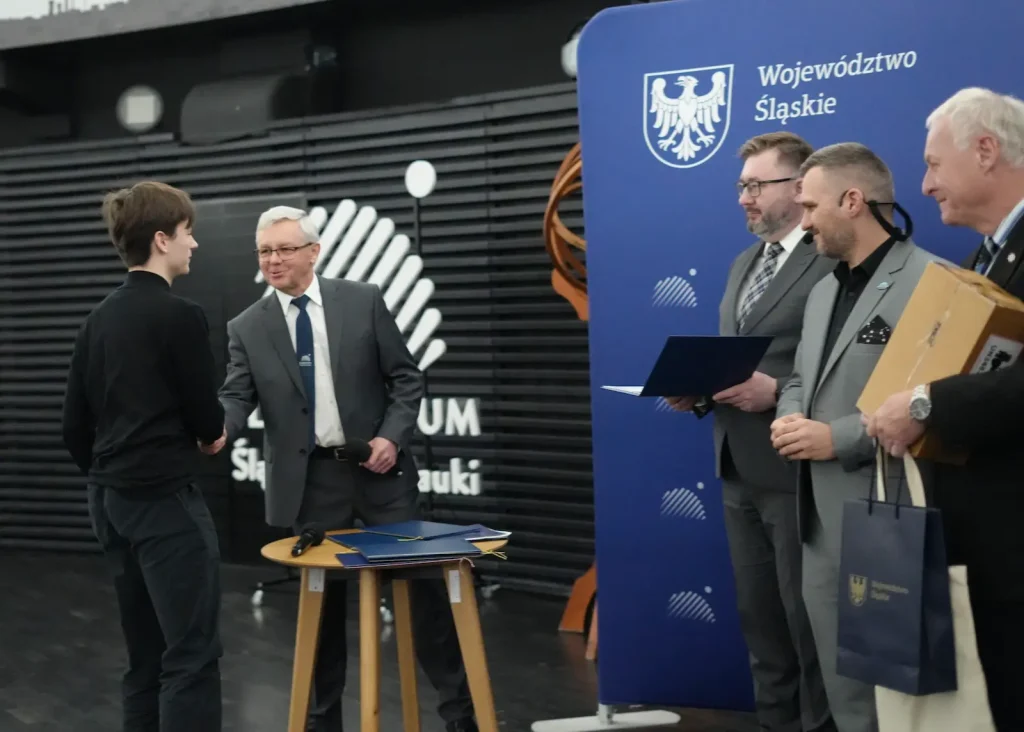
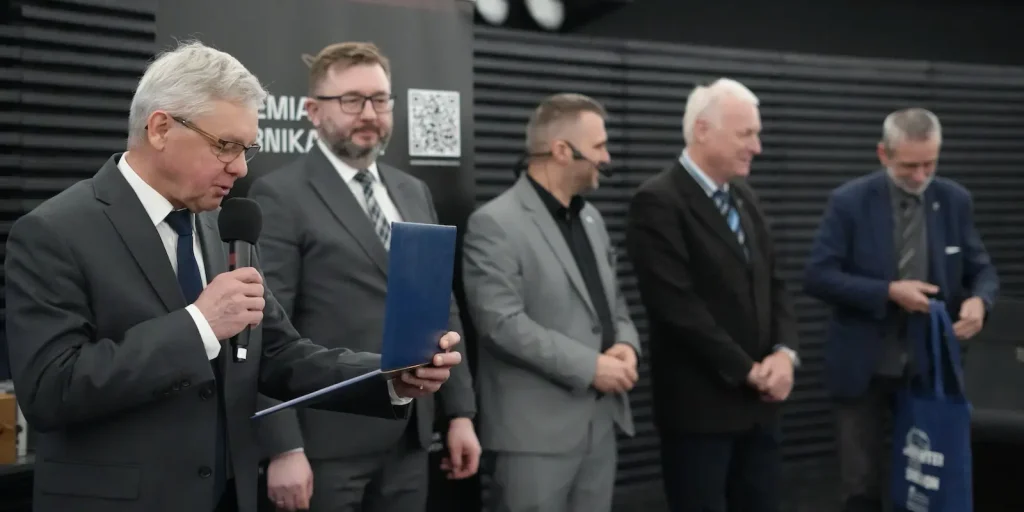
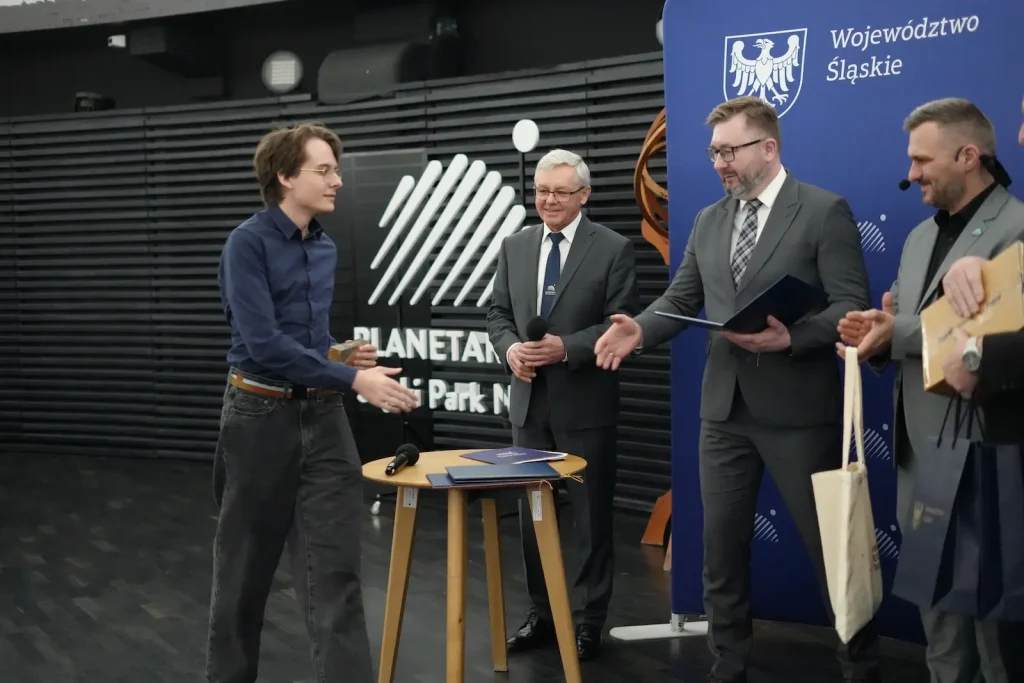
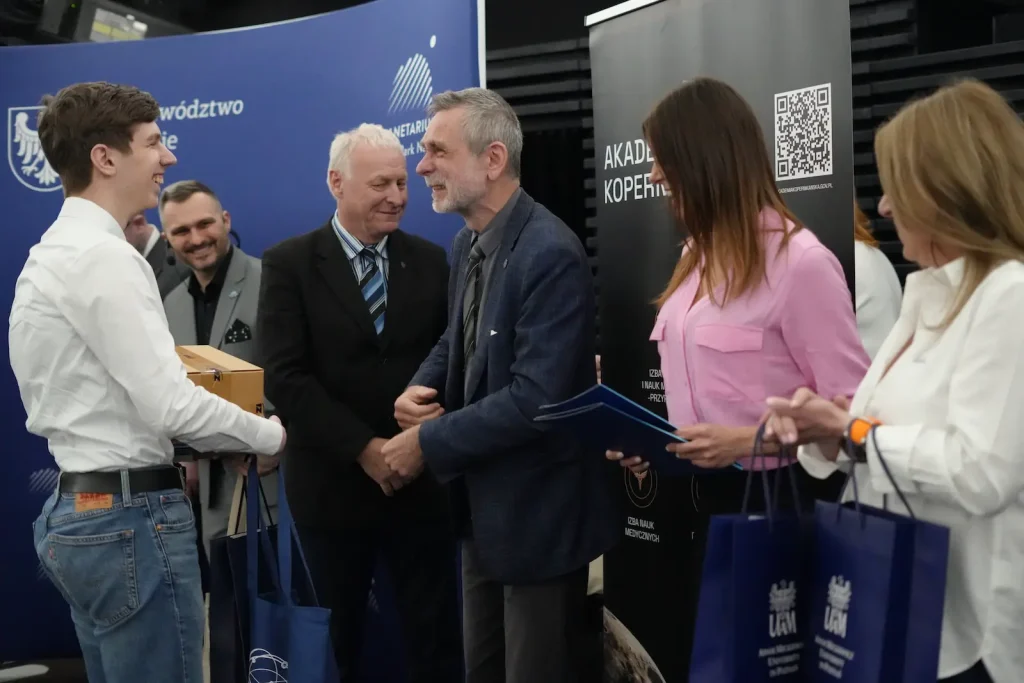
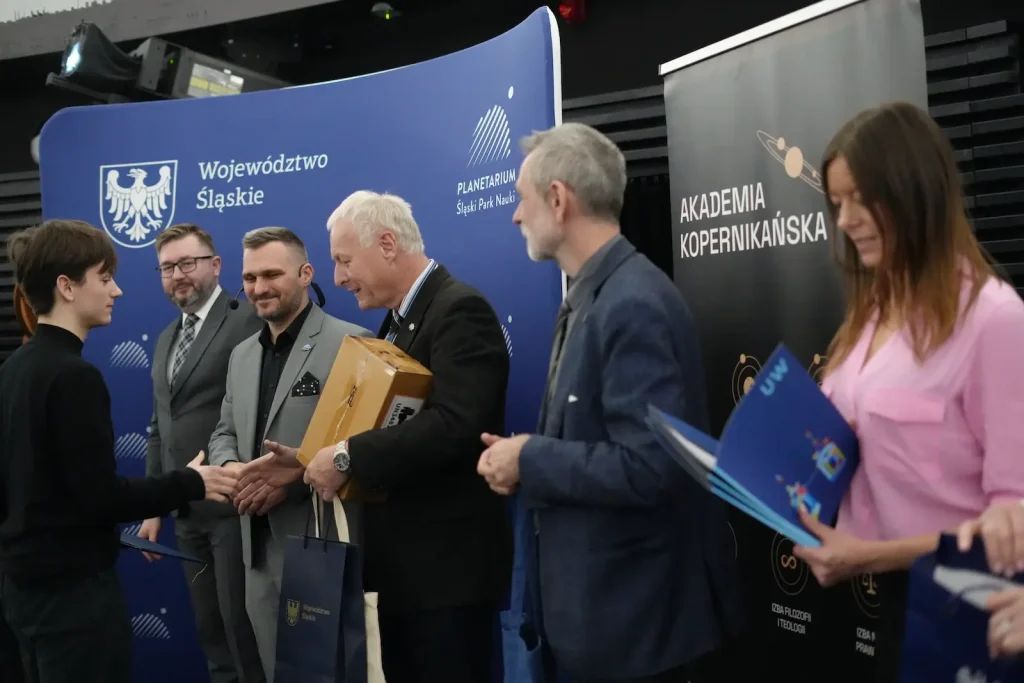
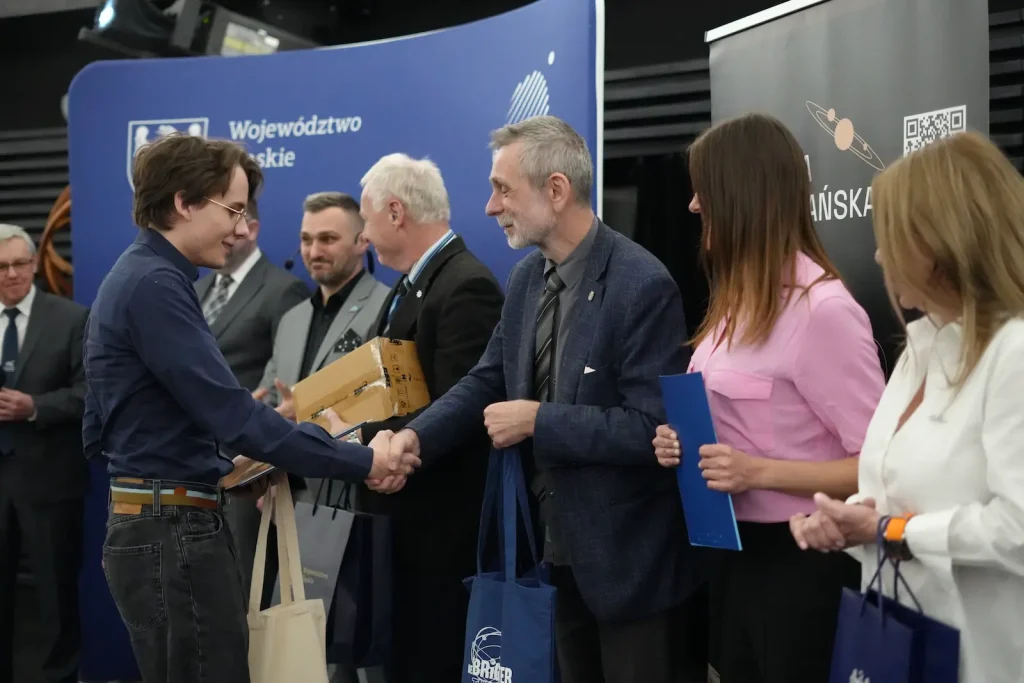
The 15th of March marked the celebrations of the Polish Astronomical Olympiad gala. On that occasion, Minister of National Education Barbara Nowacka sent the following letter:
My every goal in the process of modernizing Polish schooling is focused around a core of practical skill, which is the guiding light of the student, the Guiding Light of the Future. Such skills are those which help in understanding the world, solving problems, and discovering new areas of reality. At the foundation of these abilities are, without doubt, exact and natural sciences, as well as technical and engineering sciences, and among the fields that unite all those is astronomy.
I am therefore especially grateful to the Nicolaus Copernicus Planetarium and Astronomical Observatory in Chorzów for its now almost seven-year involvement in encouraging postprimary students to increase their knowledge of astronomy, while providing a space for developing self-sufficiency, logical thought, and creativity, as well as for noble competition between peers.
[…] Dear laureates and finalists, individuals such as yourselves, exceptional in achievement, passion, and agency, are my particular source of pride as Minister of Education. […] I wish you happiness and pride in your achievements and all manner of prosperity in realizing your plans and intentions.
Partners and prizes
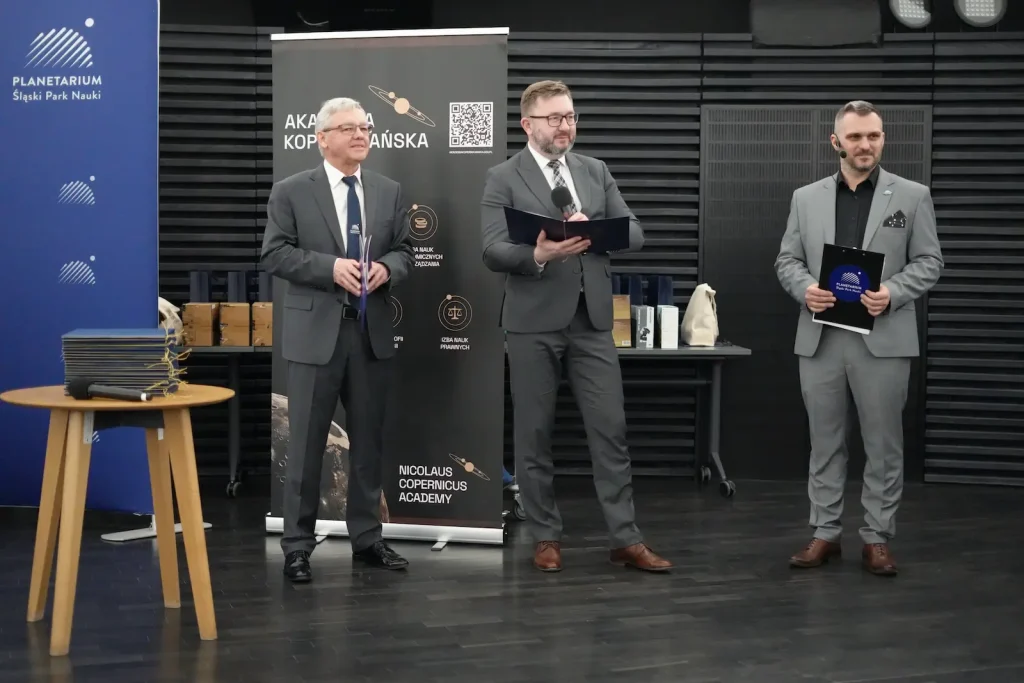
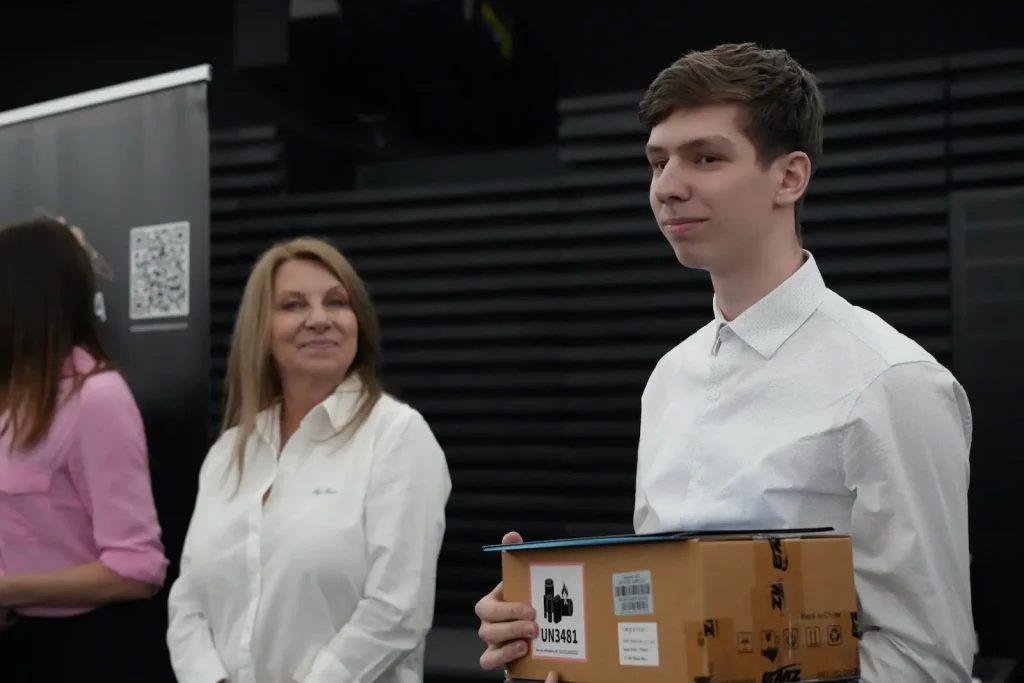
The Nicolaus Copernicus Academy is in regular partnership with the Planetarium. In 2023, it sponsored and coorganized the 16th IOAA in Chorzów, and, in 2024, it cofinanced tickets for the Polish representatives at the IOAA in Brazil. This year, it has been a first-time country-wide partner of the Olympic gala, having sponsored additional prizes for its top three finalists. We congratulate all the finalists on the climactic contest. Now, in March, we further congratulate the two women finalists as we emphasize the importance of women in the Copernican fields.
Gala appearances
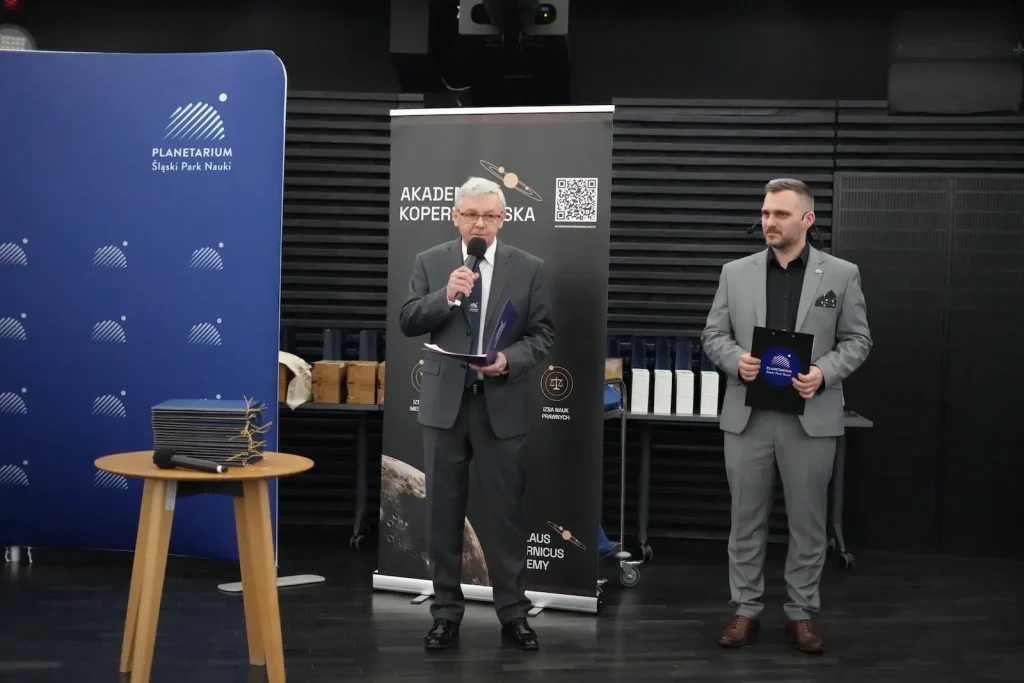
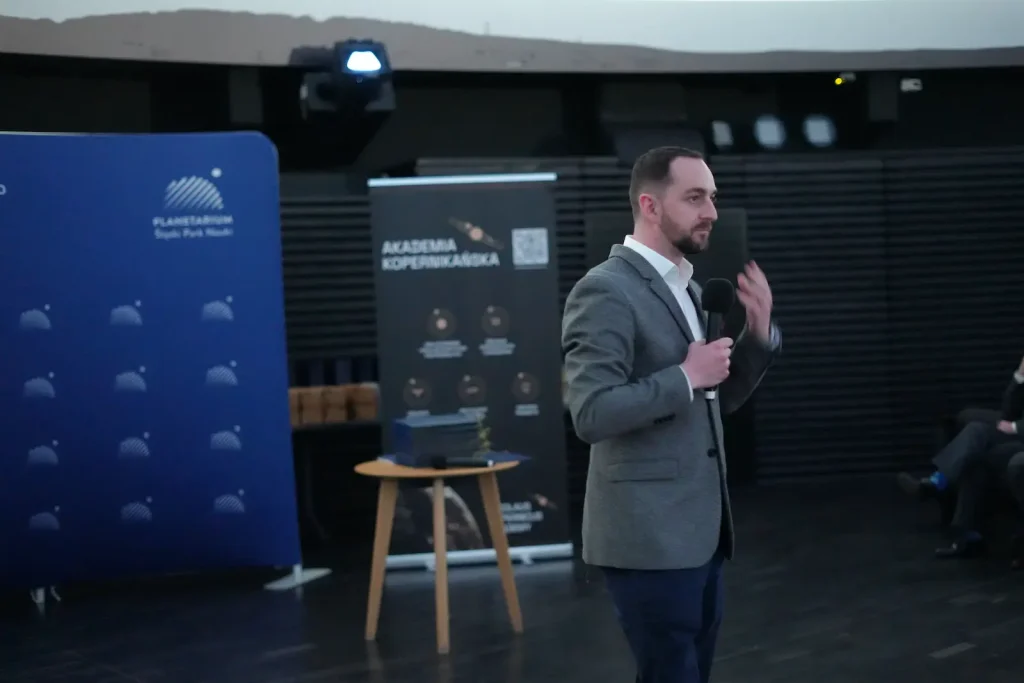
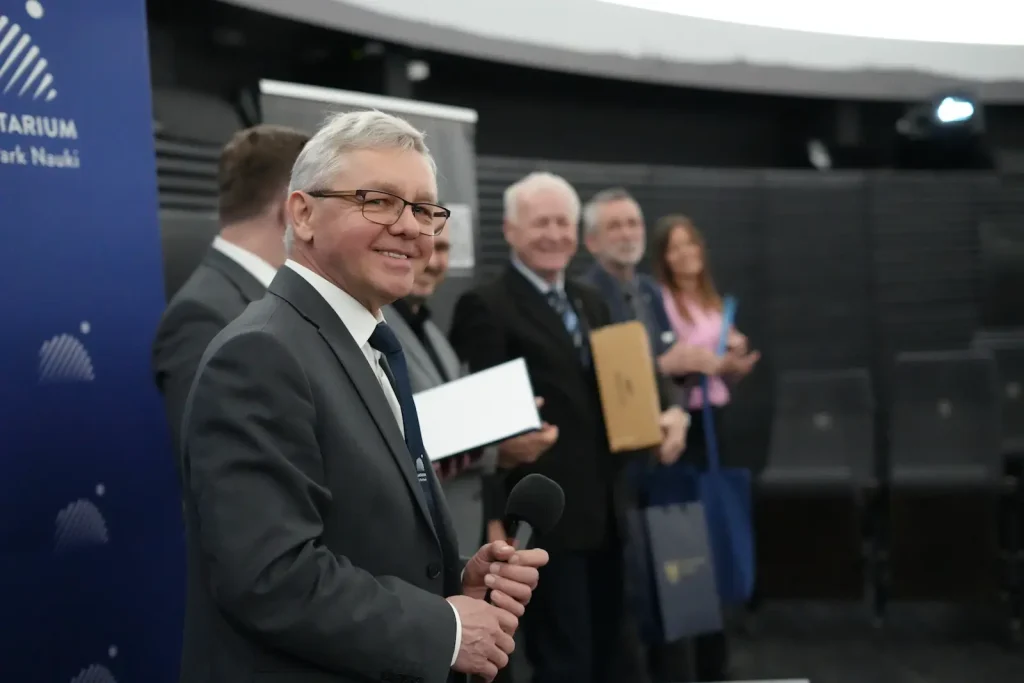
At the opening of the Olympic gala, Head of the Olympic General Committee Prof. Paweł Rudawa of the University of Wrocław beautifully underscored the real value of the efforts made by the Polish team – that is, the entire group of finalists:
[…] The main actors and main characters of today’s meeting are these young adepts of astronomy, who enter and extraordinary path. This path will lead them to the edges of the universe, and, whether they took first or twentieth place, I can assure them that many of us, professional astronomers, who once took part in this Olympiad, were not at all the most laurelled. But now that their publications are widely cited across world literature, they manage grand observatories and great research projects. And so, do treat our Olympiad as a springboard which, by giving you an exceptional impulse, will surely generate for you a wonderful future career. And, even if you do not become astronomers, in your hearts will remain the sense of wonder at this beautiful universe, which, itself, will be your guiding light on the meandering course of life.
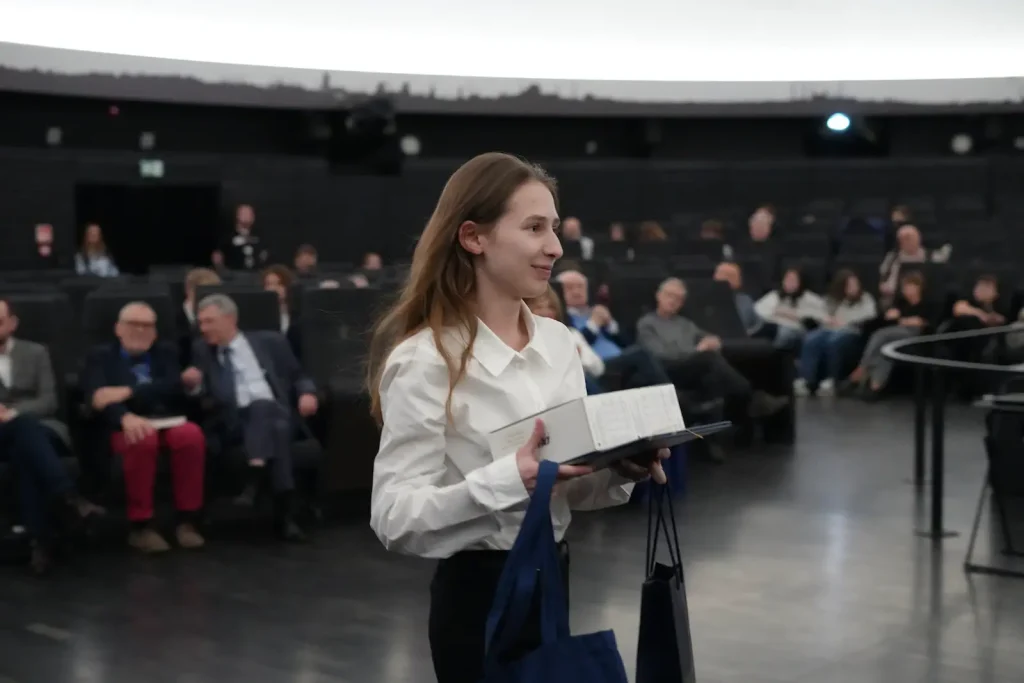
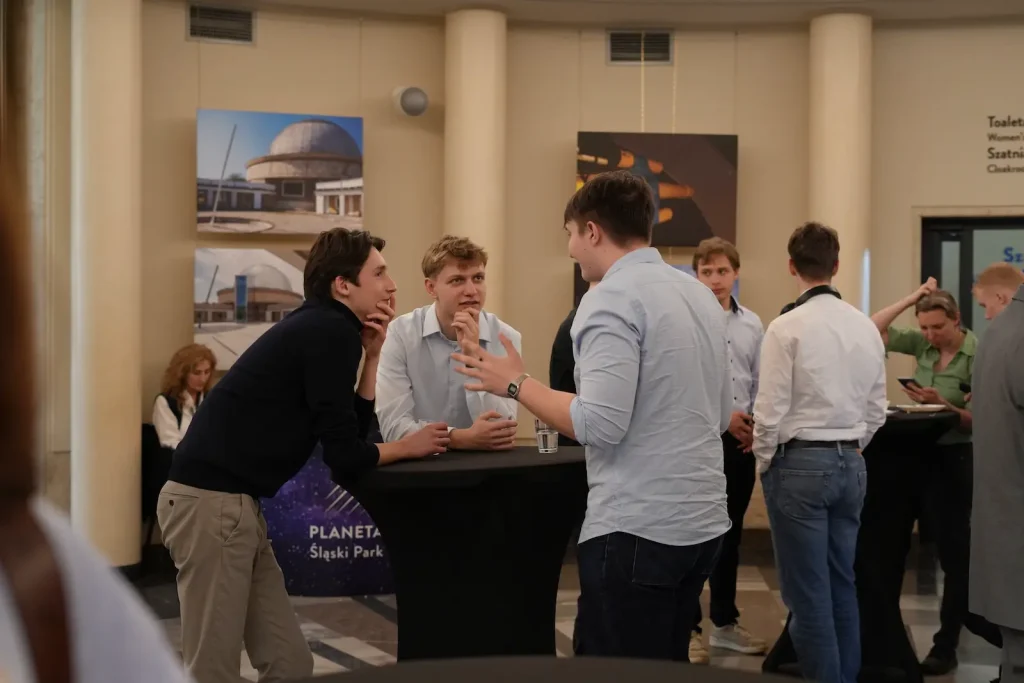
Accompanying the gala’s award ceremony was a popular-science programme available to all guests.
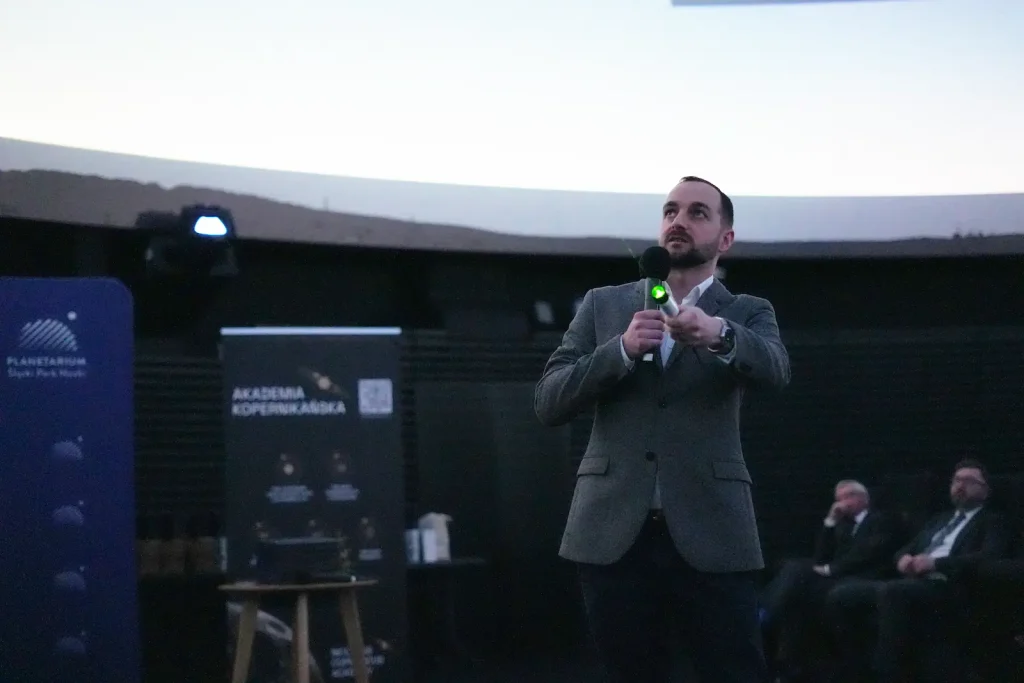
A guest lecture by Dr. Przemysław Mróz, vicepresident of the General Committee of the Olympiad on Astronomy and its acclaimed laureate, took place as well.
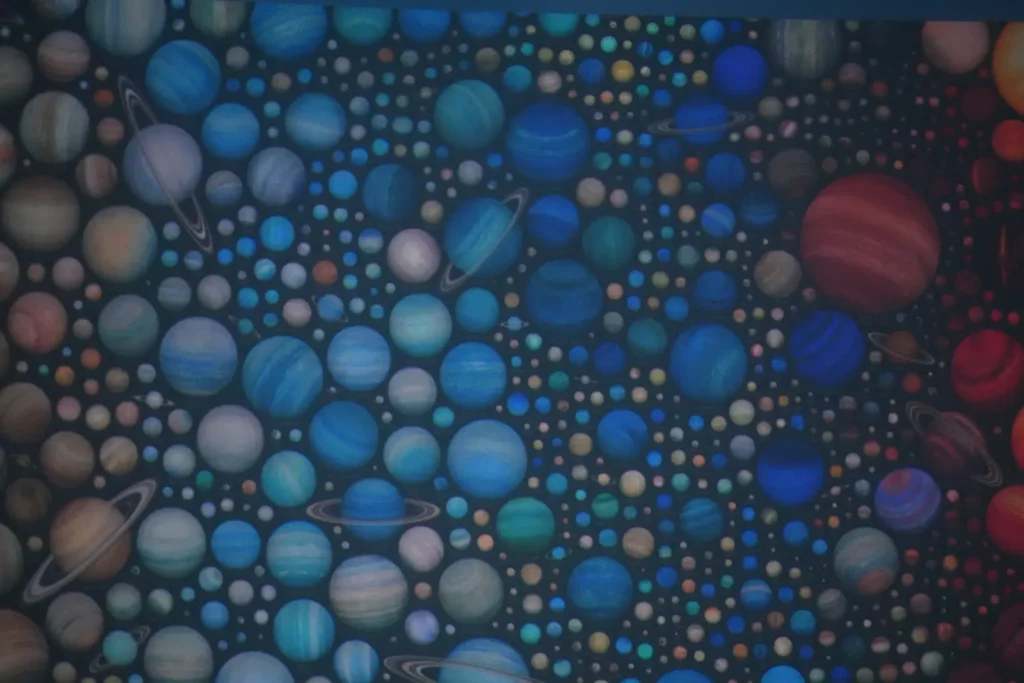
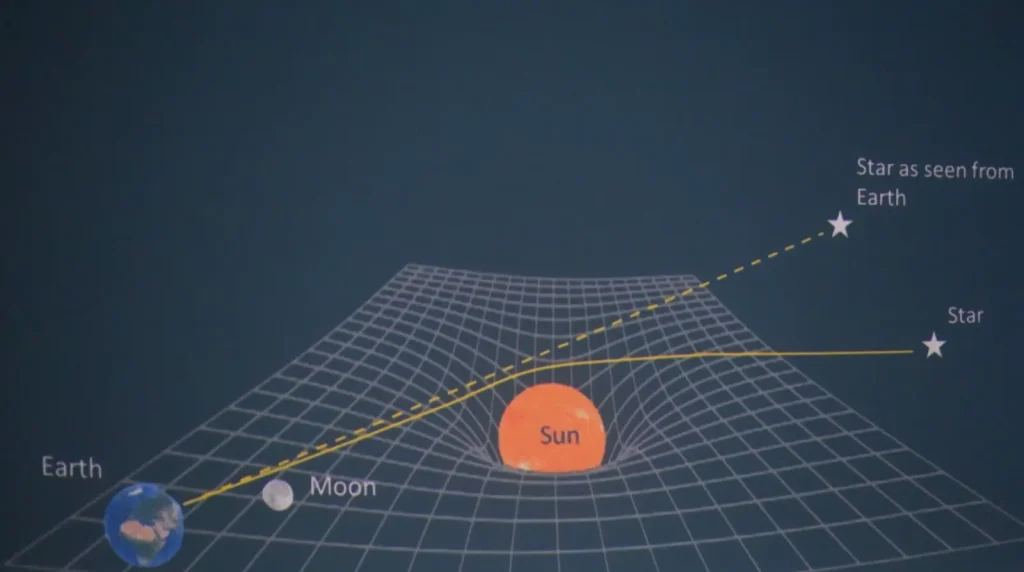
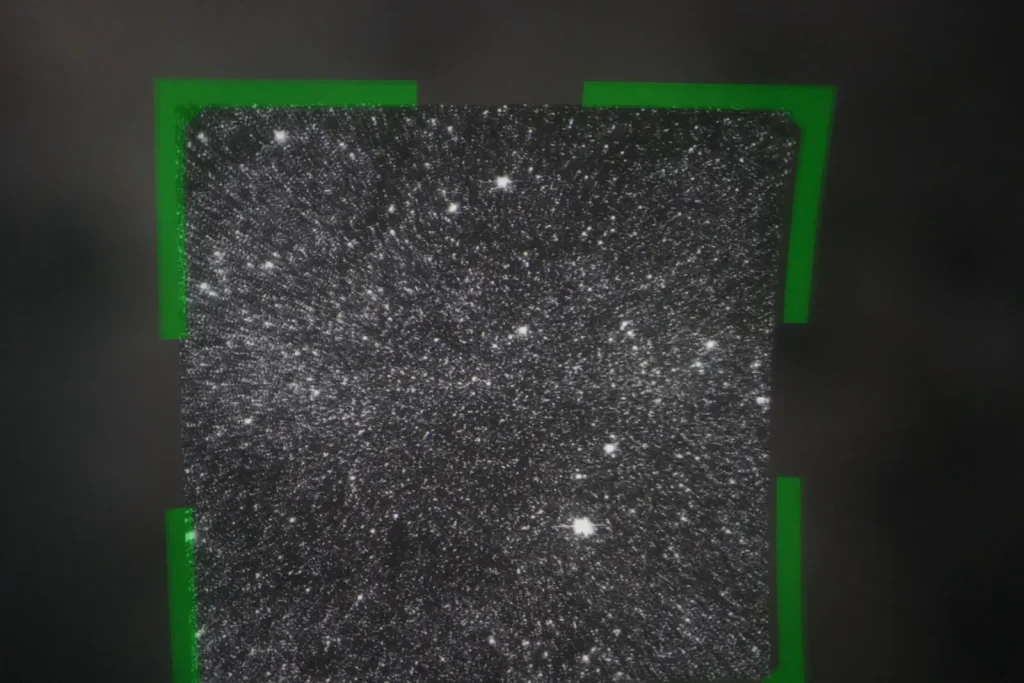
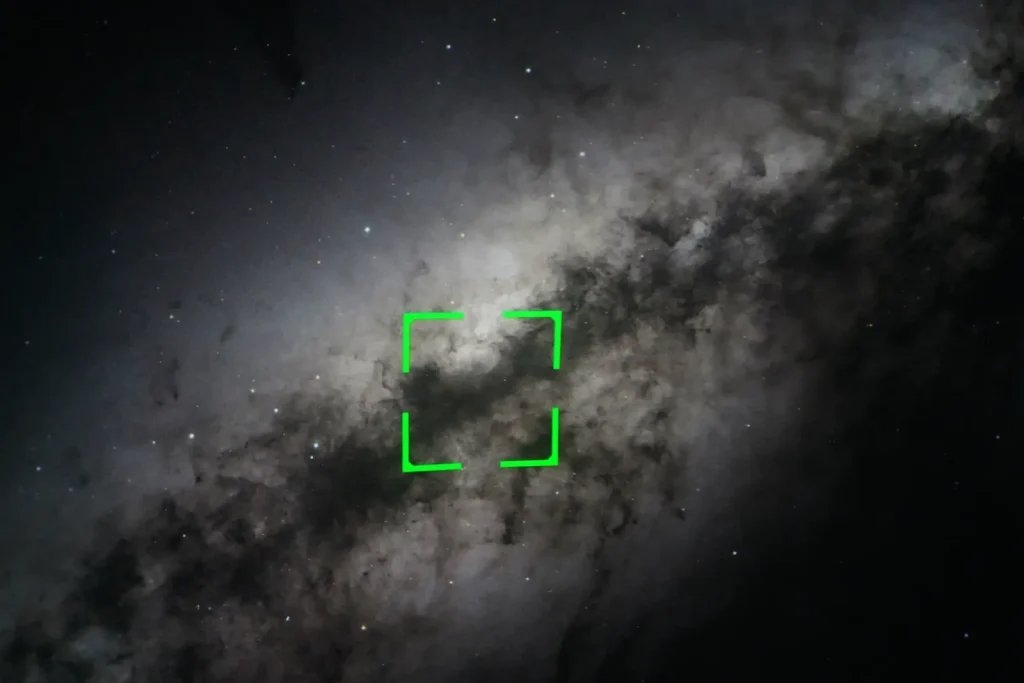
Dr. Mróz began his adventures in astronomy as a participant in the Olympiads, and in 2010, won the gold medal at the 4th International Olympiad on Astronomy and Astrophysics (IOAA) in Beijing. He performed exceptionally well in both the theoretical and practical portions of the contest. Today, he continues to follow his passion through his scientific work – he codiscovered the existence of rogue planets, determined the mass of one such object, and created a three-dimensional map of the Milky Way. In his lecture titled “Rogue Planets – To View the Invisible”, he engagingly and accessibly recounted the search for these “cosmic loners”.
Film showing at the final gala
The event culminated in a film showing, realized exclusively for the Olympiad’s finals, which took all those present on a journey to distant planetary systems in search of Earth-like worlds.