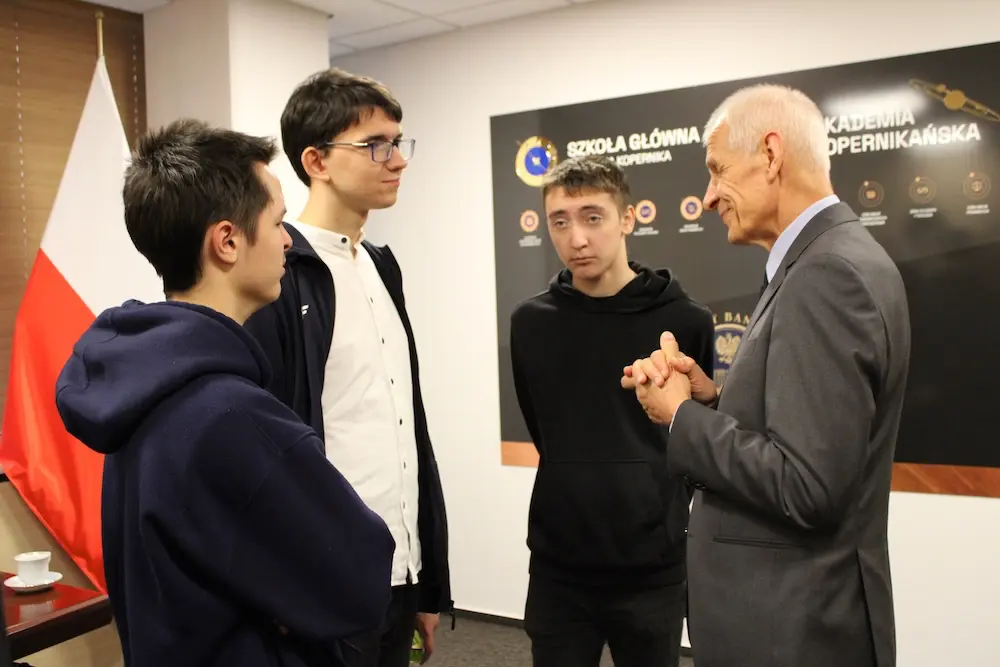

“I hope your path of success will outshine everything our generation could achieve and witness. I sincerely wish that for you.”
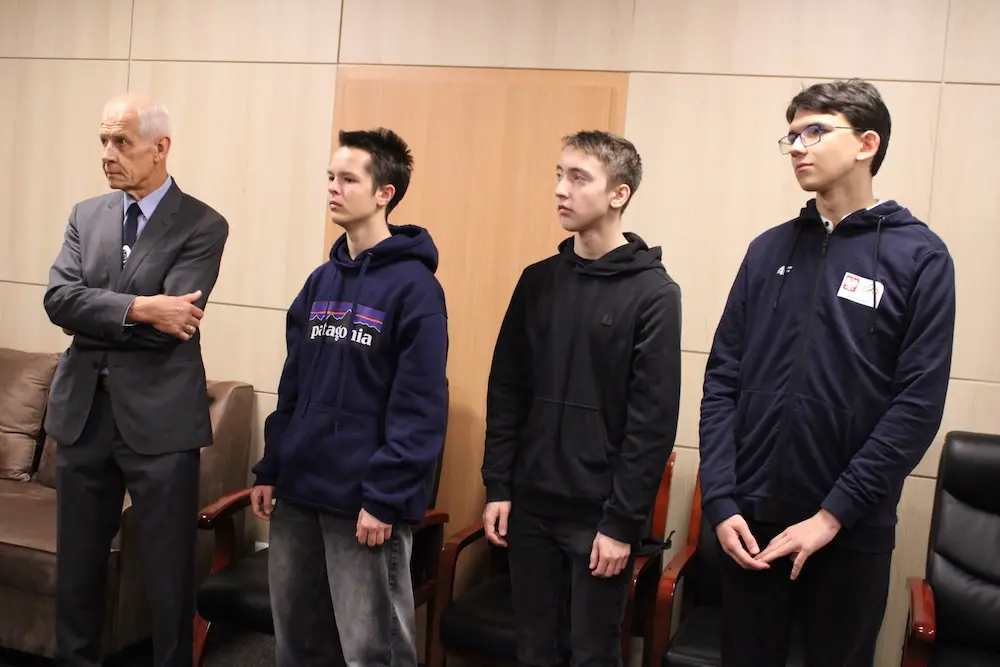
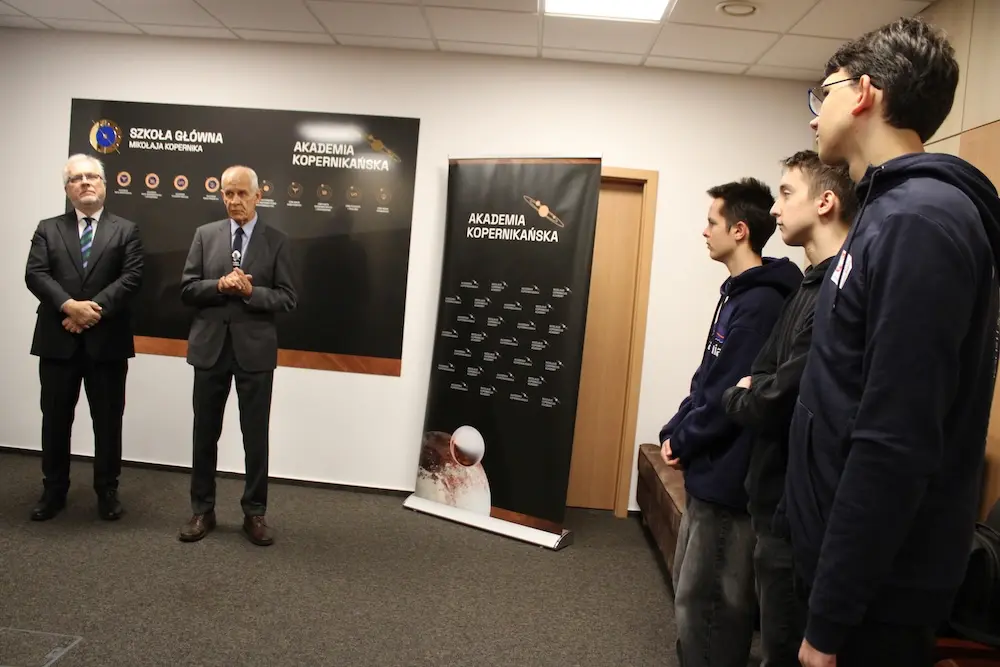
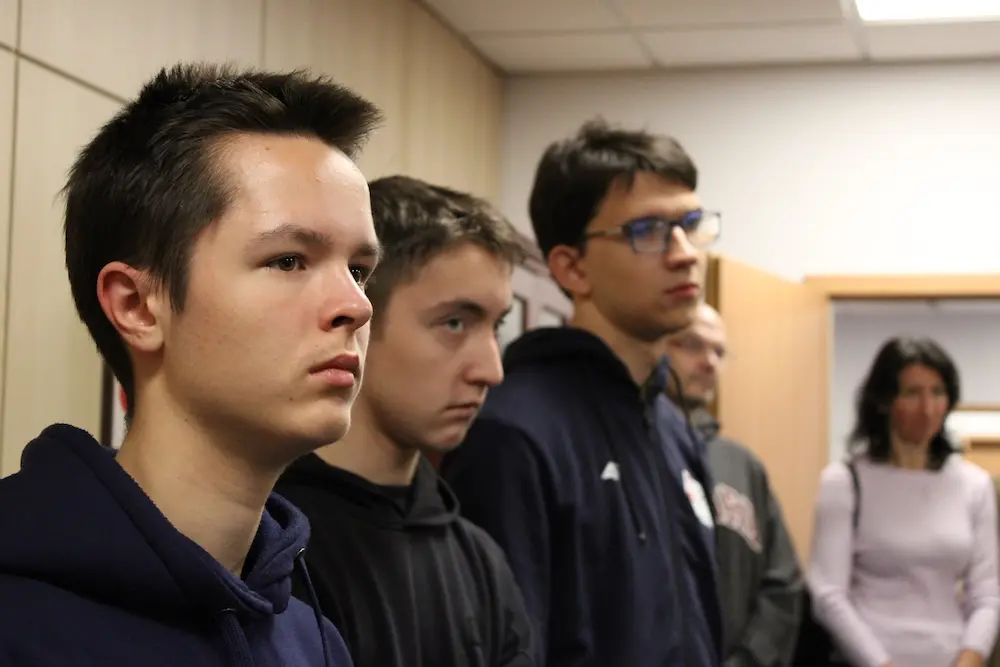
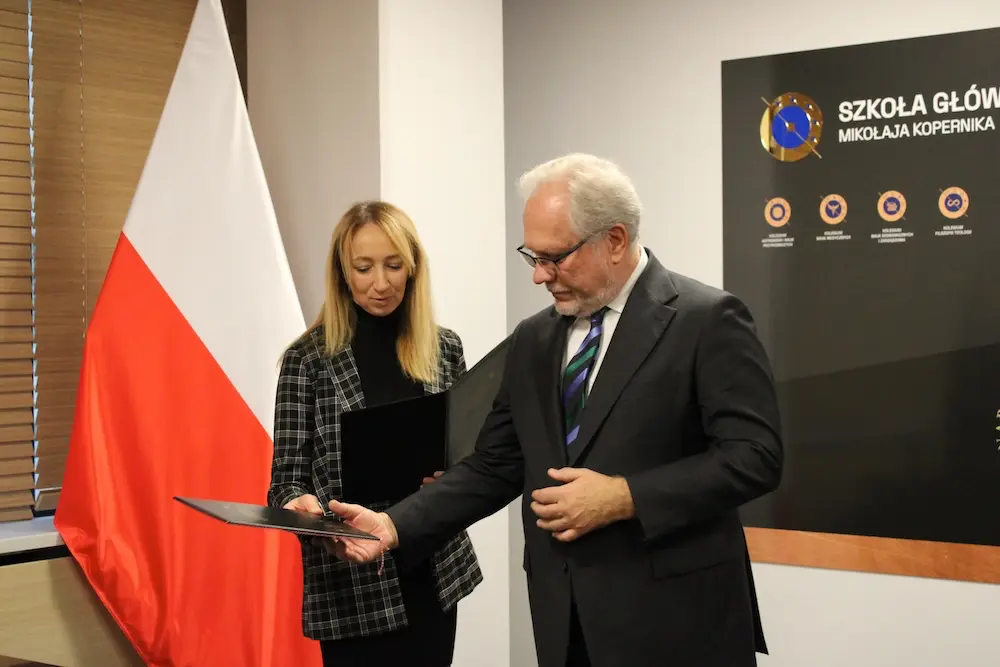
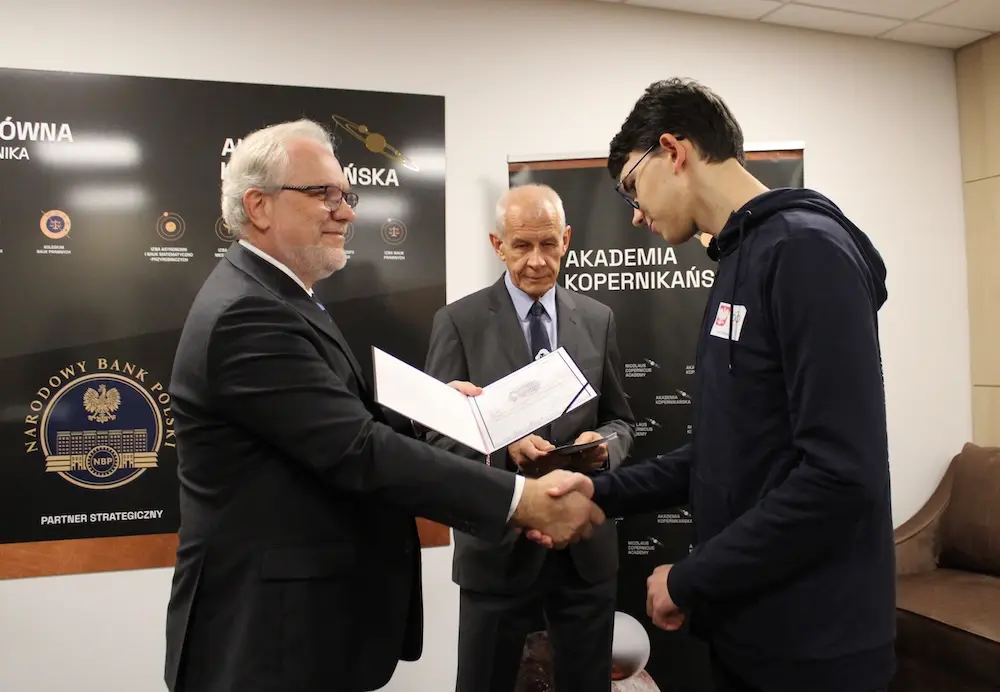
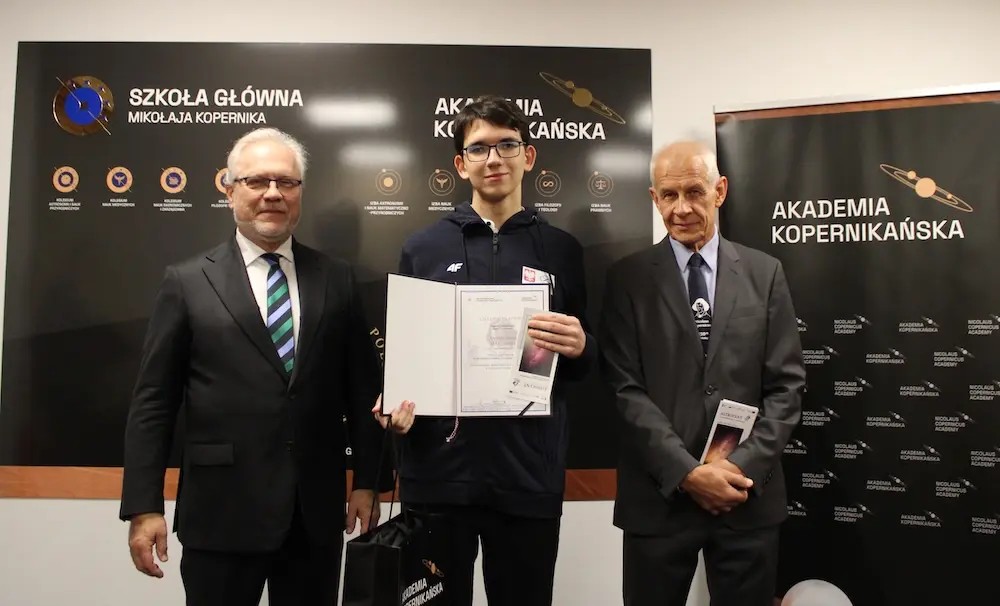
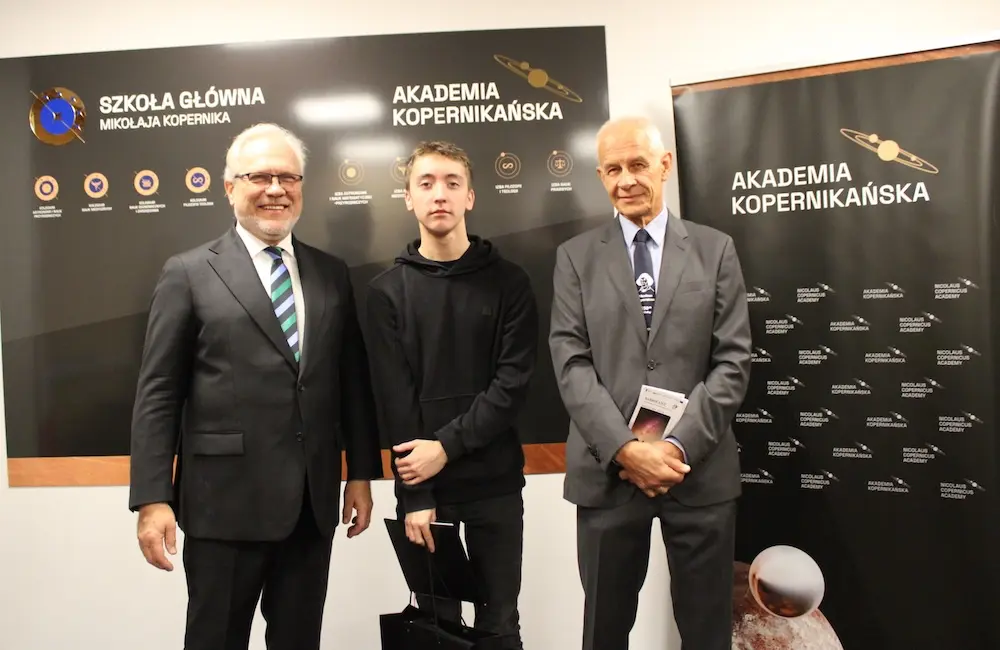
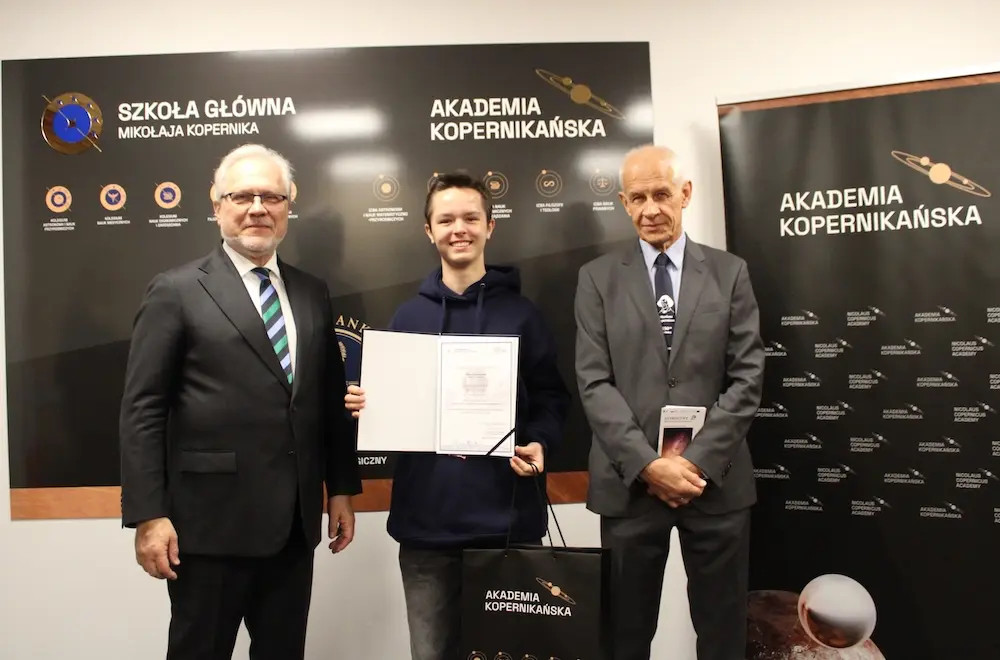
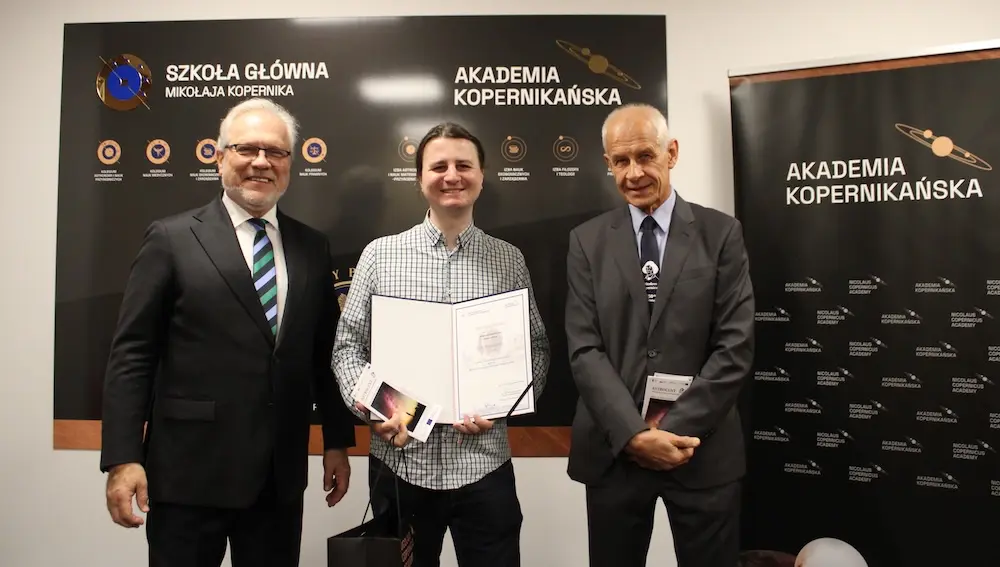
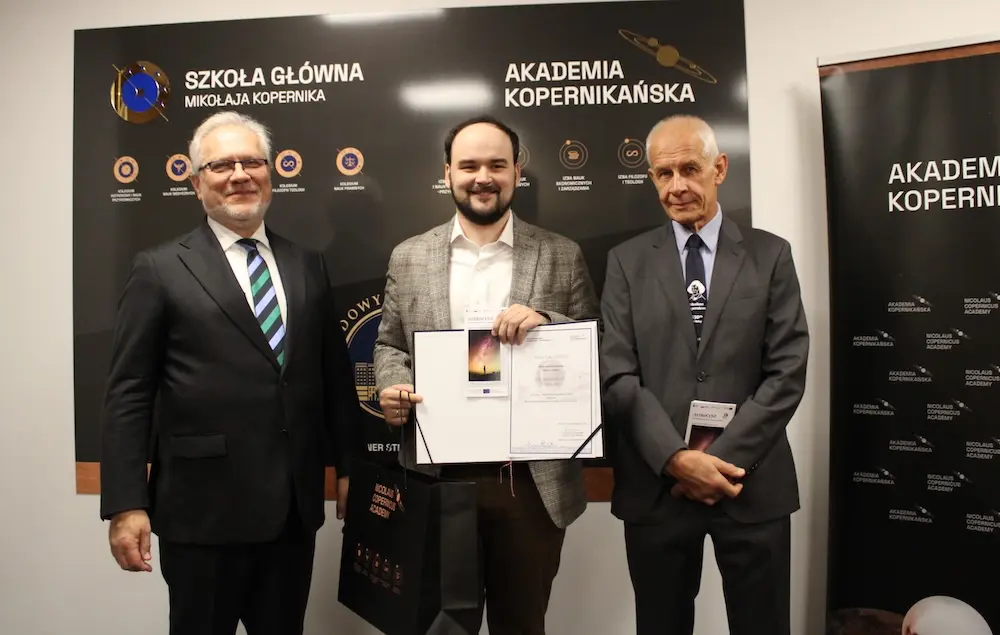
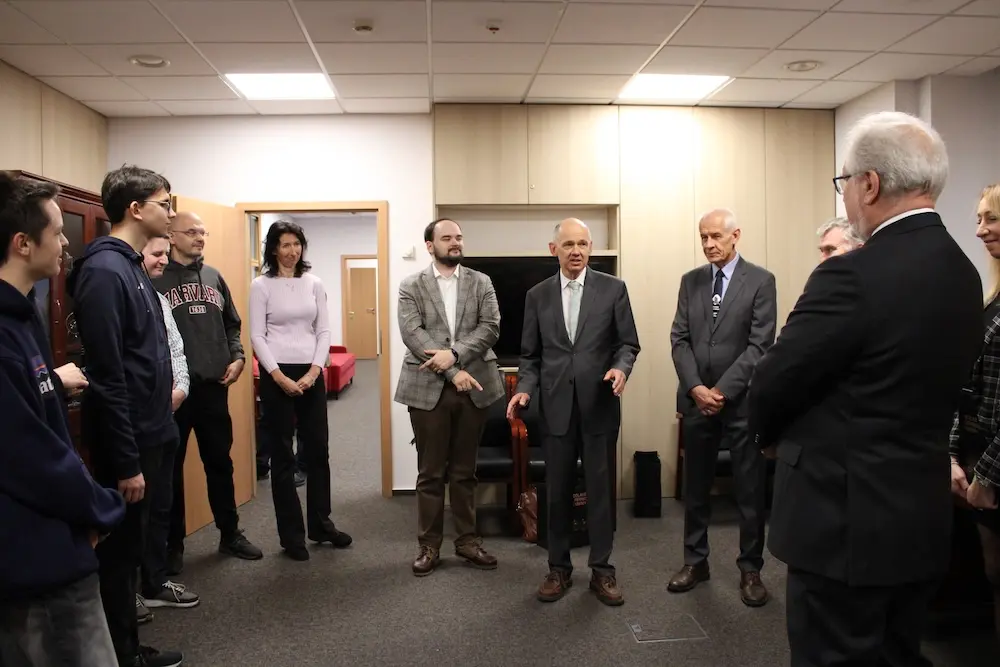
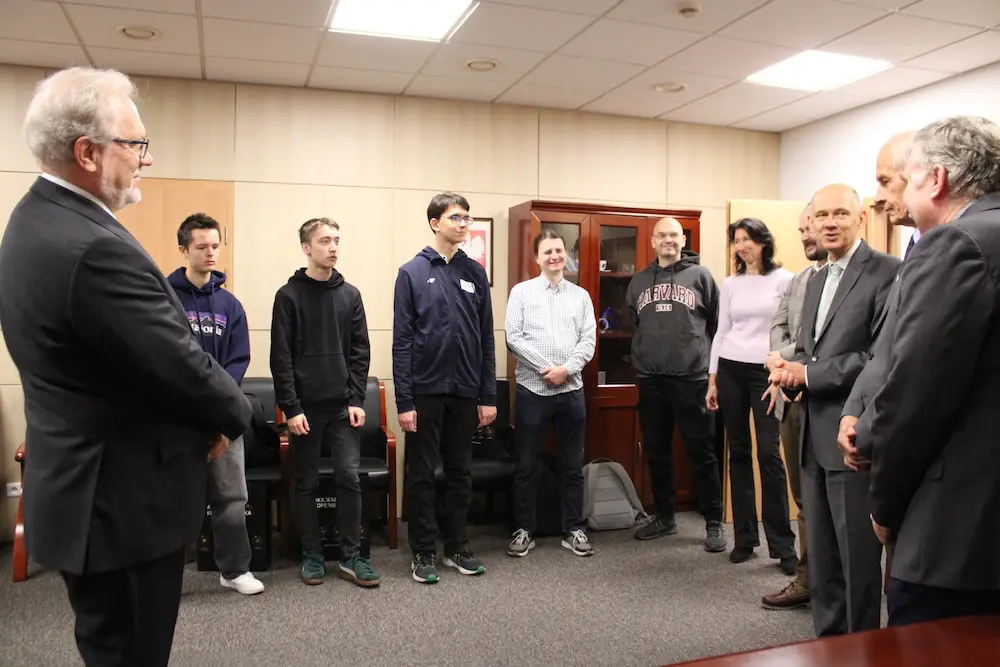
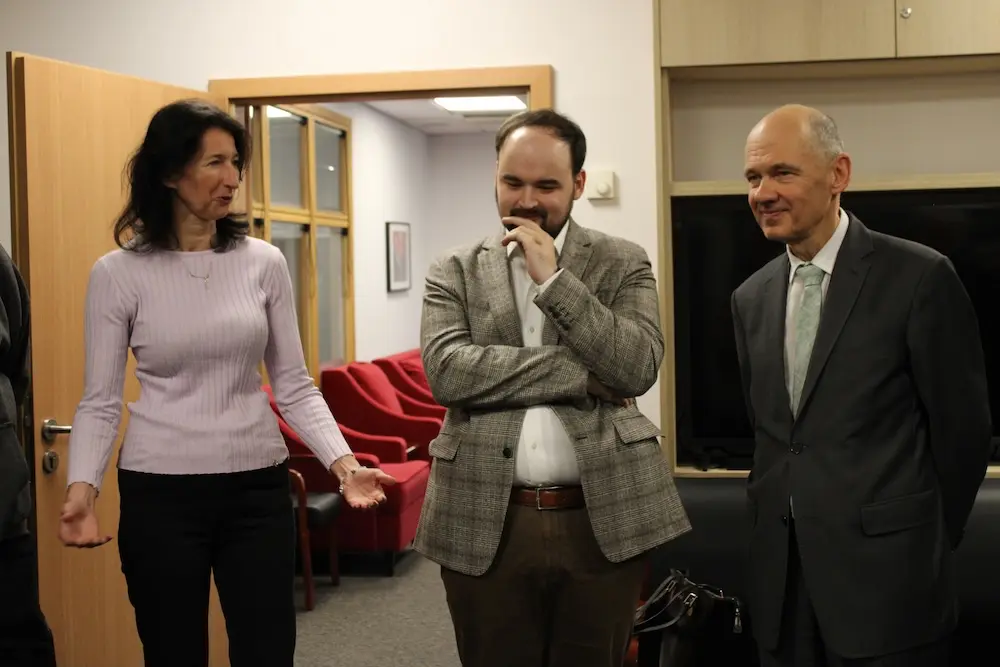
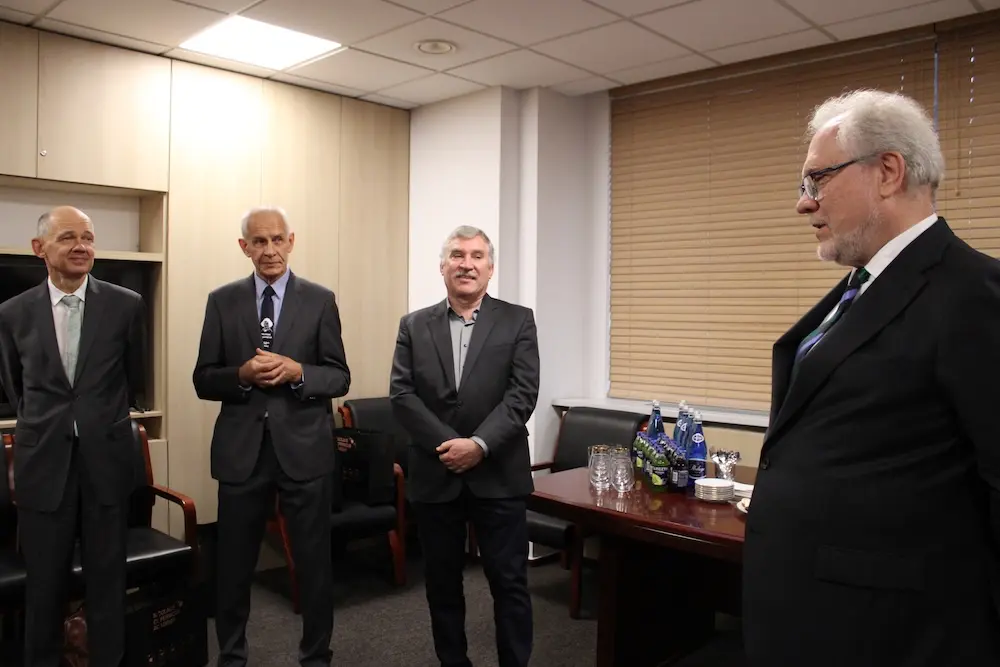
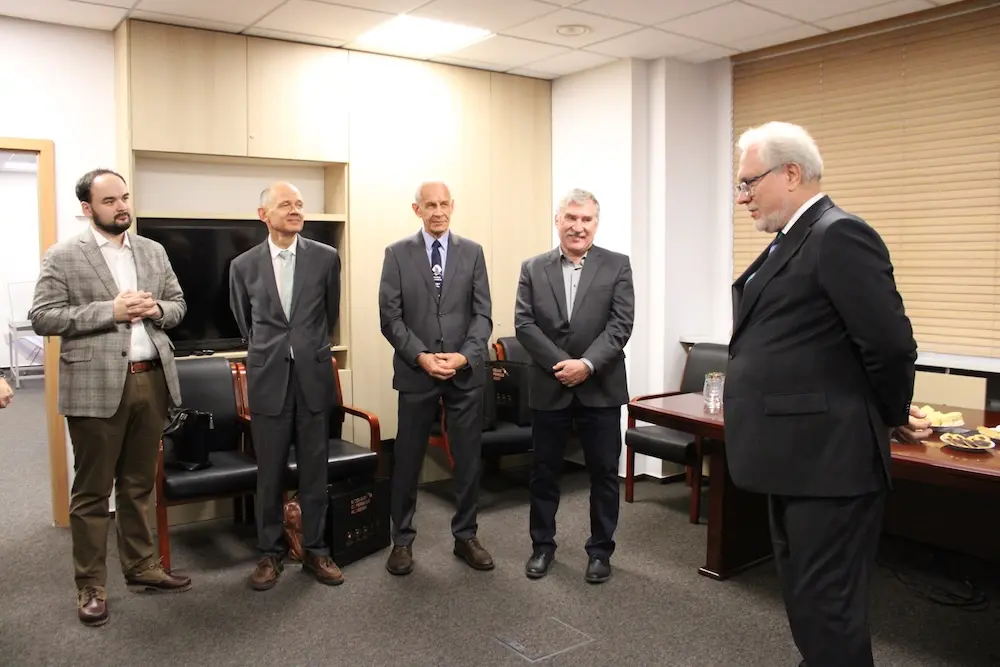
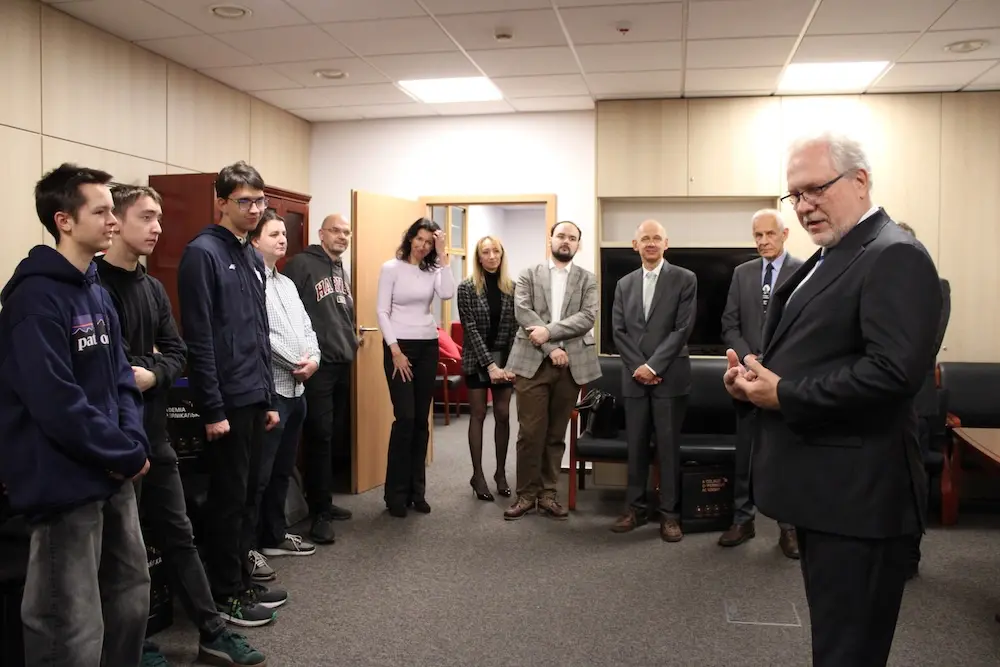
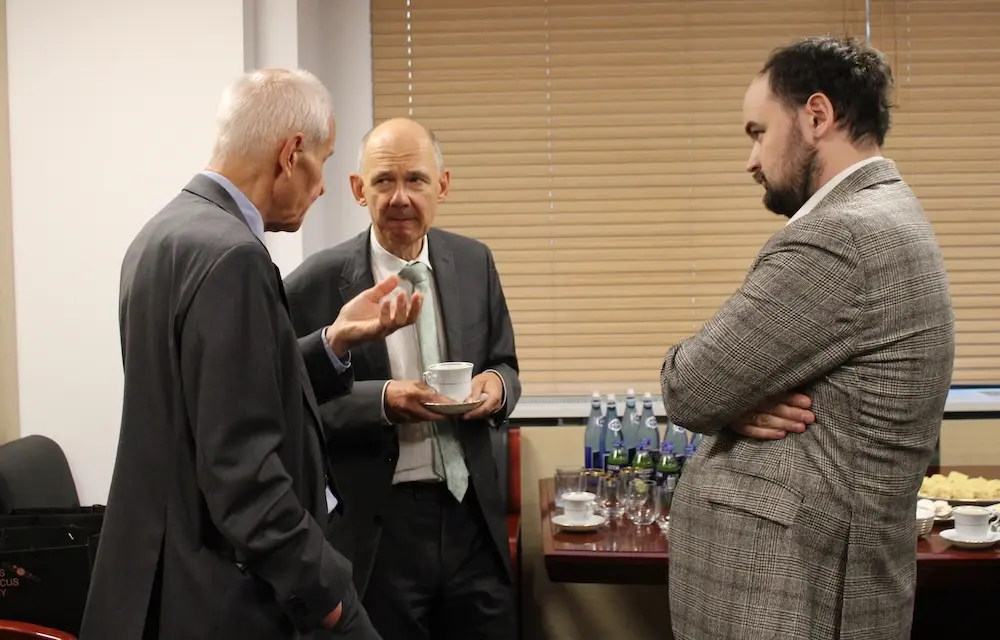
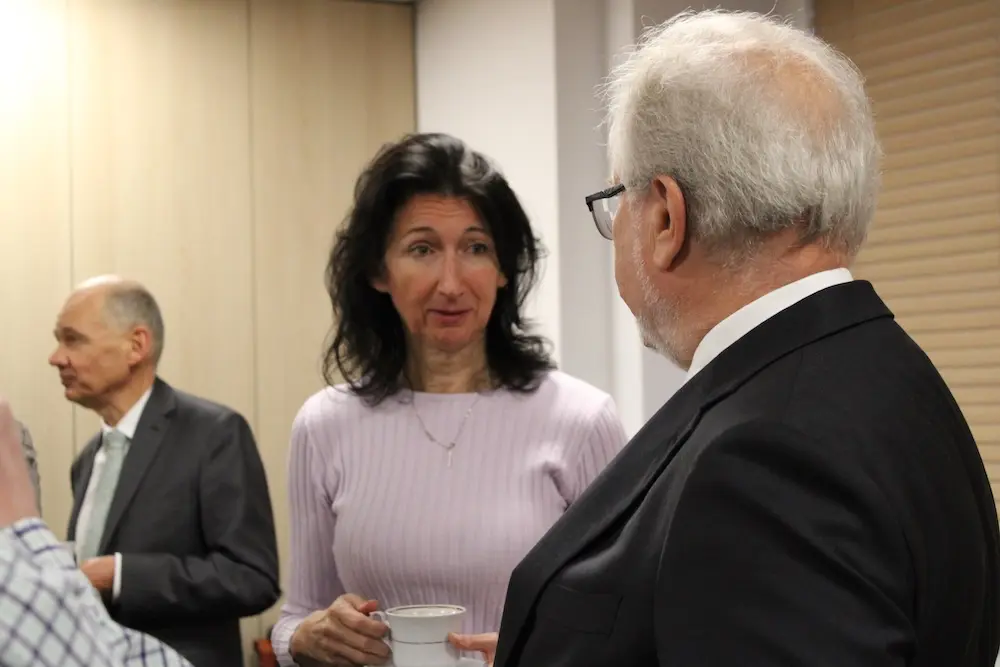
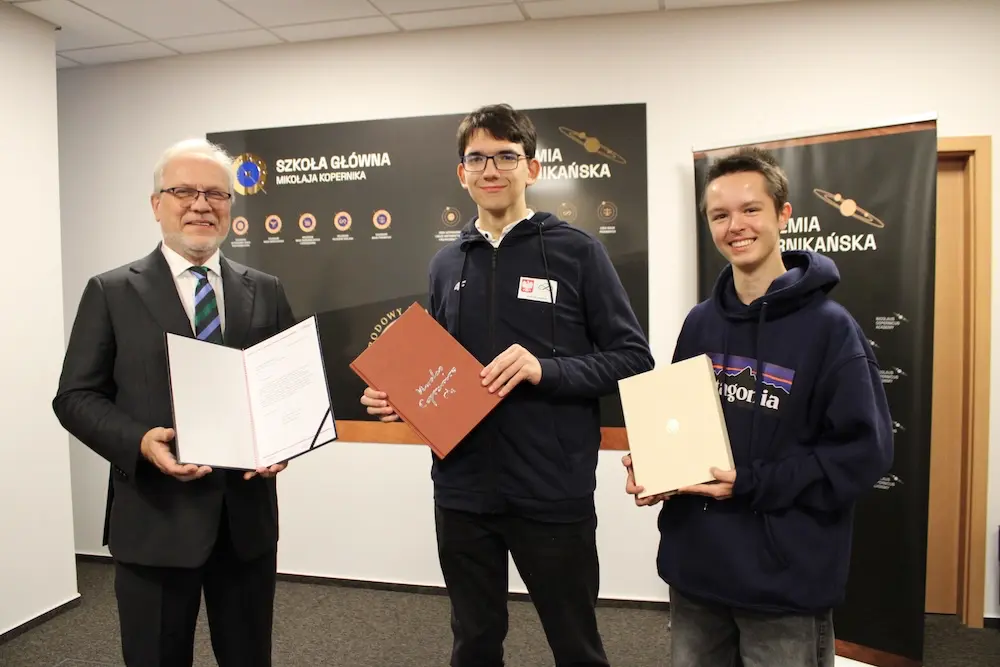
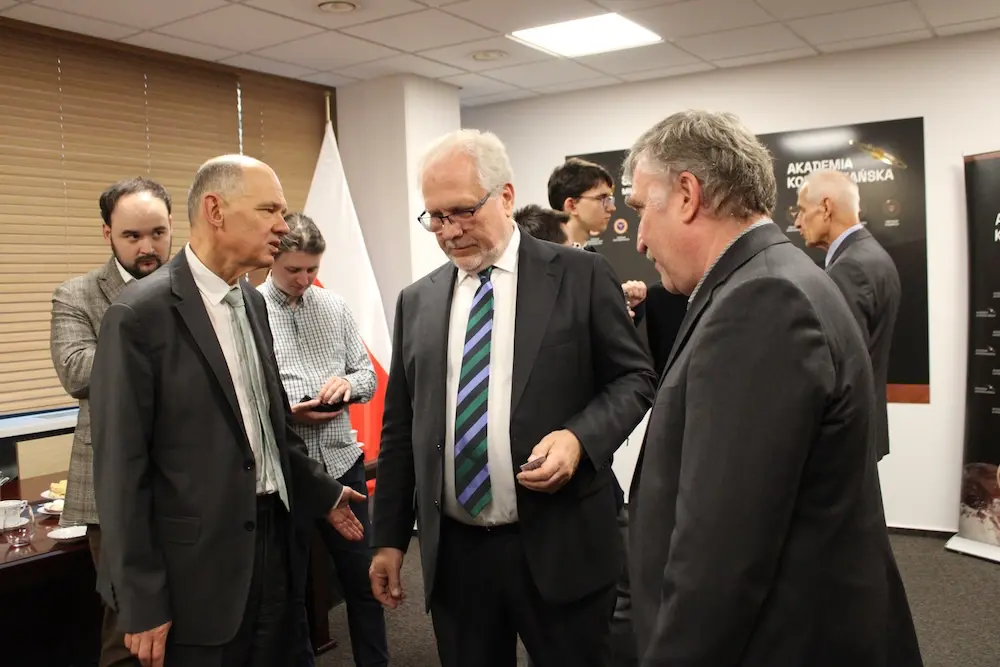
On October 24, Nicolaus Copernicus Academy hosted a meeting with the winners of the Mathematical Olympiad—young people who have already achieved remarkable success at the very start of their scientific journey.
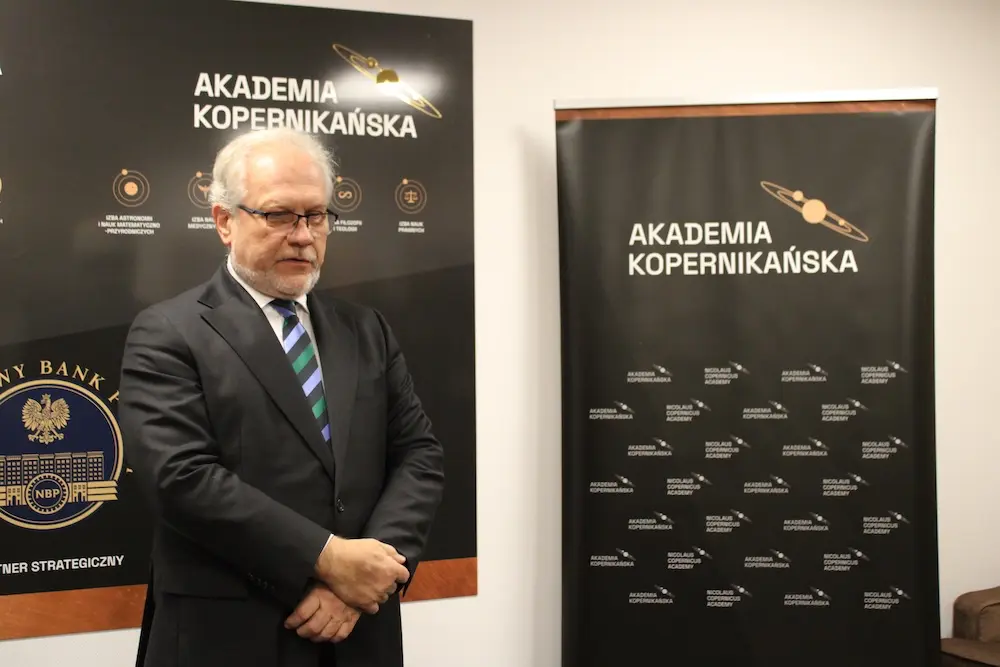
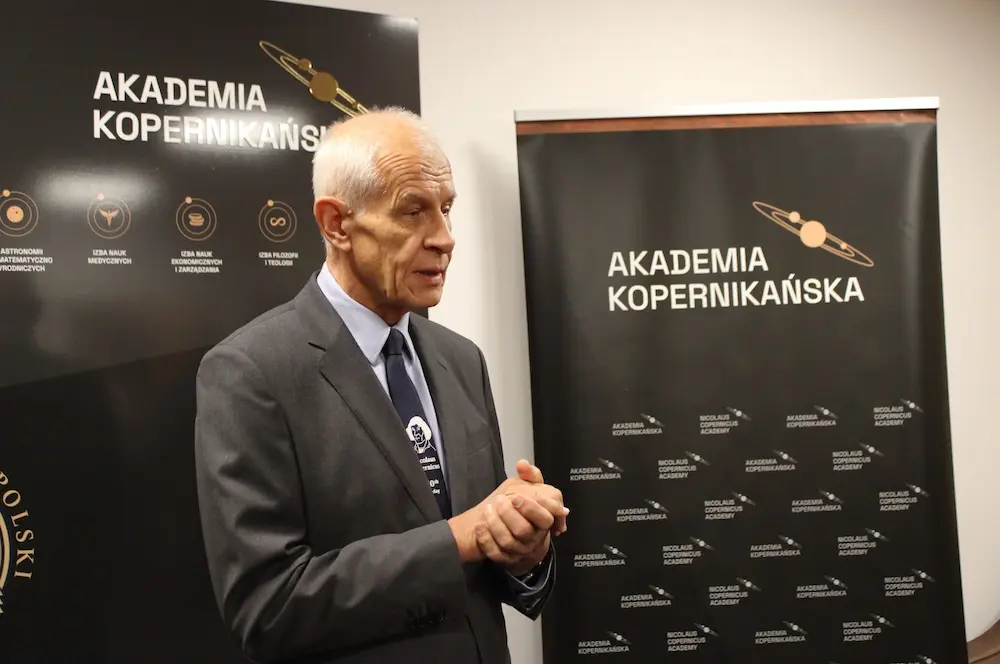
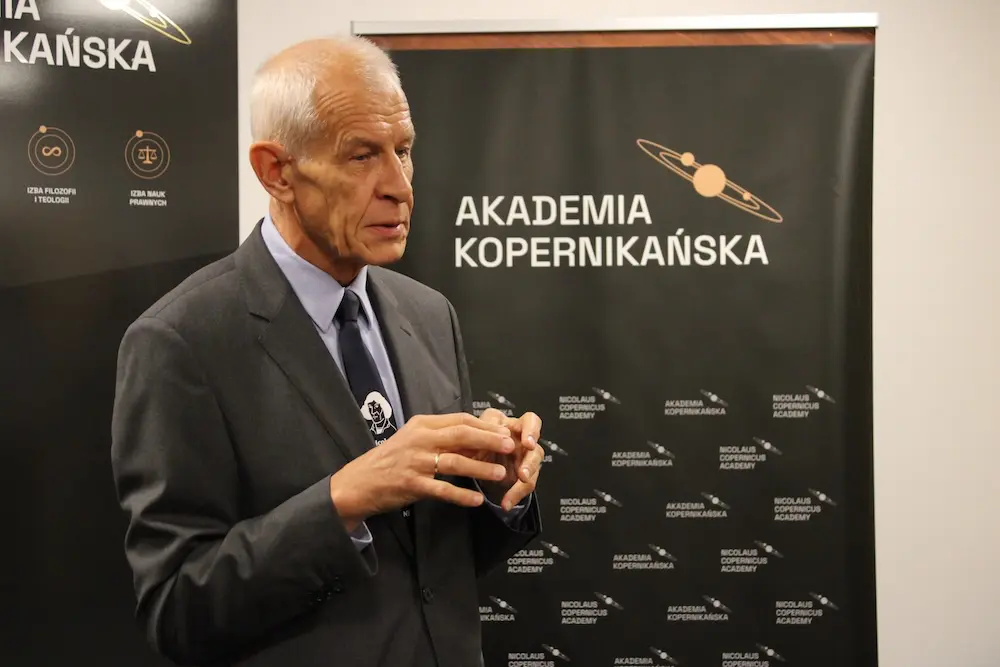
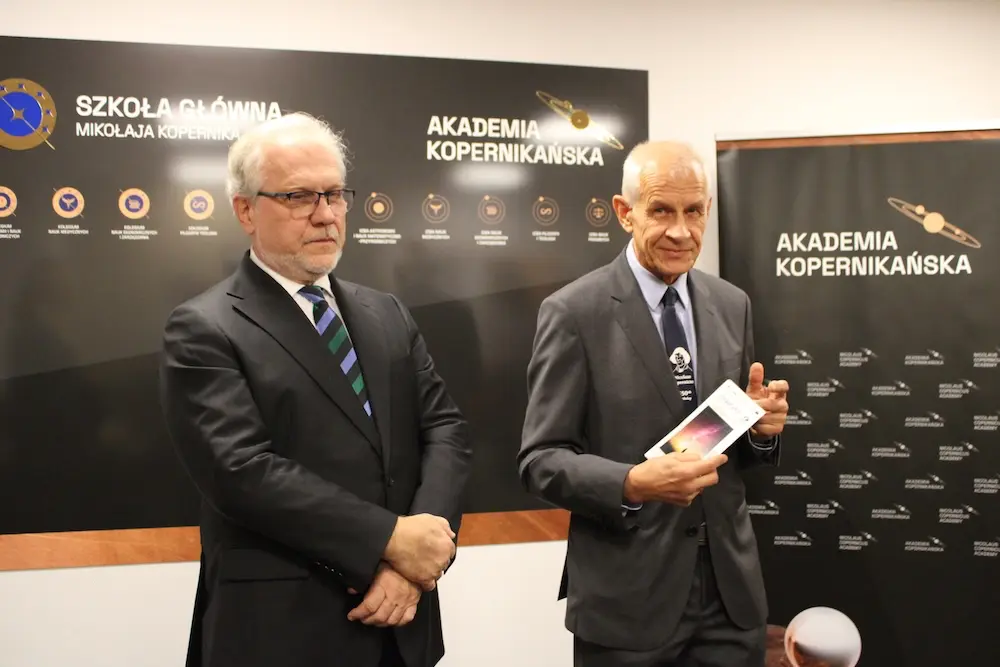
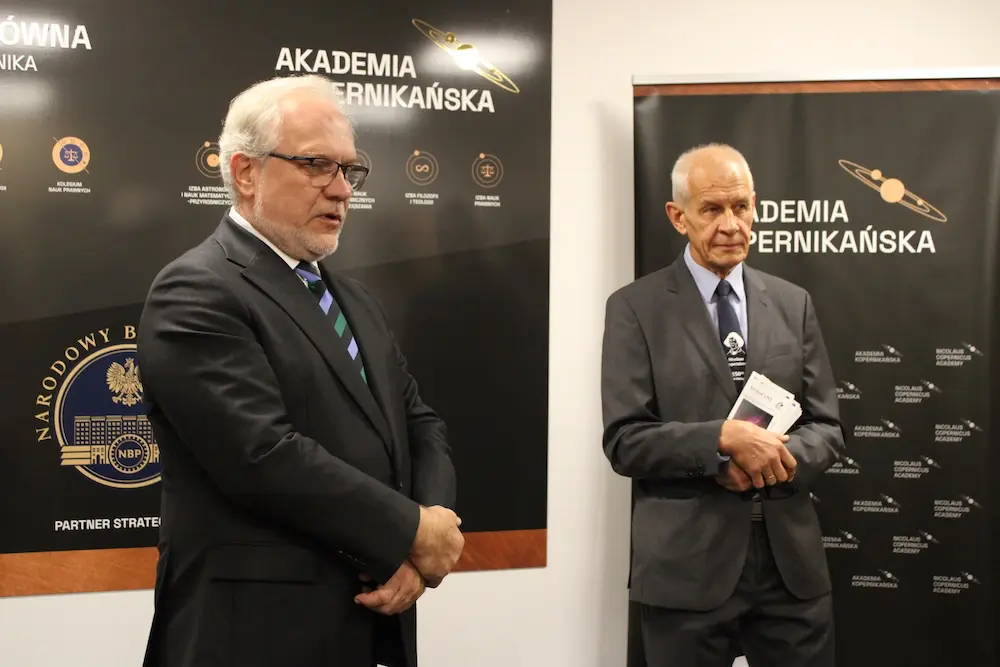
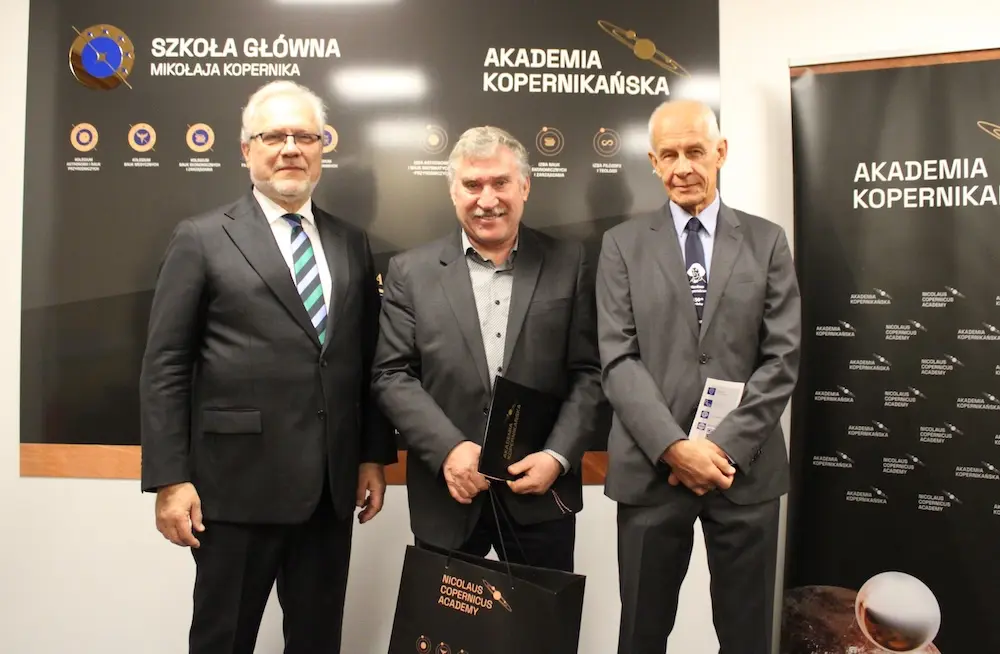
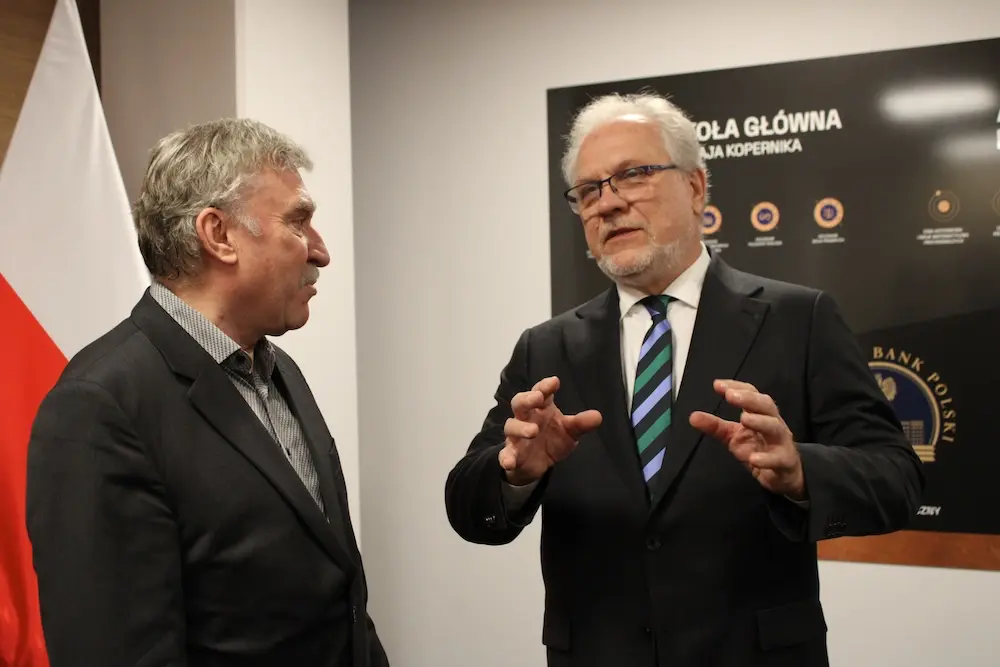
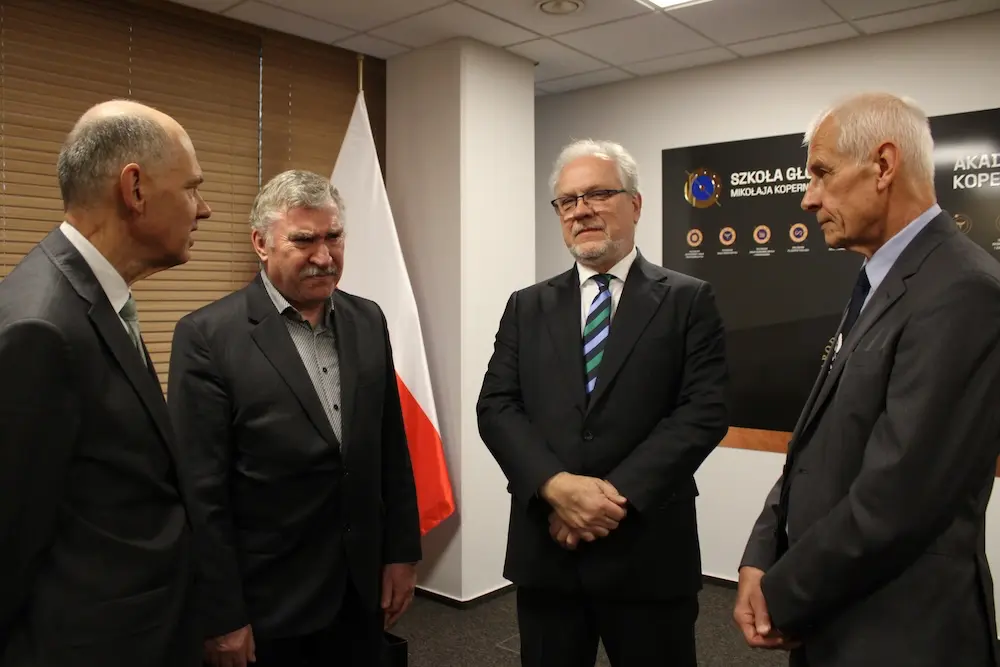
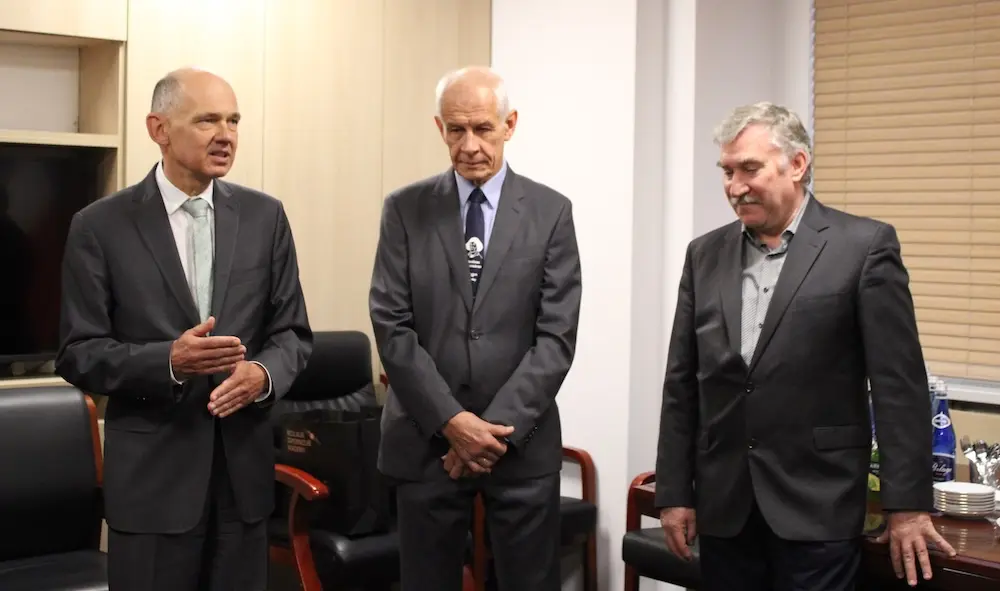
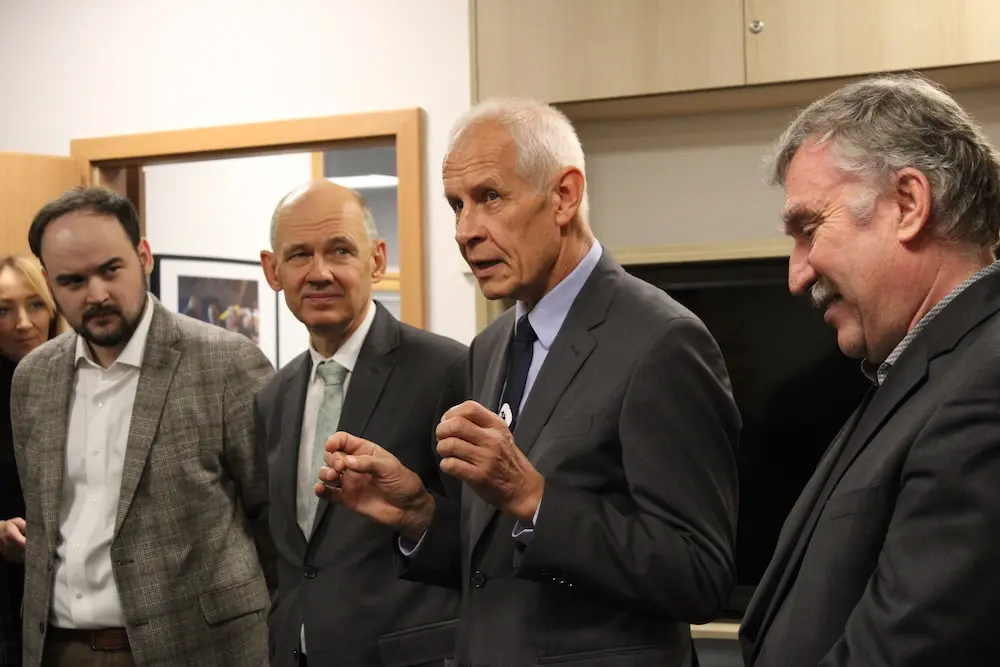
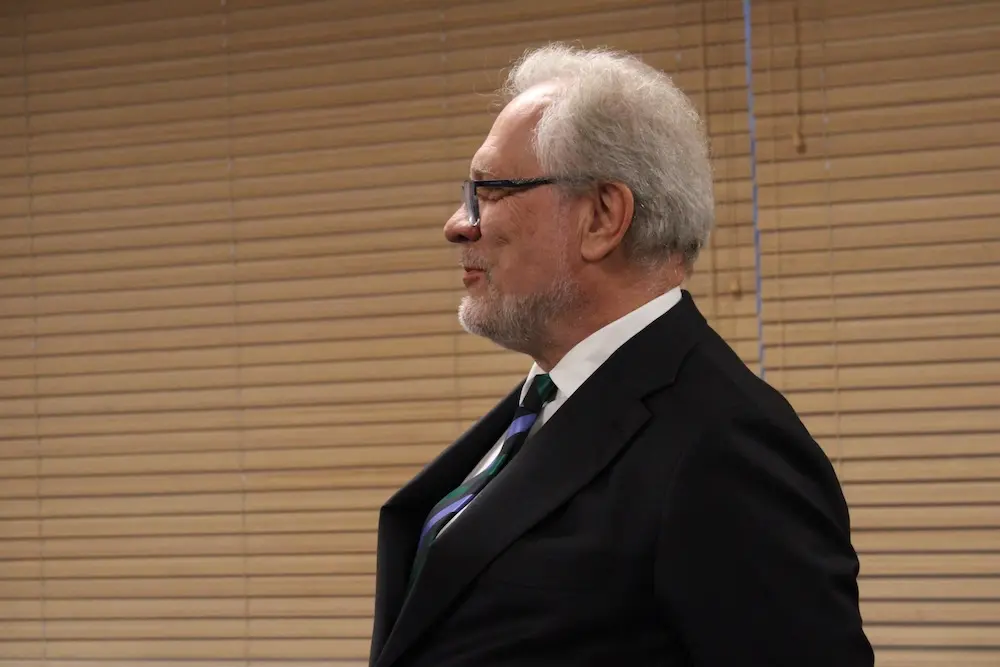
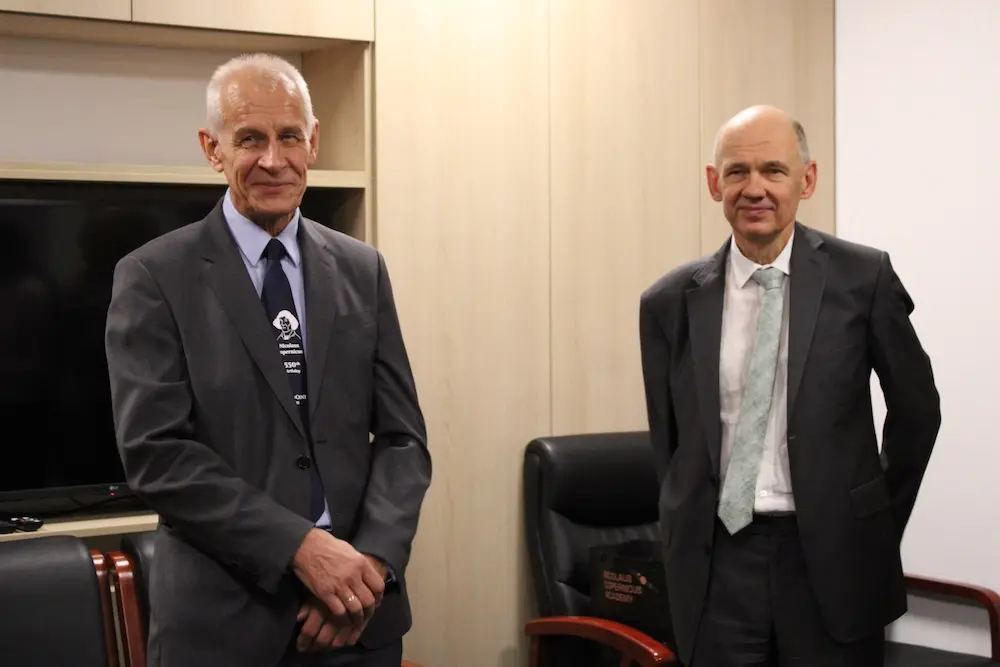
During the event, Prof. Krzysztof Marian Górski, Acting Secretary General of Nicolaus Copernicus Academy, highlighted the importance of young talent for the future of science:
“Right now, we focus on what matters most—our young talents, our outstanding winners. It truly takes your breath away that events like this can happen here. (…) I never doubted that talent continues to emerge in Poland, even if it isn’t always fully utilized. Let’s hope that events like this one take us further toward better and more effective use of the potential that undoubtedly exists in Poland.”
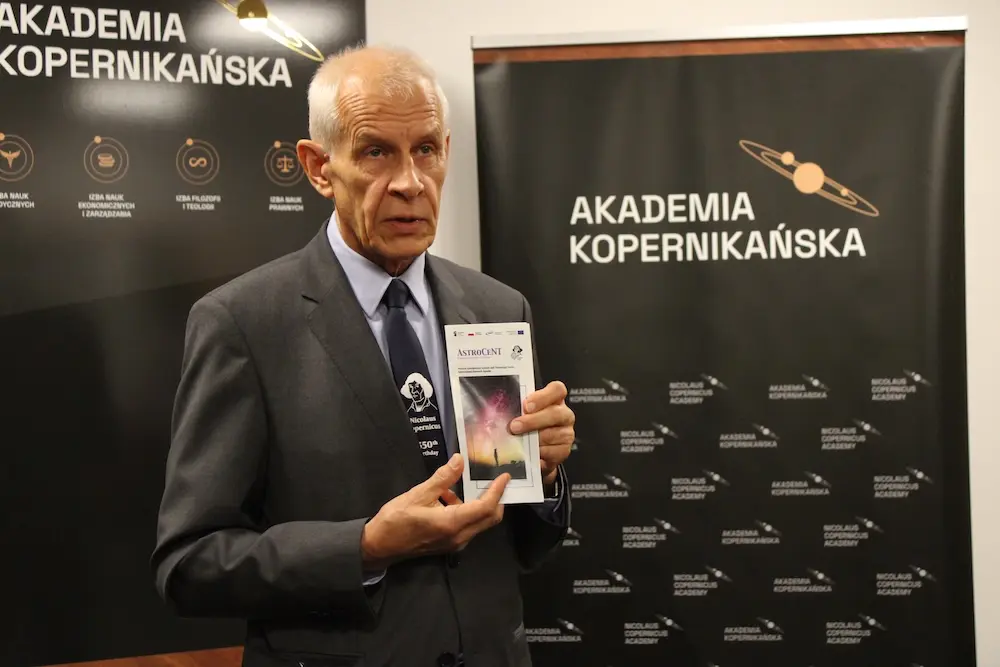
He concluded with heartfelt words:
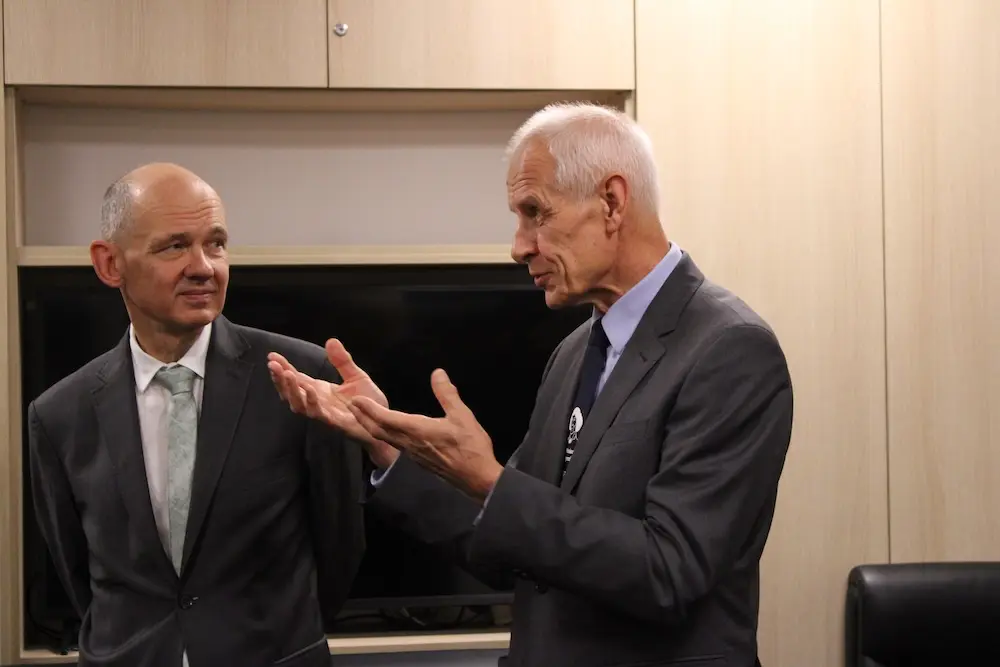
“I must admit, when I look at such young and talented people, it gives me goosebumps—I never participated in any Olympiad myself! (…) I hope your path of success will outshine everything our generation could achieve and witness. I sincerely wish that for you.”
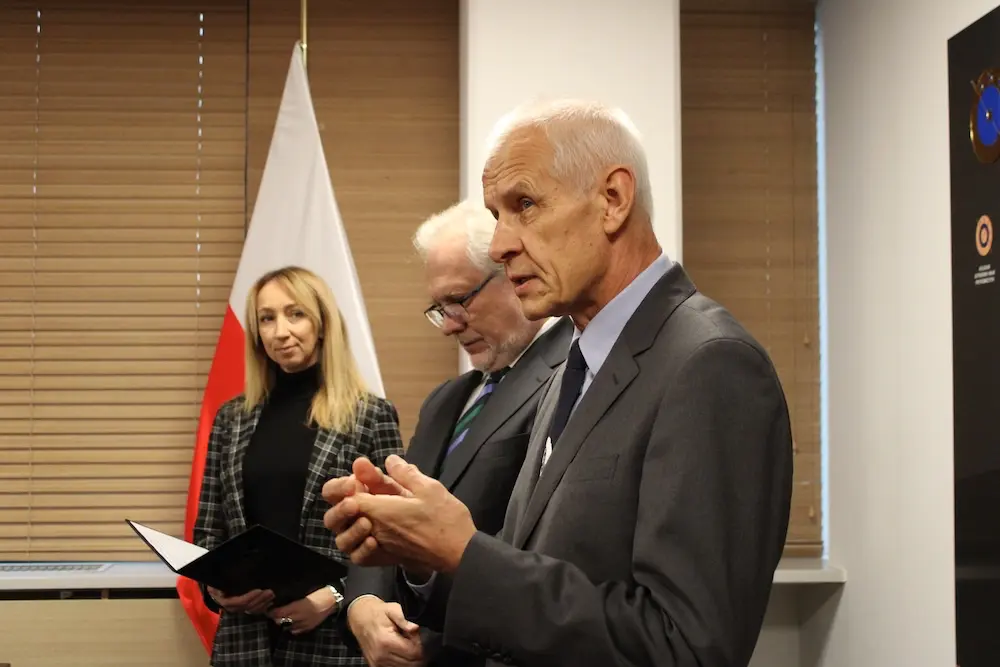
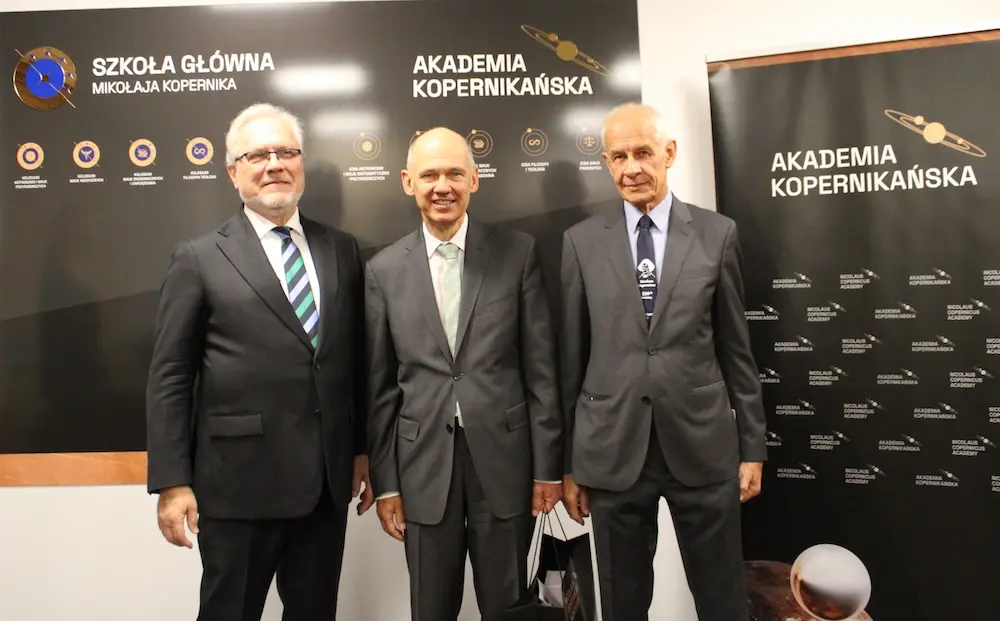
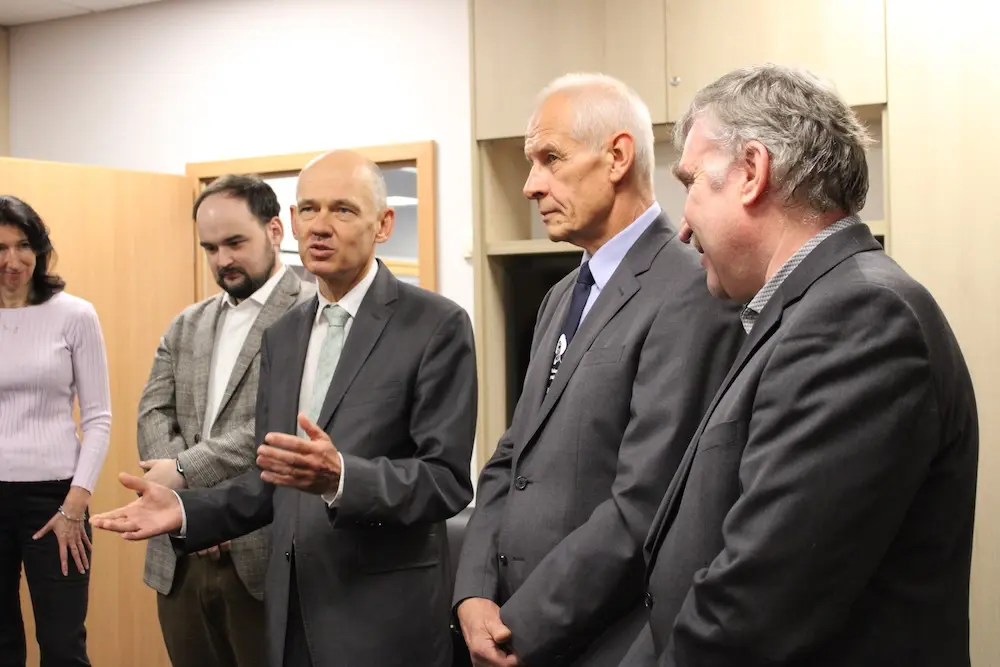
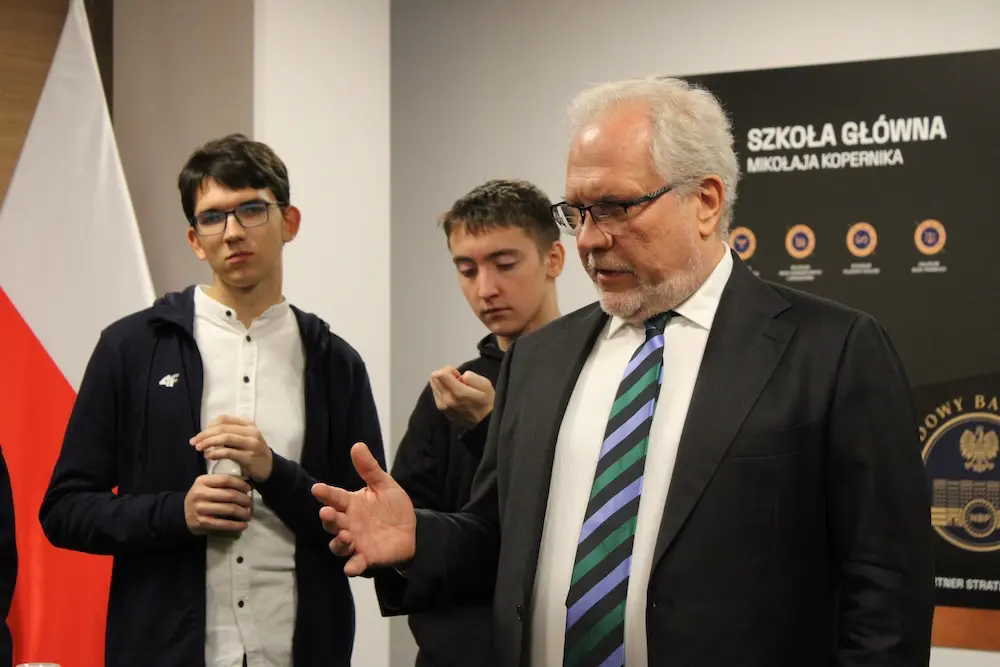
Prof. Leszek Roszkowski emphasized that behind every great talent stands someone who helped nurture it:
“History shows examples of self-taught geniuses, like Einstein, but remember St. Thomas Aquinas, whose teacher was Albert the Great. Similarly, Nicolaus Copernicus had immense talent but also masters to learn from. That’s why it’s crucial to find people in your environment who can help develop your talent—so that the seed lands on the right soil.”
Prof. Grzegorz Świątek from the Mathematical Institute of the Polish Academy of Sciences stressed that mathematics plays a key role in scientific development and remains the universal language of science:
“Whatever scientific revolution awaits us—Copernican or otherwise—mathematics will always stand at its center. (…) Our world is mathematical, and it speaks to us in the language of mathematics.”
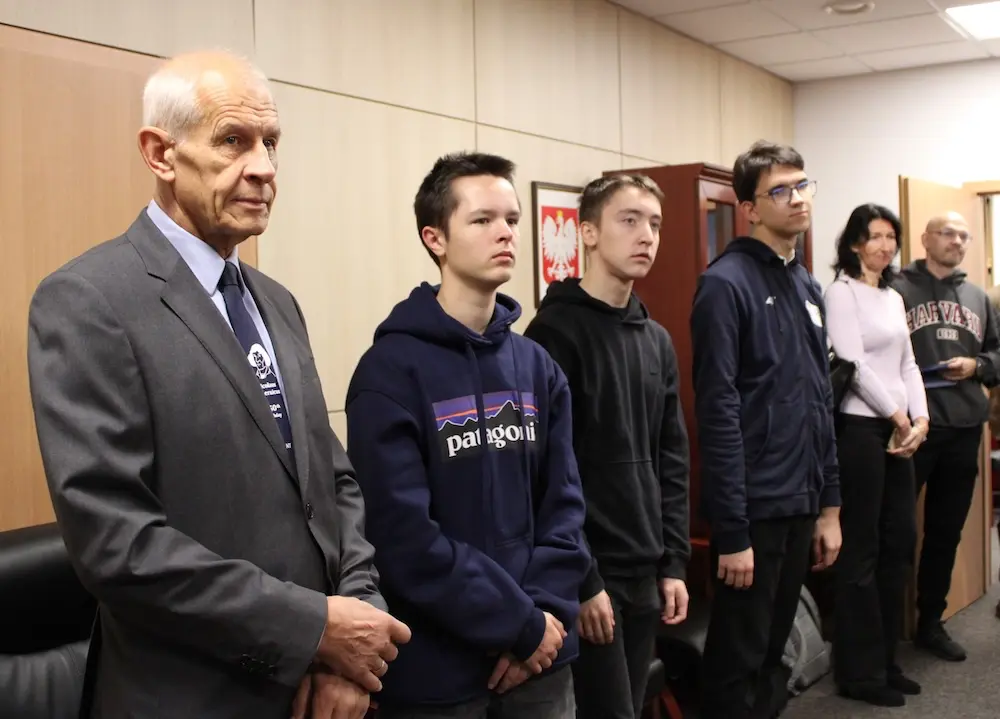
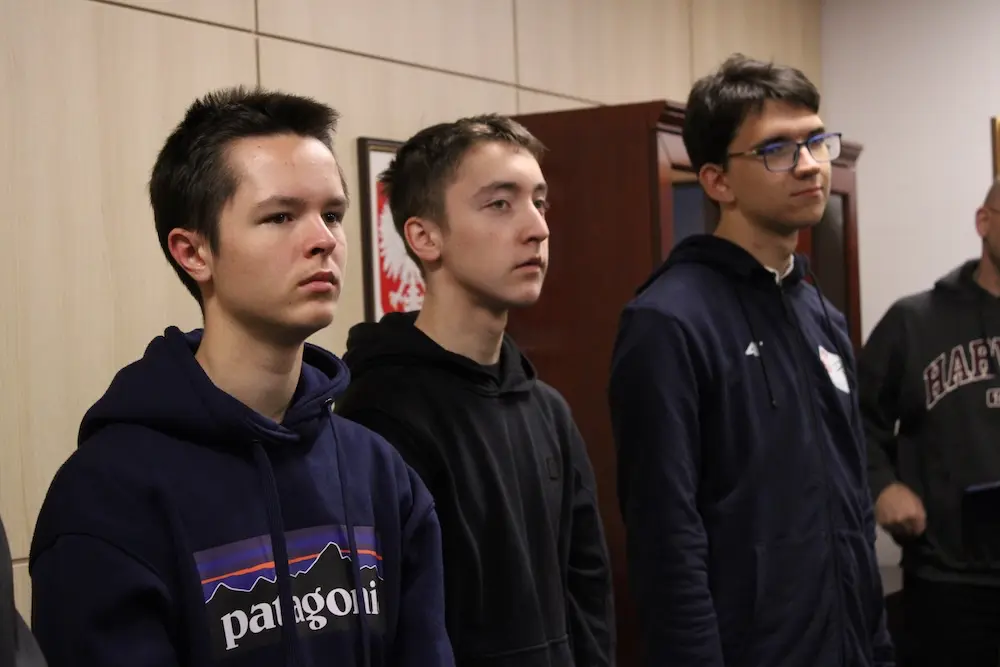
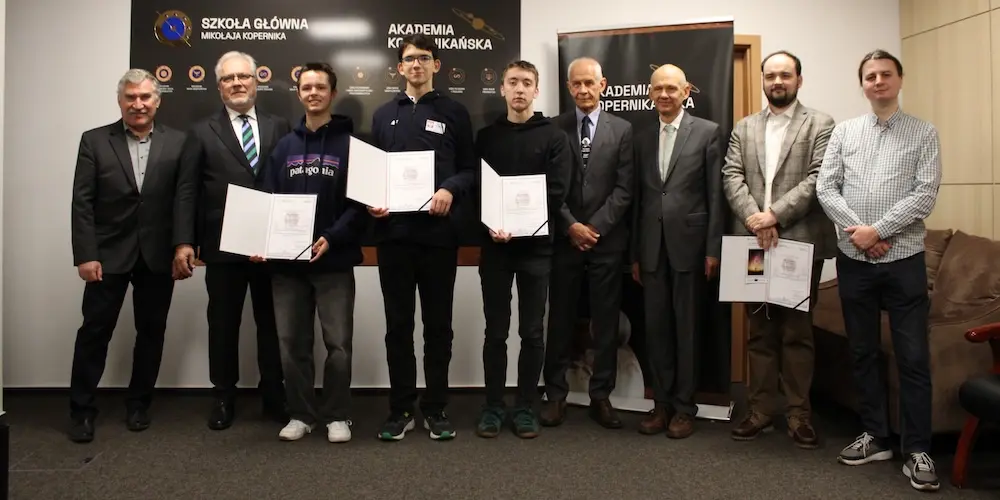
This year’s participants included:
- Jakub Świcarz – XIV LO im. Stanisława Staszica, Warsaw
- Michał Wolny – XIV LO im. Stanisława Staszica, Warsaw
- Antoni Mazur – V LO im. Augusta Witkowskiego, Kraków
Those unable to attend for logistical reasons were:
- Stanisław Lada – XIV LO im. Stanisława Staszica, Warsaw
- Magdalena Pudełko – V LO im. Augusta Witkowskiego, Kraków, the first Polish female winner of a gold medal at the International Mathematical Olympiad, whom professors called “perhaps a future female Newton”
- Mateusz Wawrzyniak – Academic LO of Wrocław University of Science and Technology
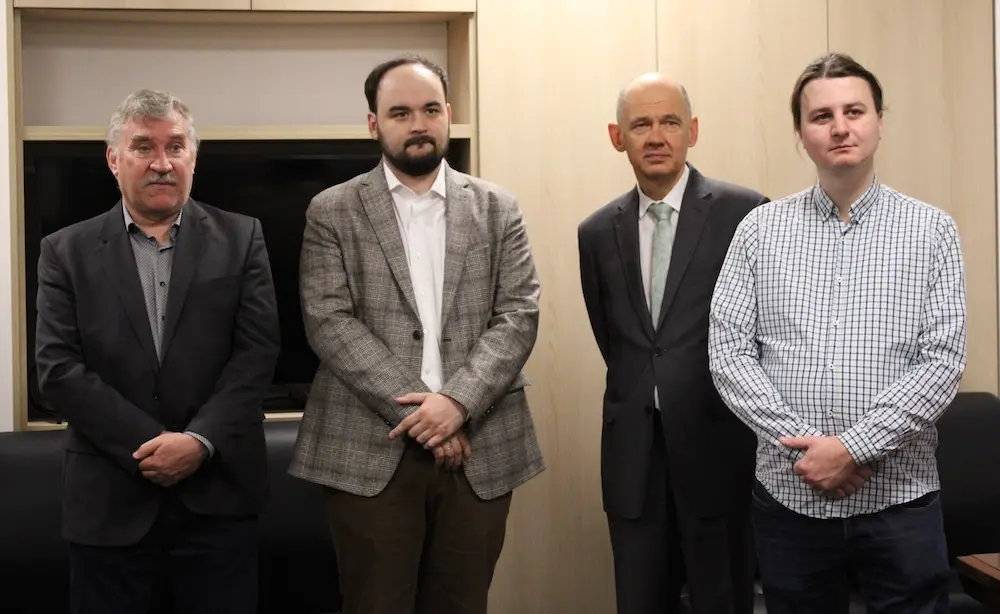
The winners were accompanied by:
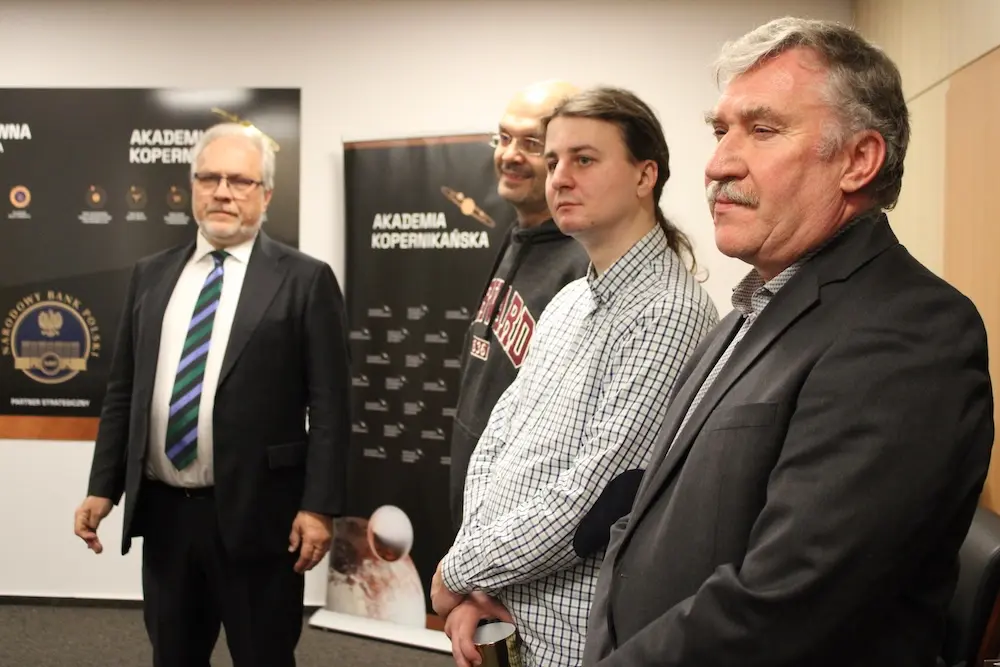
- Prof. Grzegorz Świątek, Chair of the Main Committee of the Mathematical Olympiad, Mathematical Institute PAS
- Prof. Krzysztof Chełmiński, Chair of the Association for Mathematical Education (Olympiad organizer)
- Dr. Dominik Burek and Dr. Tomasz Cieśla, team mentors
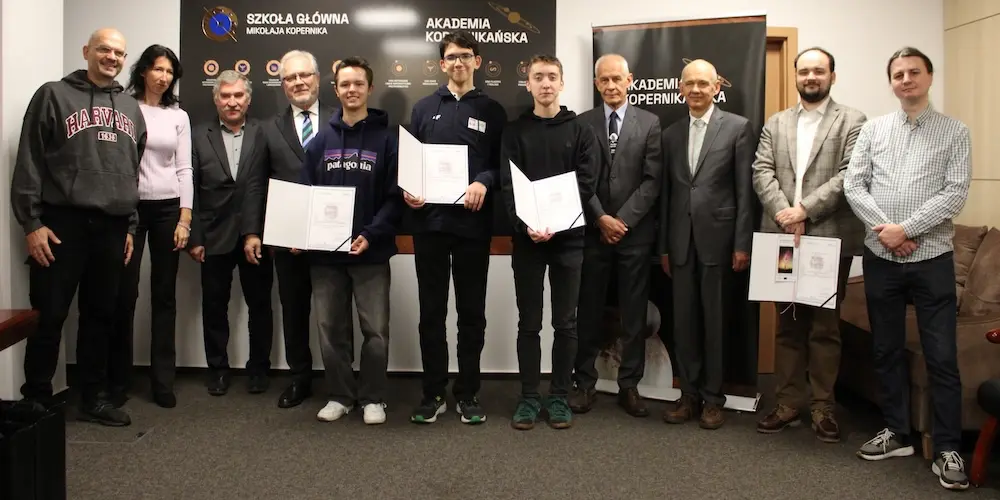
For the first time, one winner attended with his parents, who traveled from Halemba near Katowice so their son could join the ceremony. This gesture highlighted the importance of the event not only for the young participants but also for their families.
We warmly congratulate all the winners and their mentors once again!
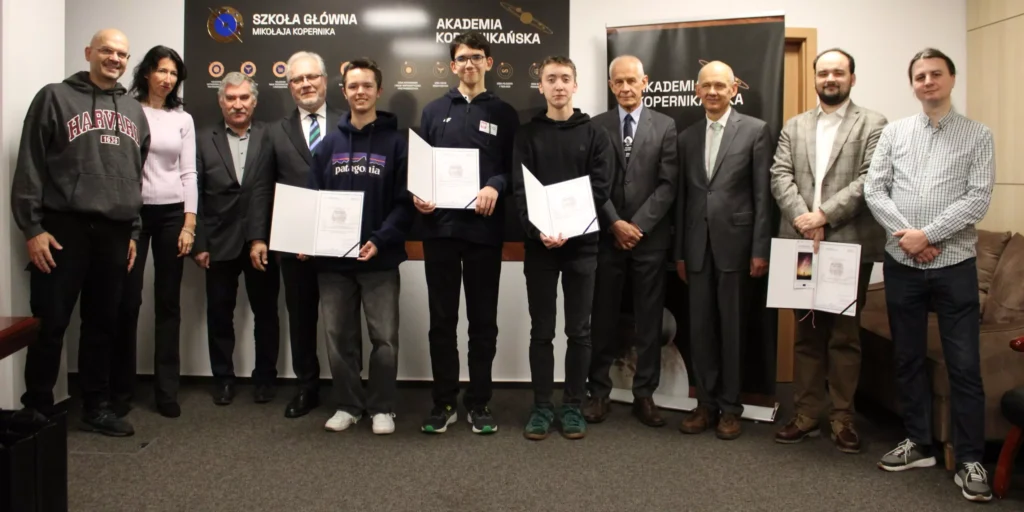
From left in the photo: parents of Antoni Mazur, Prof. Krzysztof Chełmiński, Prof. Krzysztof Górski, Michał Wolny, Antoni Mazur, Jakub Świcarz, Prof. Leszek Roszkowski, Prof. Grzegorz Świątek, Dr. Dominik Burek, Dr. Tomasz Cieśla.