Frombork
“On behalf of the chapter in the first quarter of the 16th century, as general administrator of the Warmian bishopric, he managed the diocese and Warmian dominion for several months, served as commissioner of Warmia, and was even listed among four candidates for the bishopric of Warmia.”[1]
[1] T. Pawluk, Warmińska Kapituła Katedralna a Mikołaj Kopernik, Prawo Kanoniczne: kwartalnik prawno-historyczny, no. 17/3–4, 1974, p. 15.
Visits and Meetings
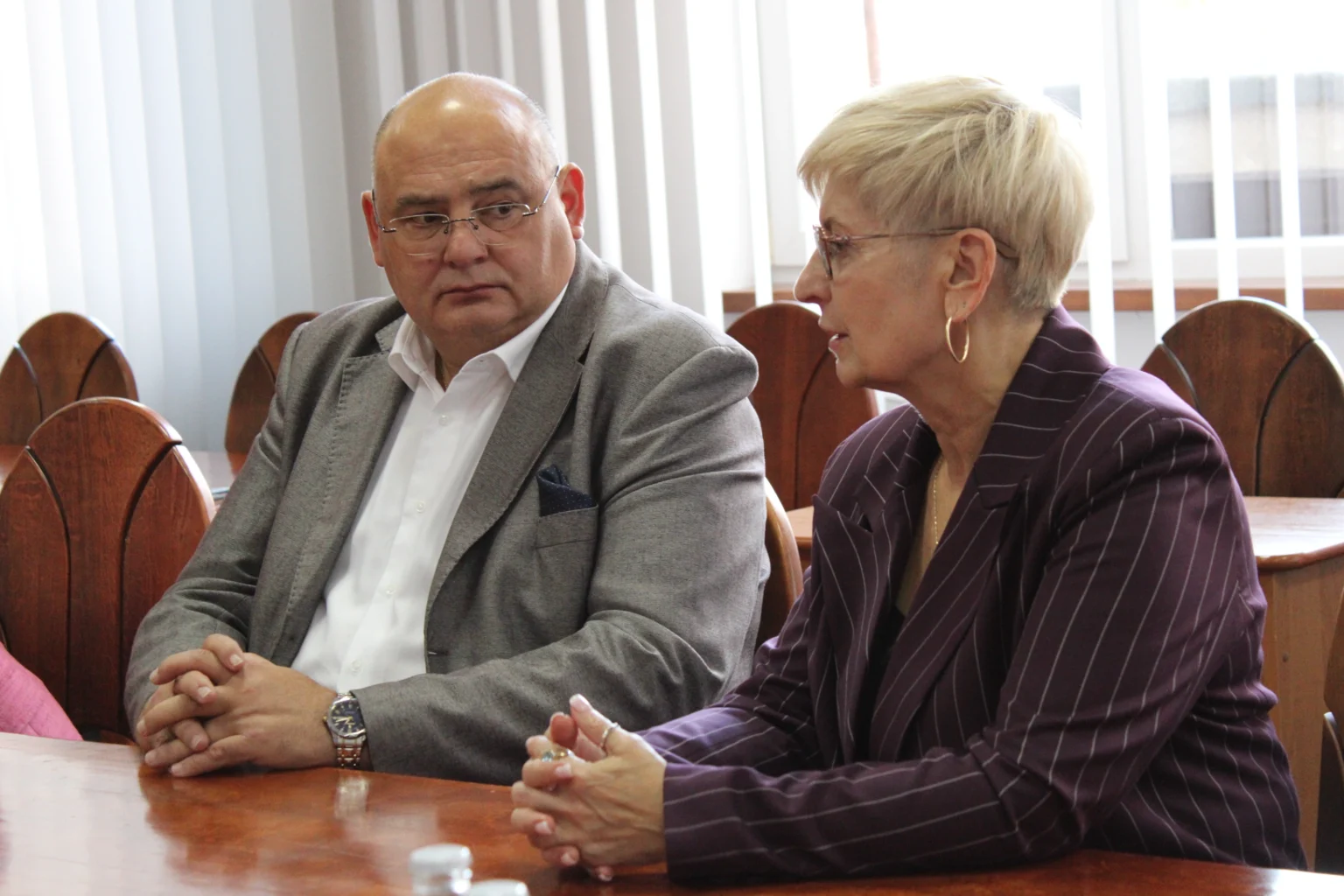
During the two-day visit, the Academy’s delegation met with key institutions in Frombork:
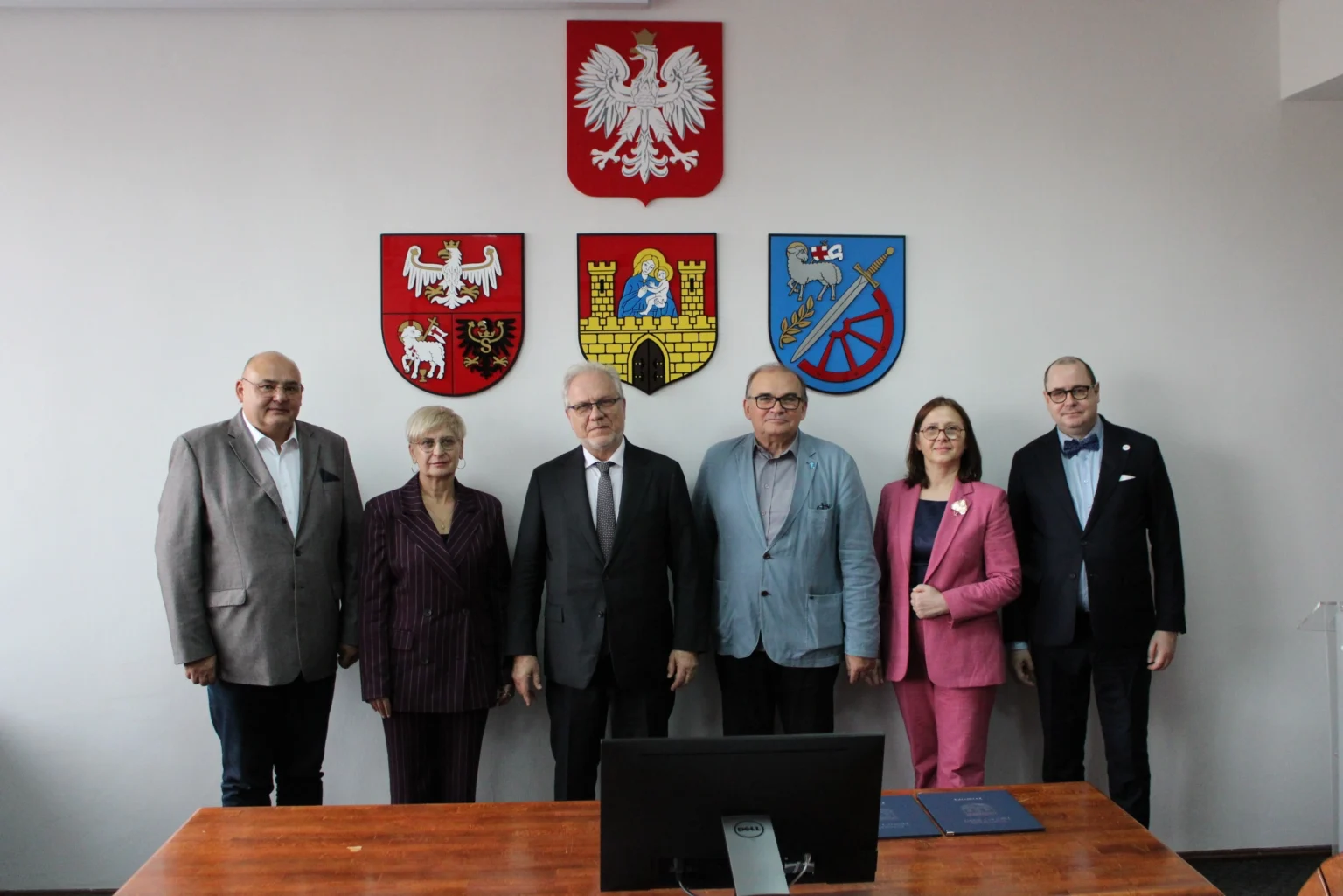
- Frombork City and Commune Office, where the delegation met local authorities and leaders involved in promoting Copernicus’s heritage.
- Mikołaj Kopernik School, welcomed by Principal Sylwia Mechlińska.
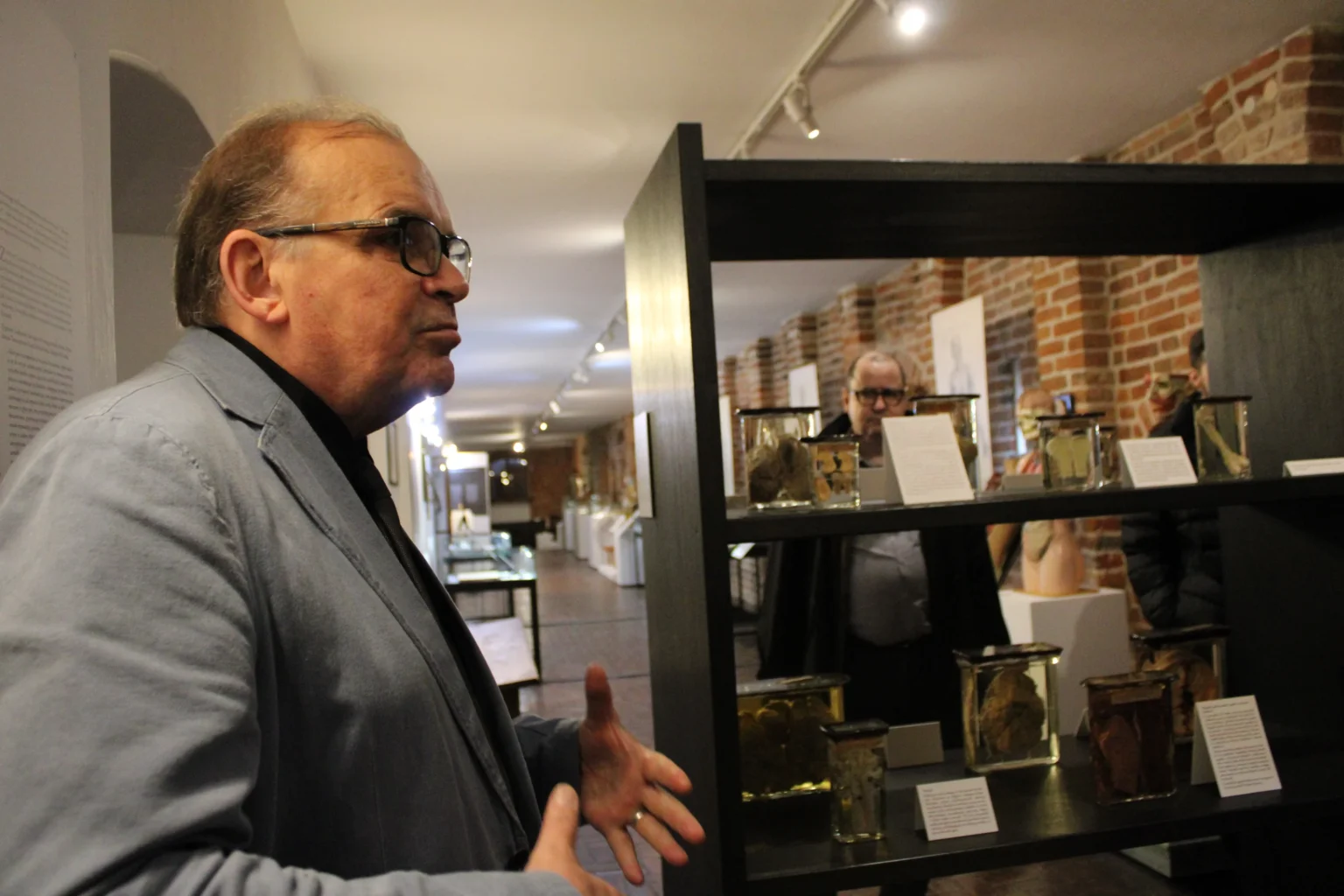
- Nicolaus Copernicus Museum, hosted by Director Anna Zienkiewicz and guided by Deputy Director Dr. Michał Górny and curator Jagoda Semków.
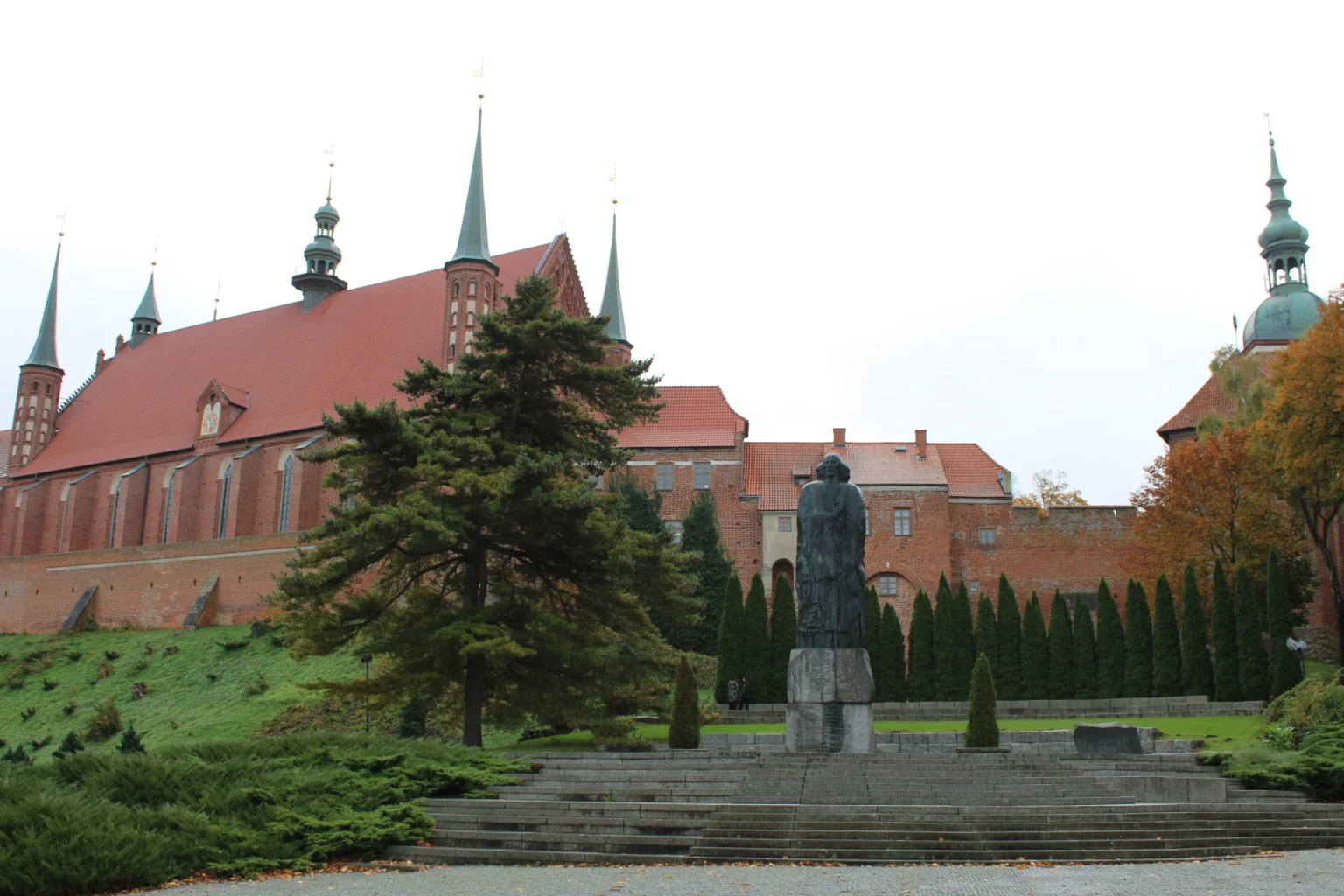
- Frombork Historical Monument Museum – Cathedral Complex, led by Fr. Dr. Jacek Wojtkowski, Director of the site.
Lecture Session
The joint effort by the Academy and Frombork institutions provided an opportunity to reflect on the development of space science and the participation of Polish researchers in international space exploration projects. The session also highlighted the history of the search for Copernicus’ grave and his ceremonial reburial in 2010.
Donations and Cooperation
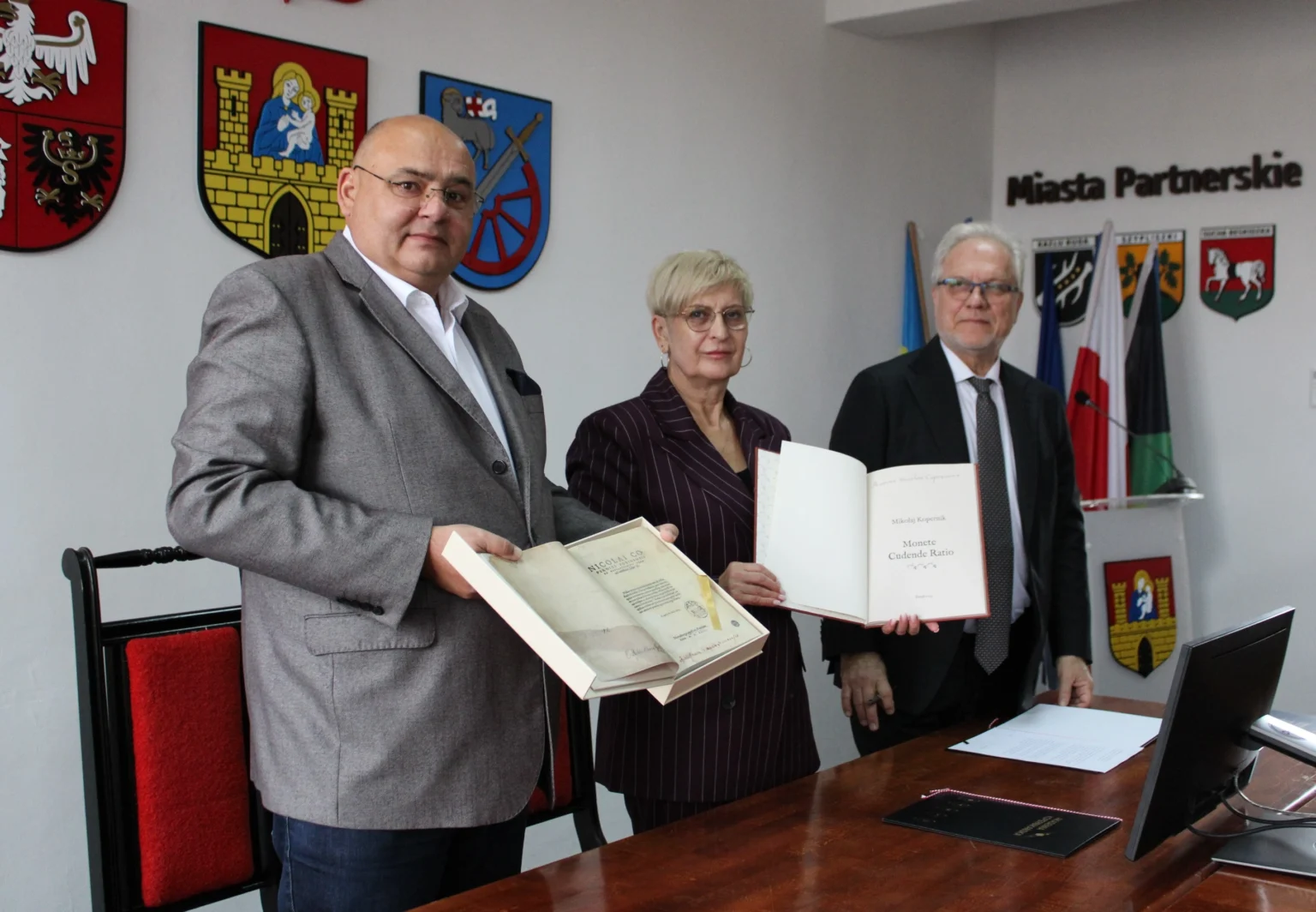
The school also received two sets of the exhibition ,,Nicolaus Copernicus: A Pilgrimage to the Stars”, consisting of eleven roll-up panels in Polish and English. The exhibition supports educational and outreach efforts, helping teach about the life and achievements of the great scientist.
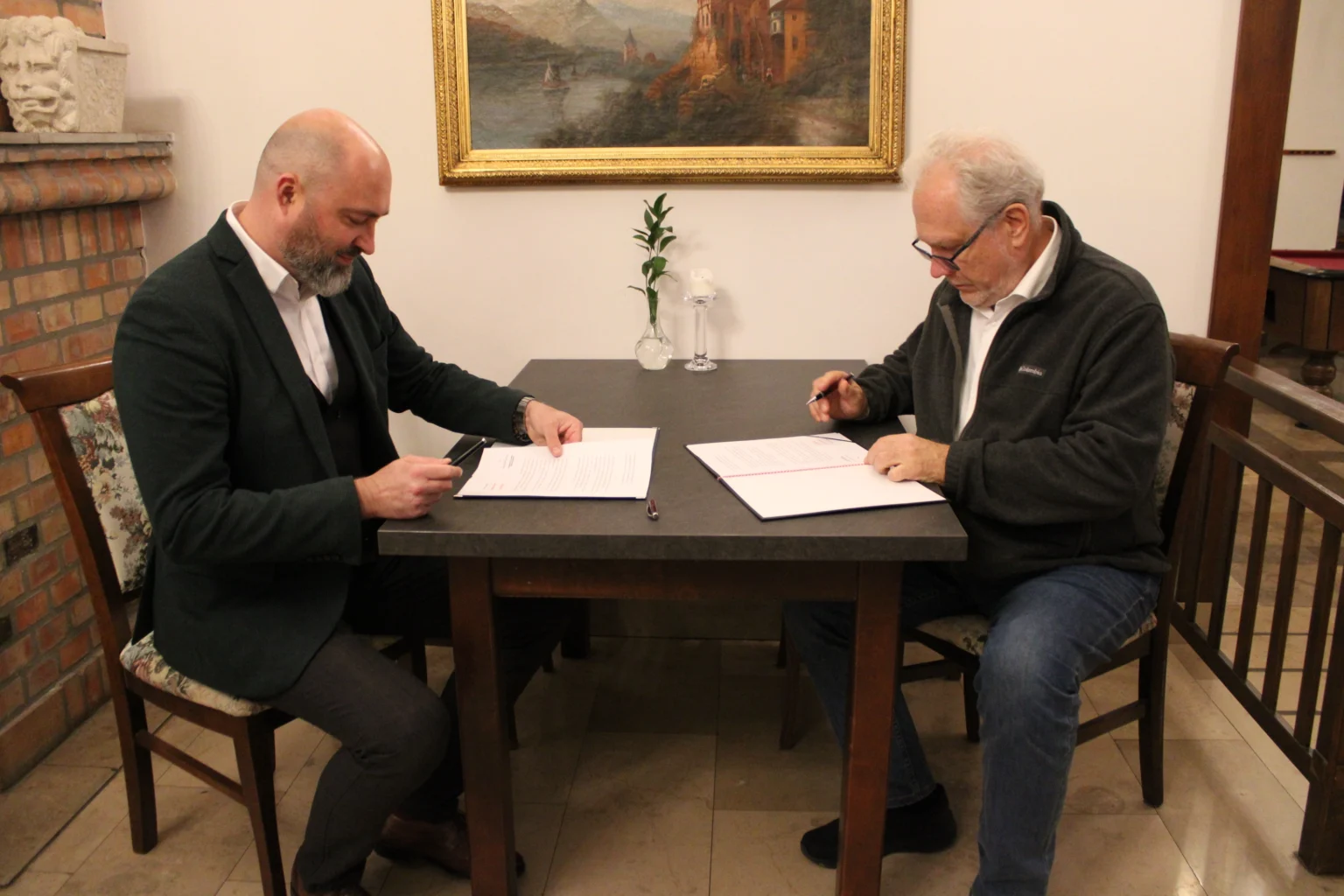
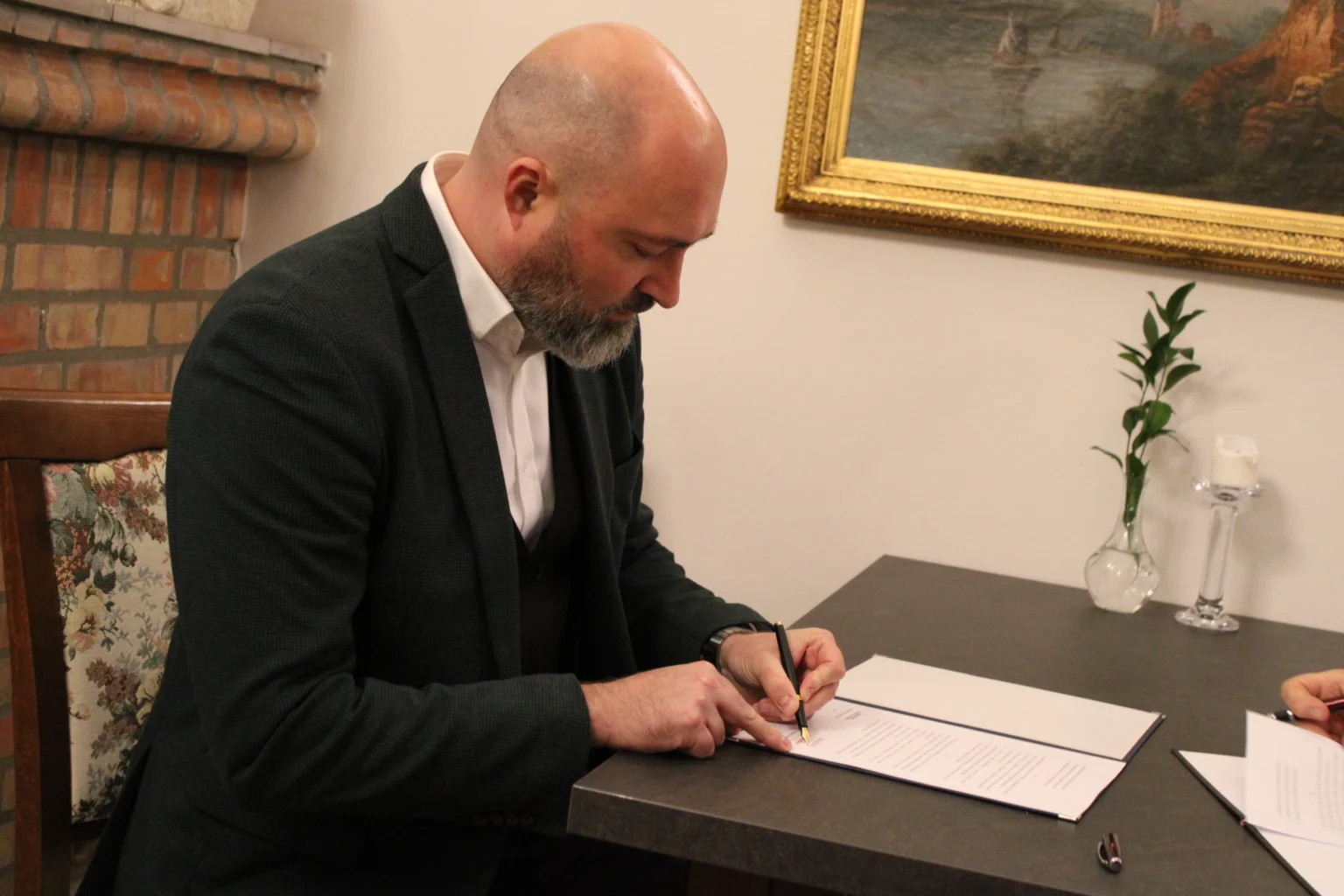
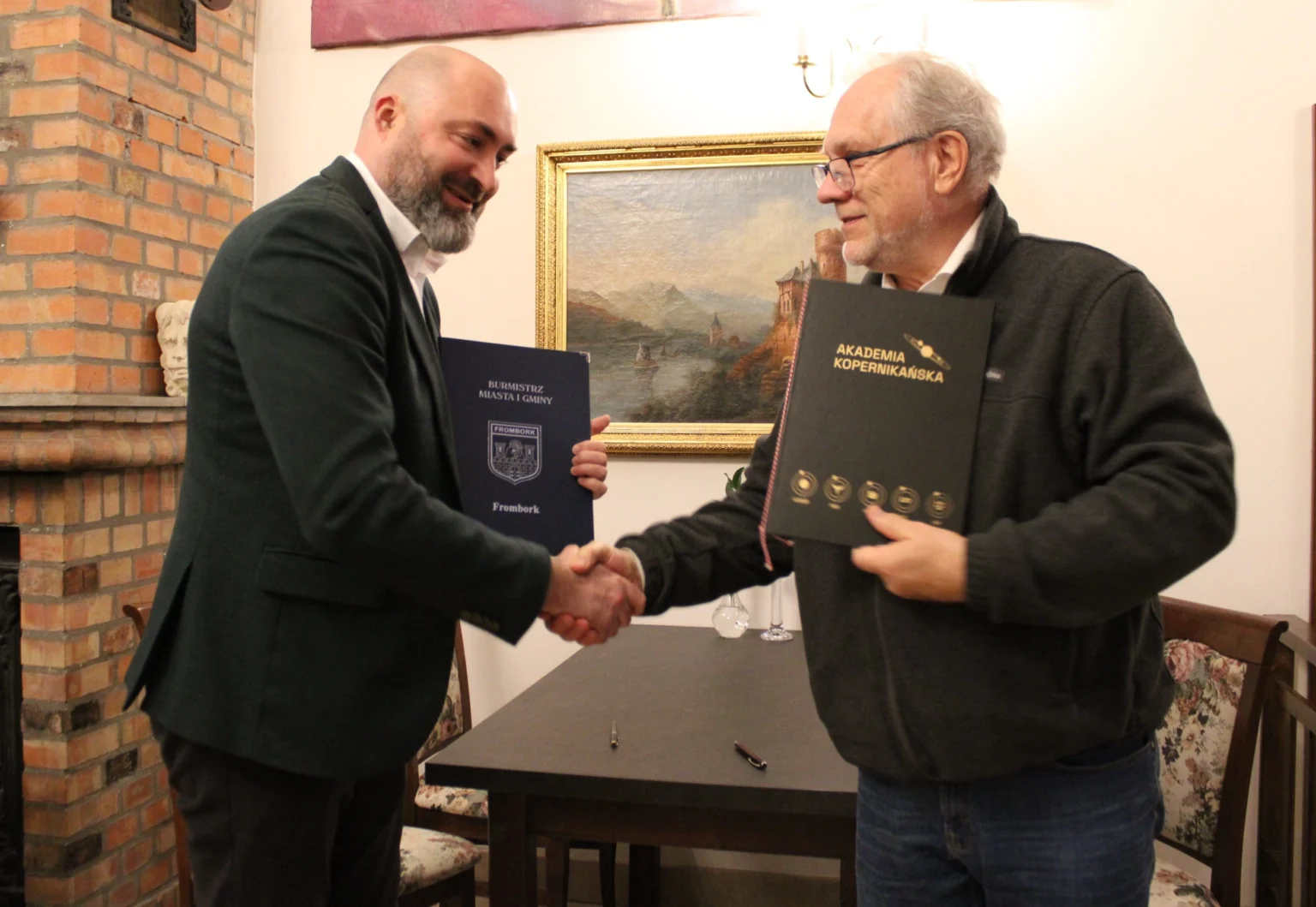
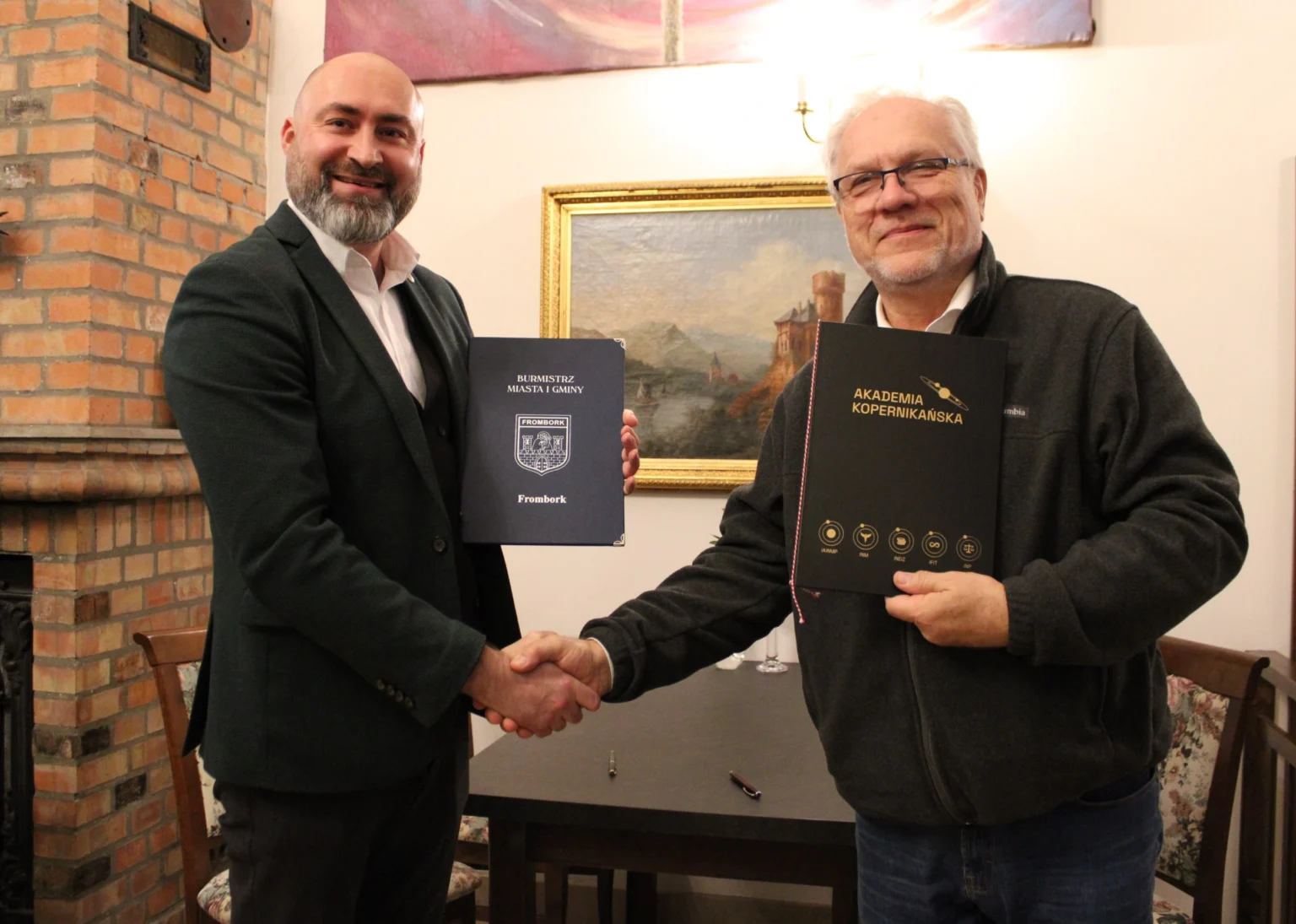
On the same day, the Academy and the City of Frombork formalized their partnership. Prof. Krzysztof M. Górski, Acting Secretary General of the Nicolaus Copernicus Academy and Mayor Damian Krasiński signed a Memorandum of Understanding (MOU) for cooperation in scientific, educational, and outreach activities. The MOU affirms the shared mission of both institutions to promote knowledge about Copernicus and develop initiatives highlighting Polish science and cultural heritage. The city organizes numerous events throughout the year celebrating Copernicus, and the Academy will actively participate in these projects.
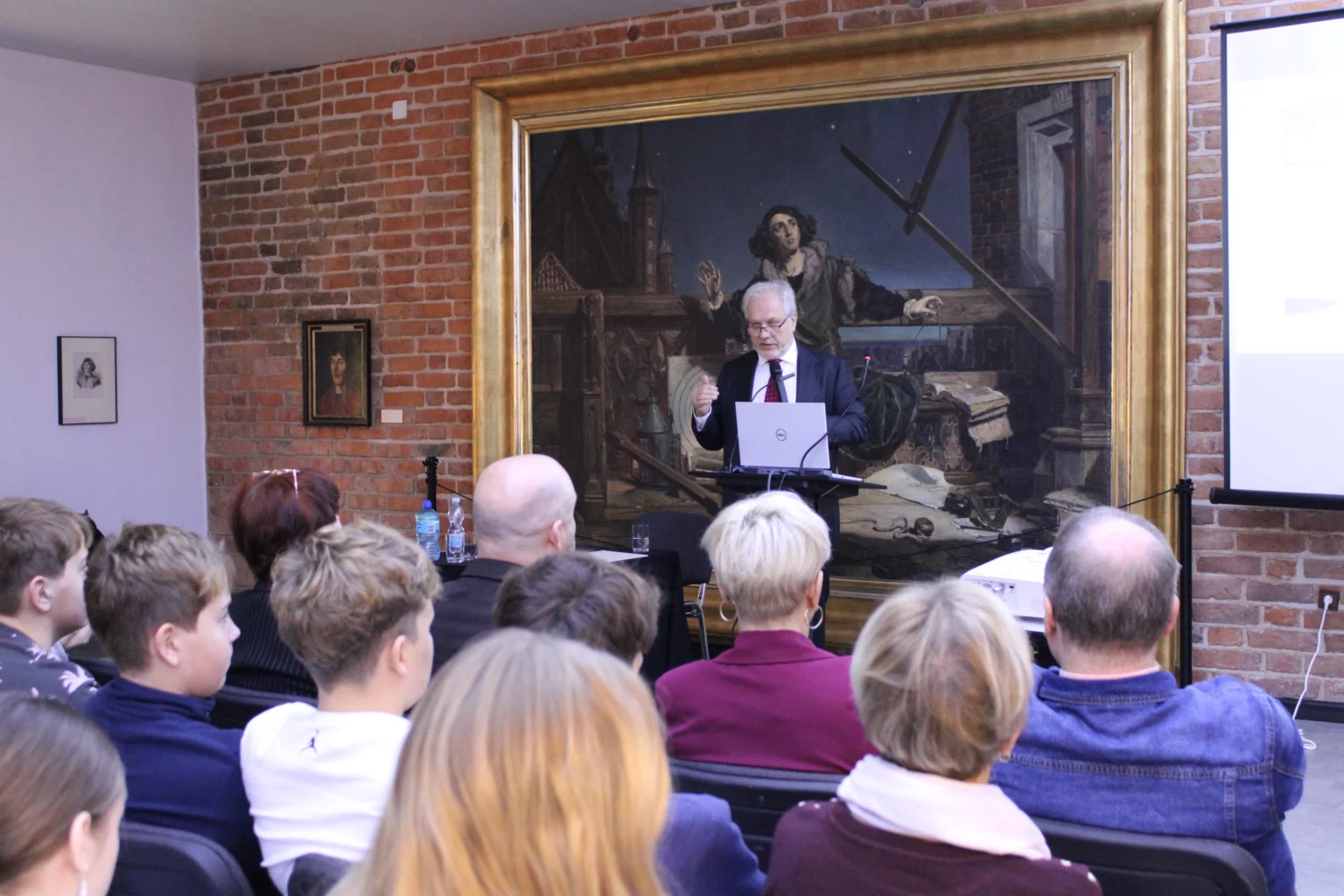
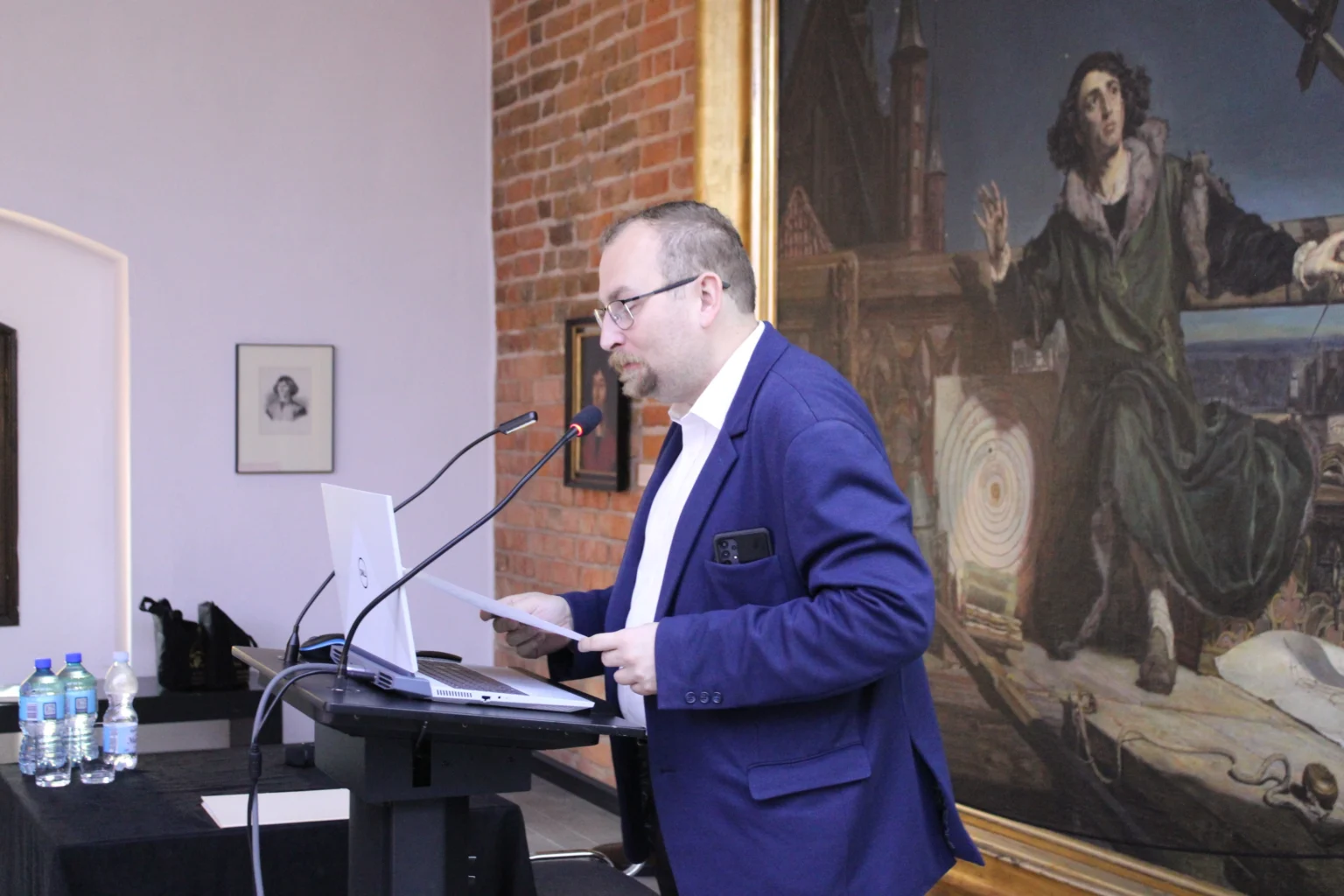
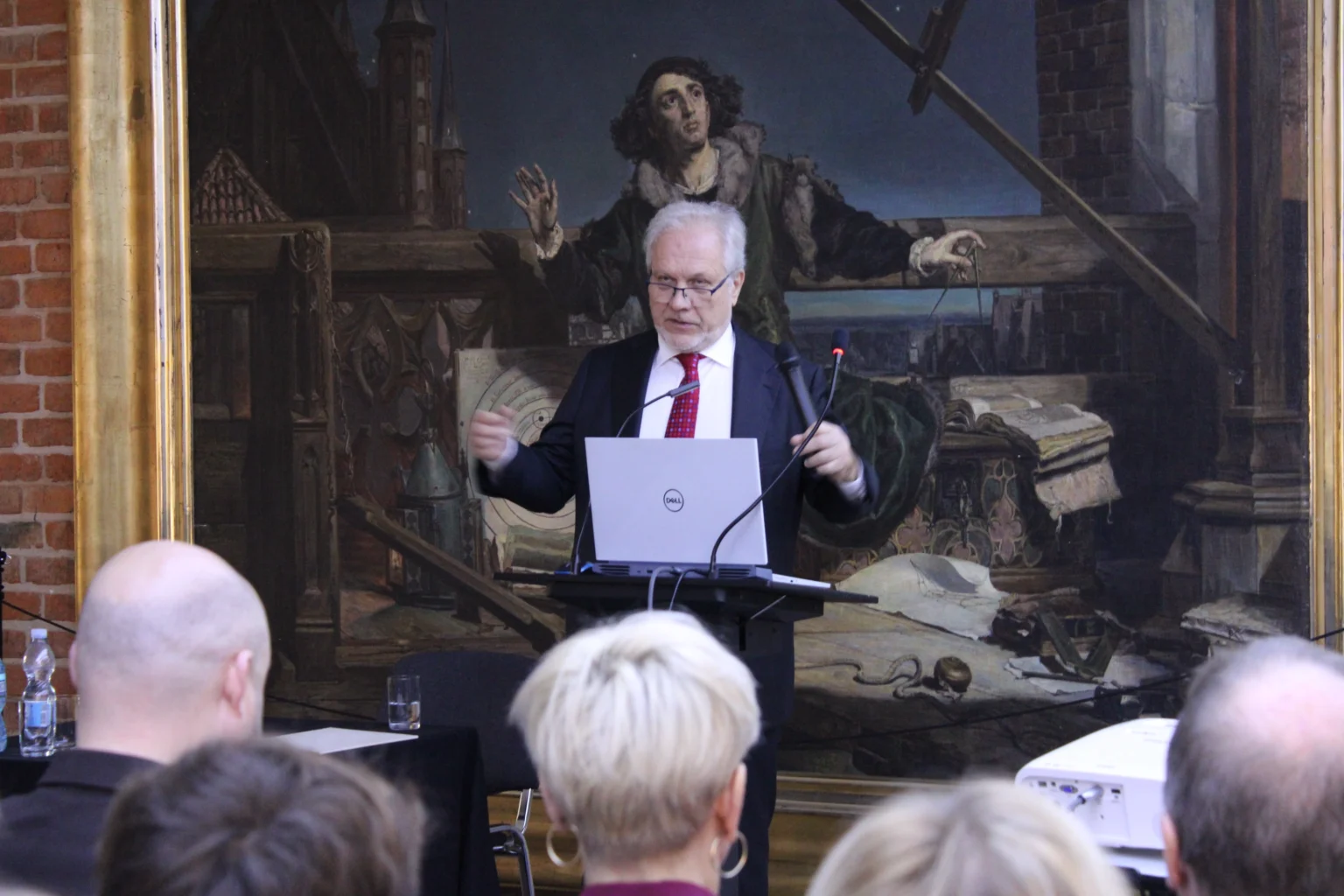
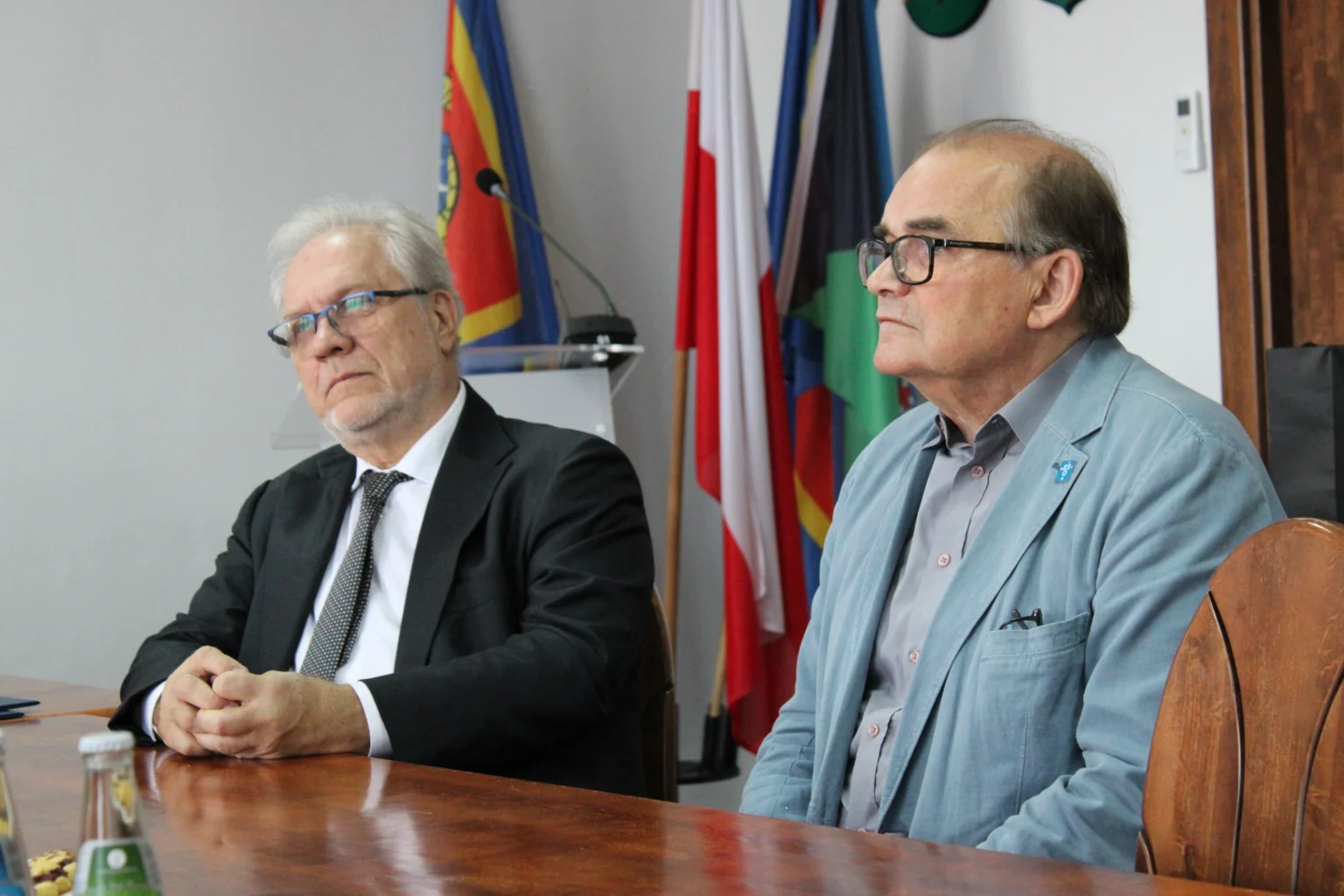
The first joint initiative under the MOU was a lecture session featuring two Academy members and the curator of the Nicolaus Copernicus Museum in Frombork.
Shared Goals
We invite you to join the next stops along the Copernicus trail!
Lecture Session
Not Just an Astronomer – Who Nicolaus Copernicus Really Was
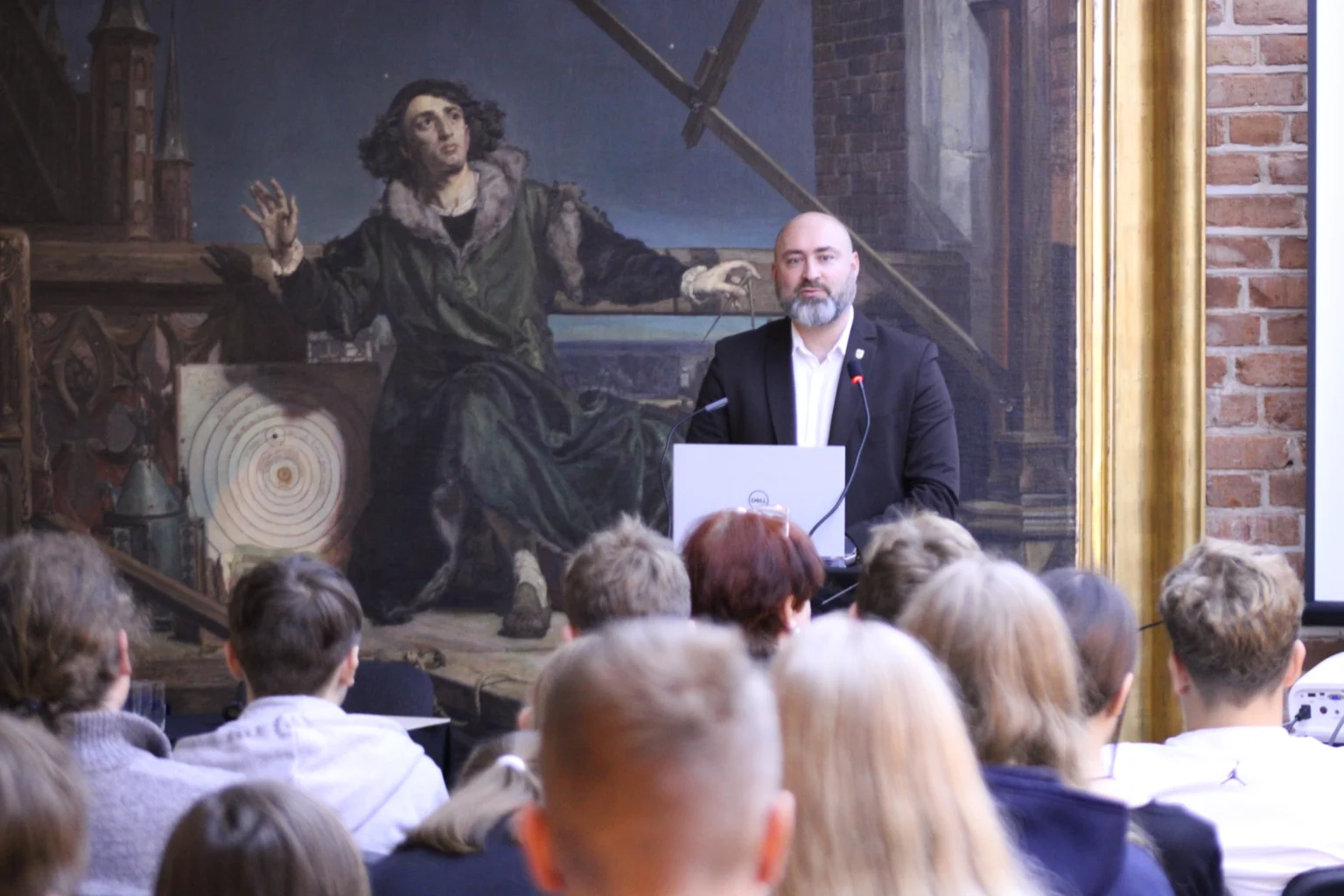
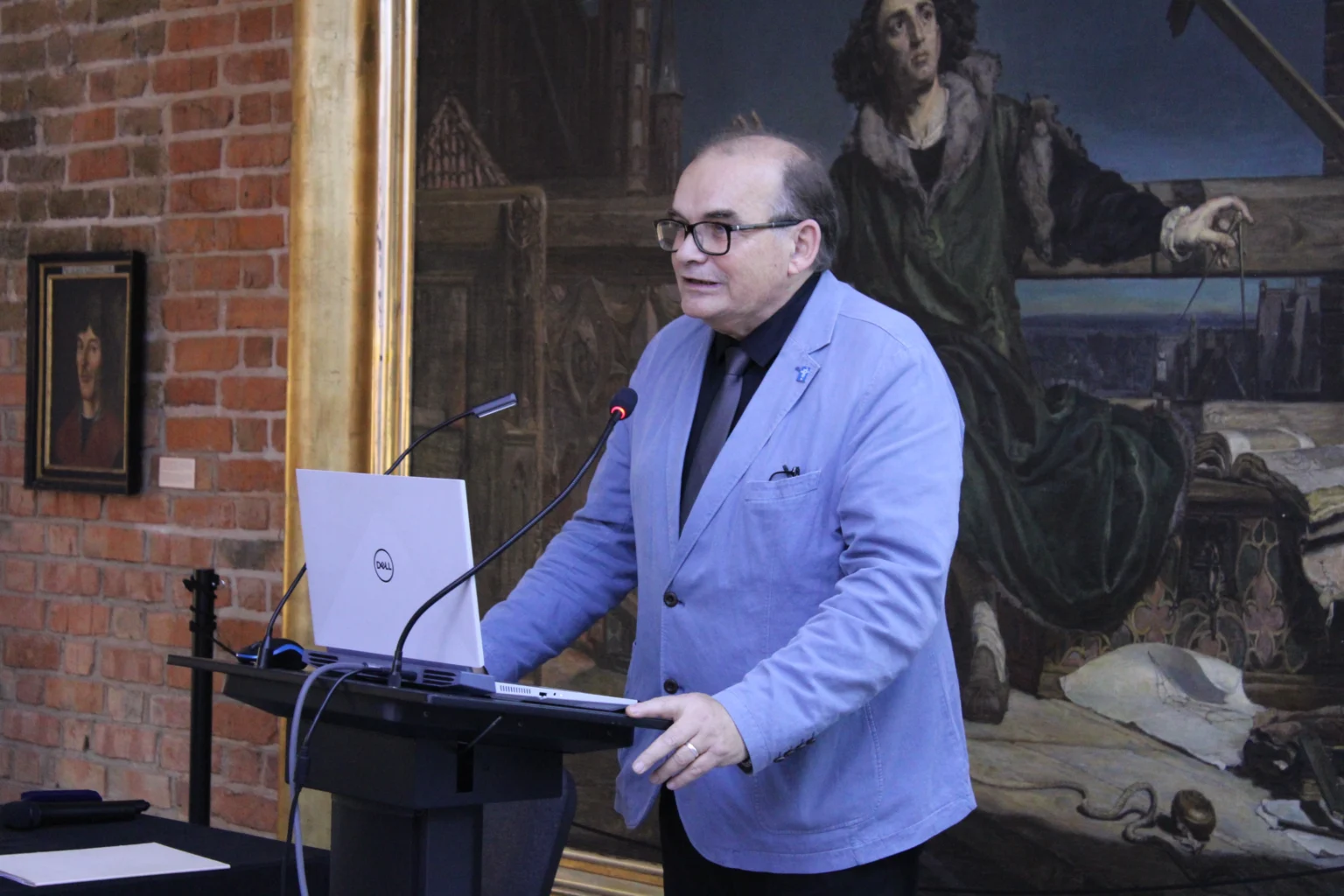
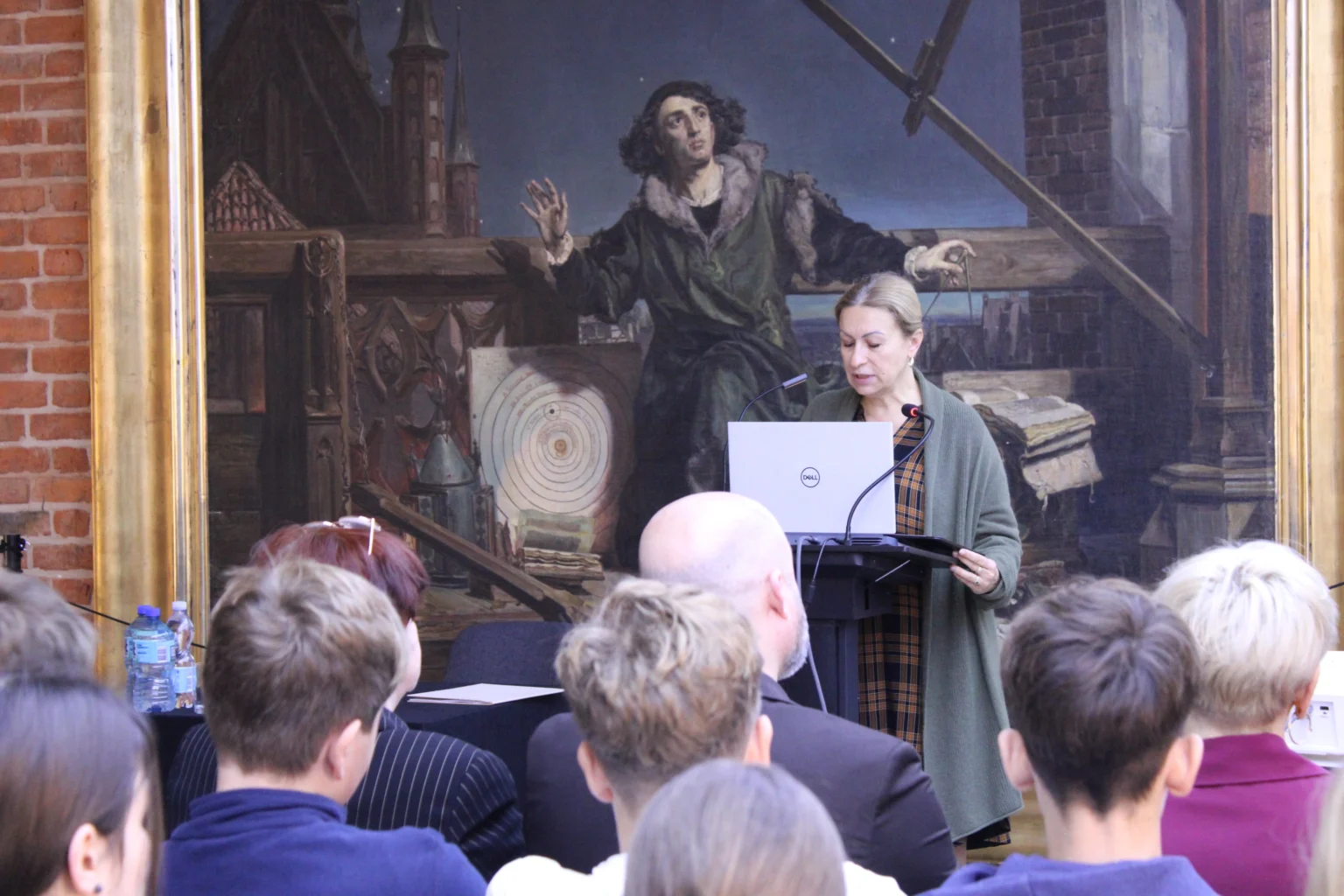
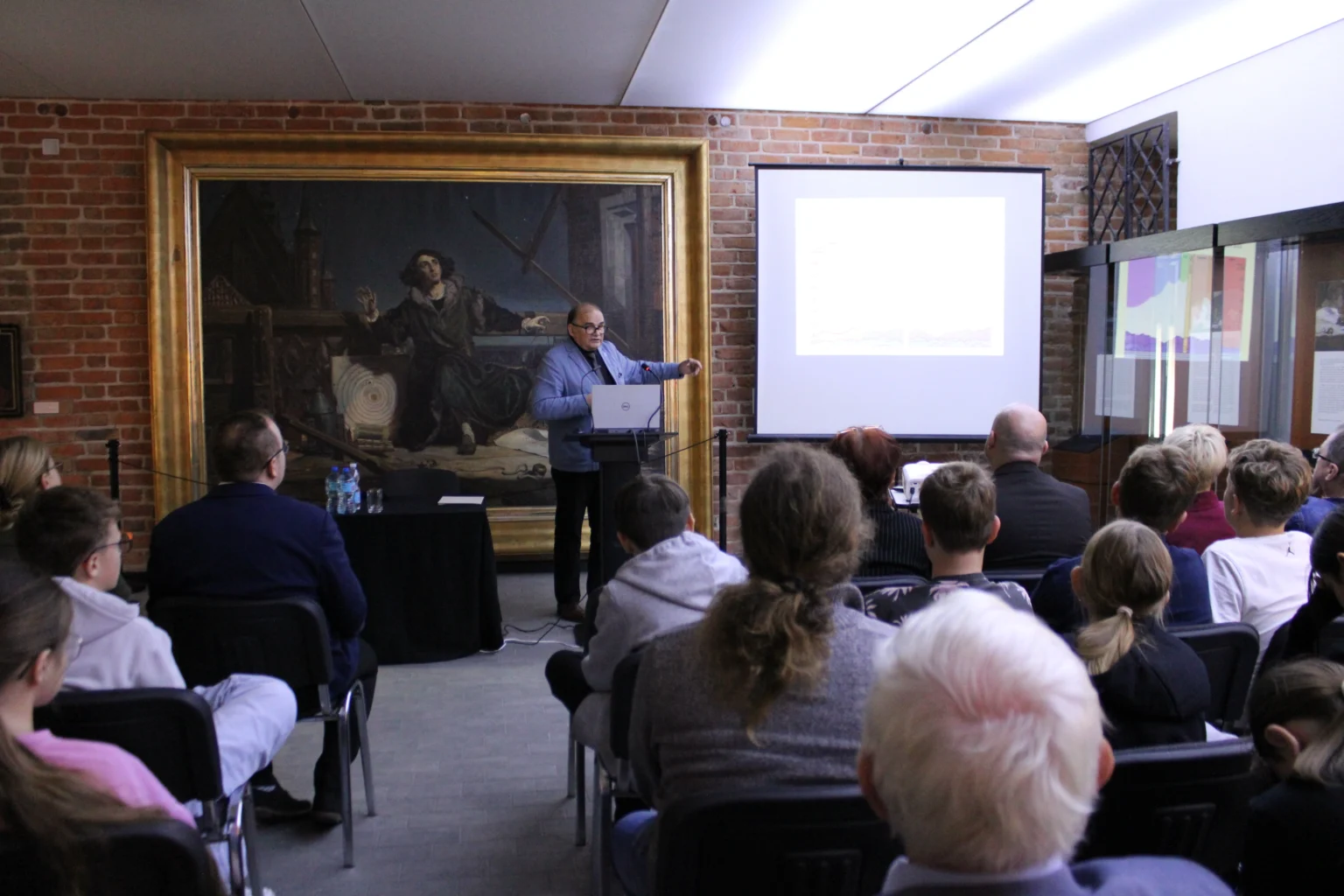
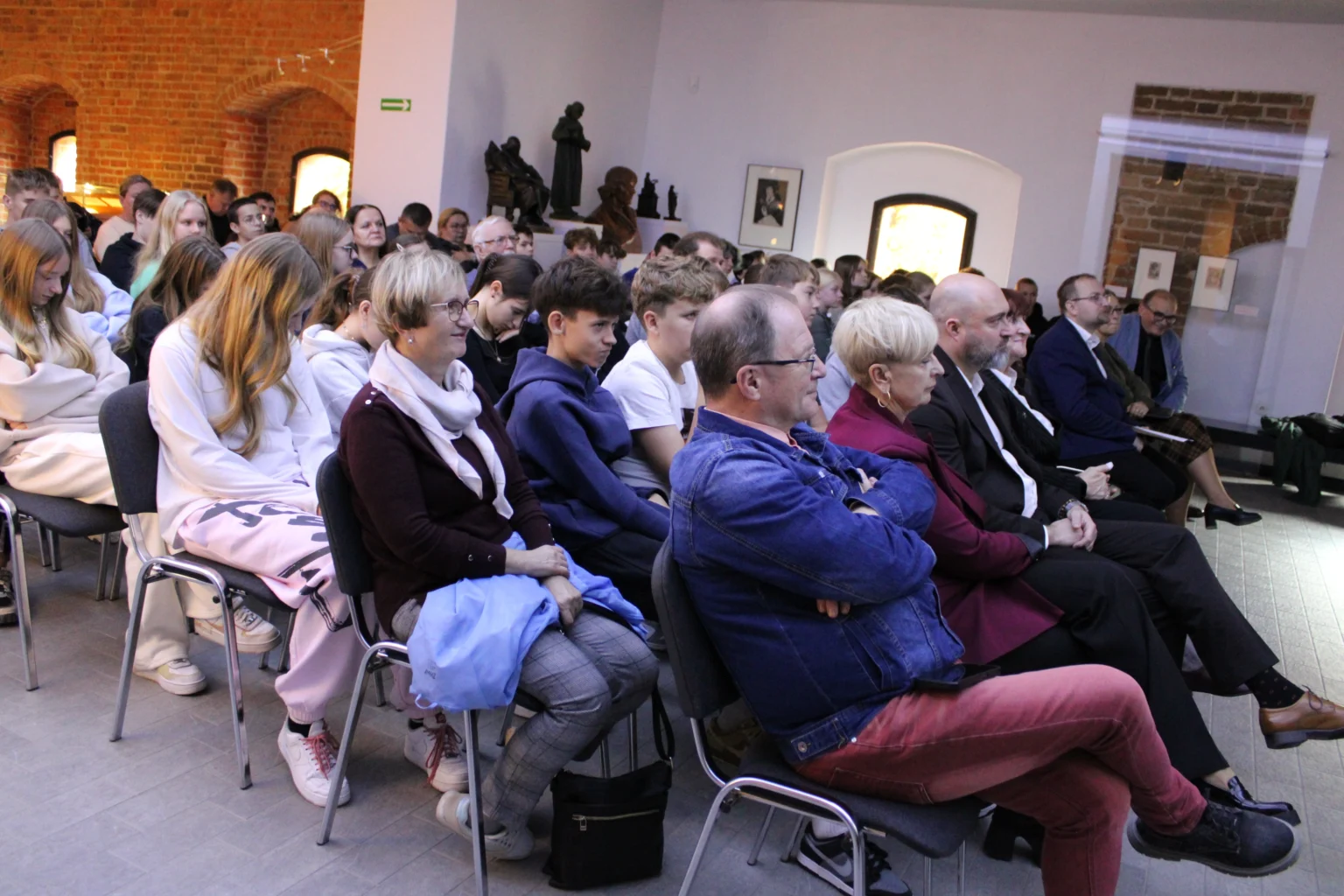
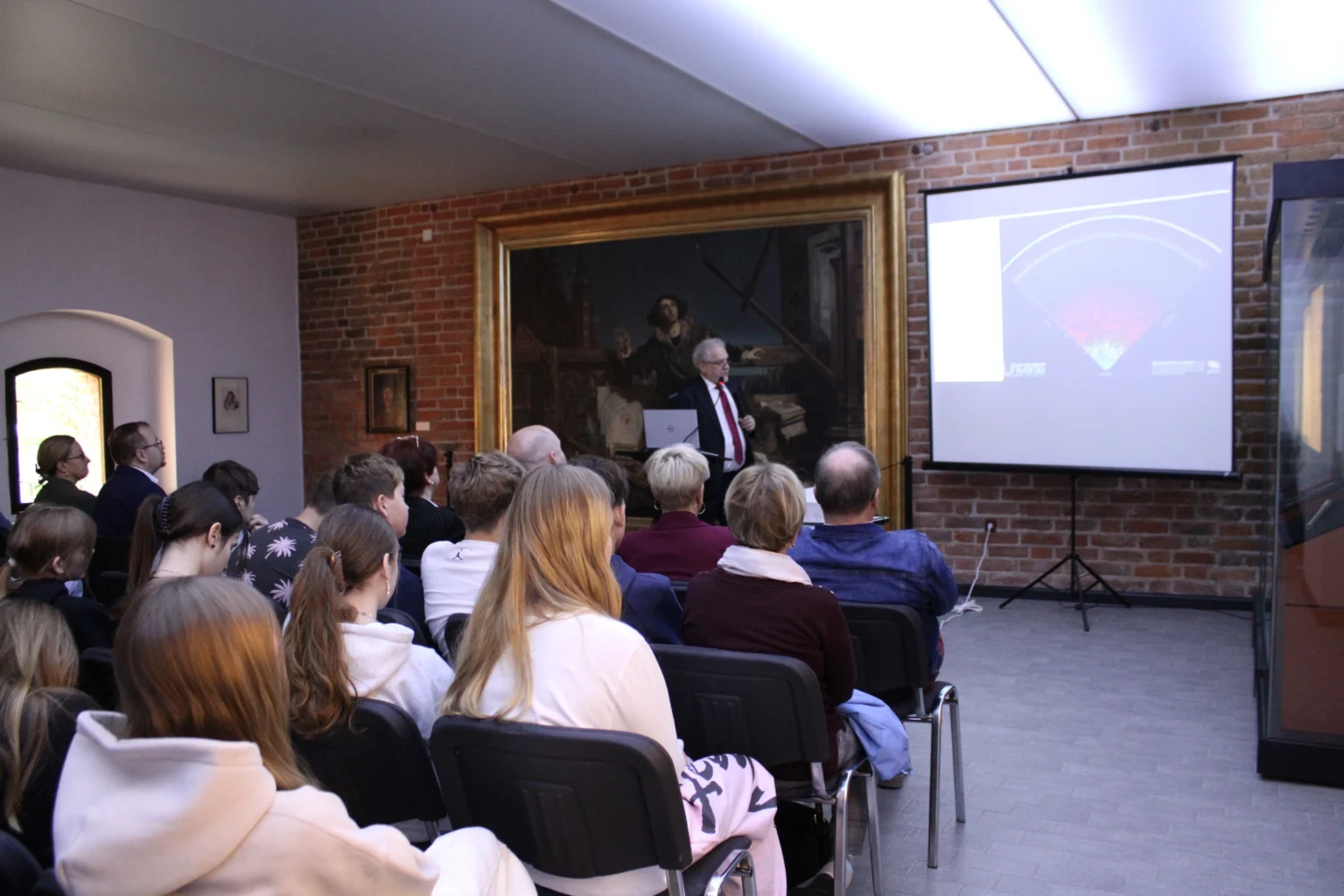
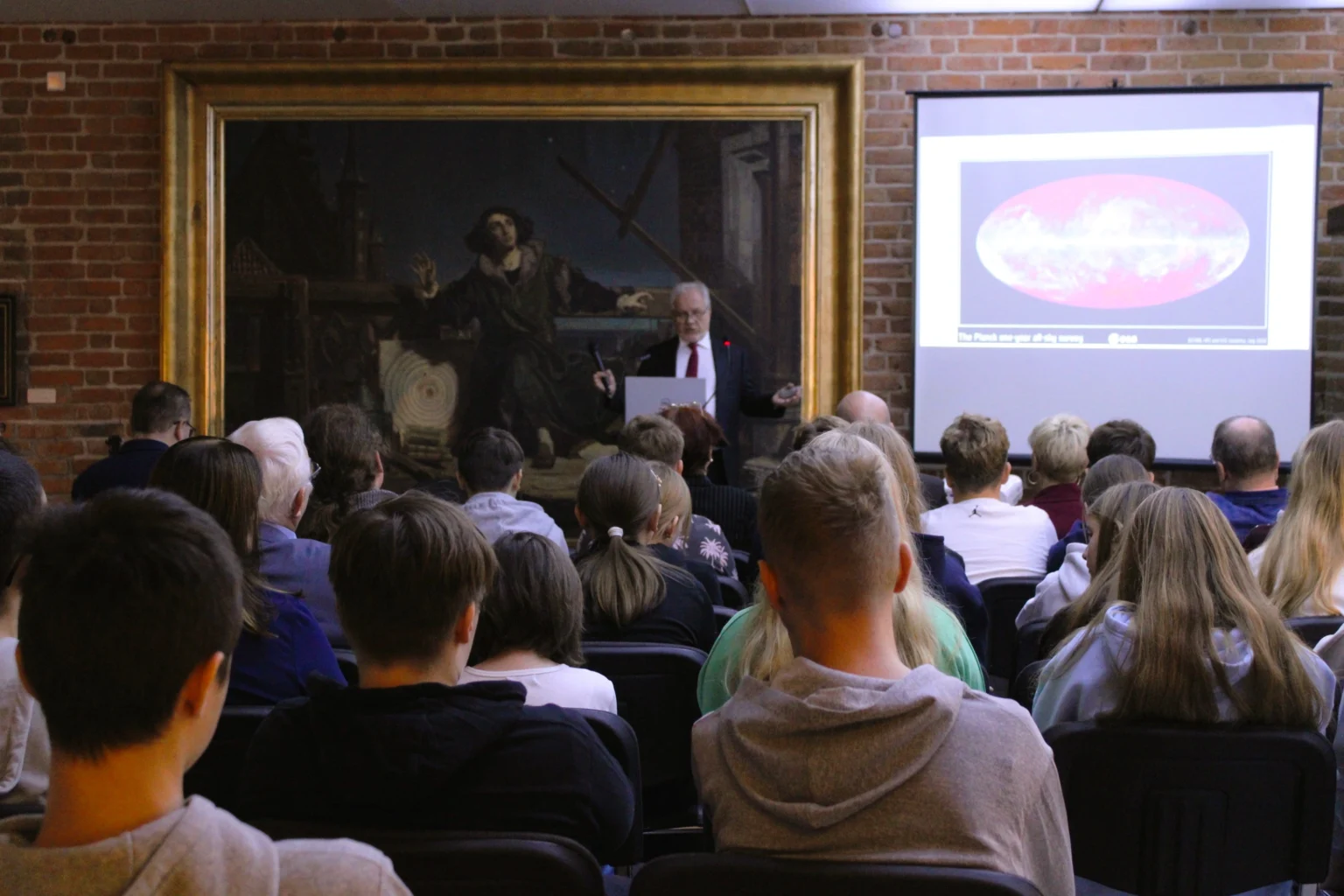
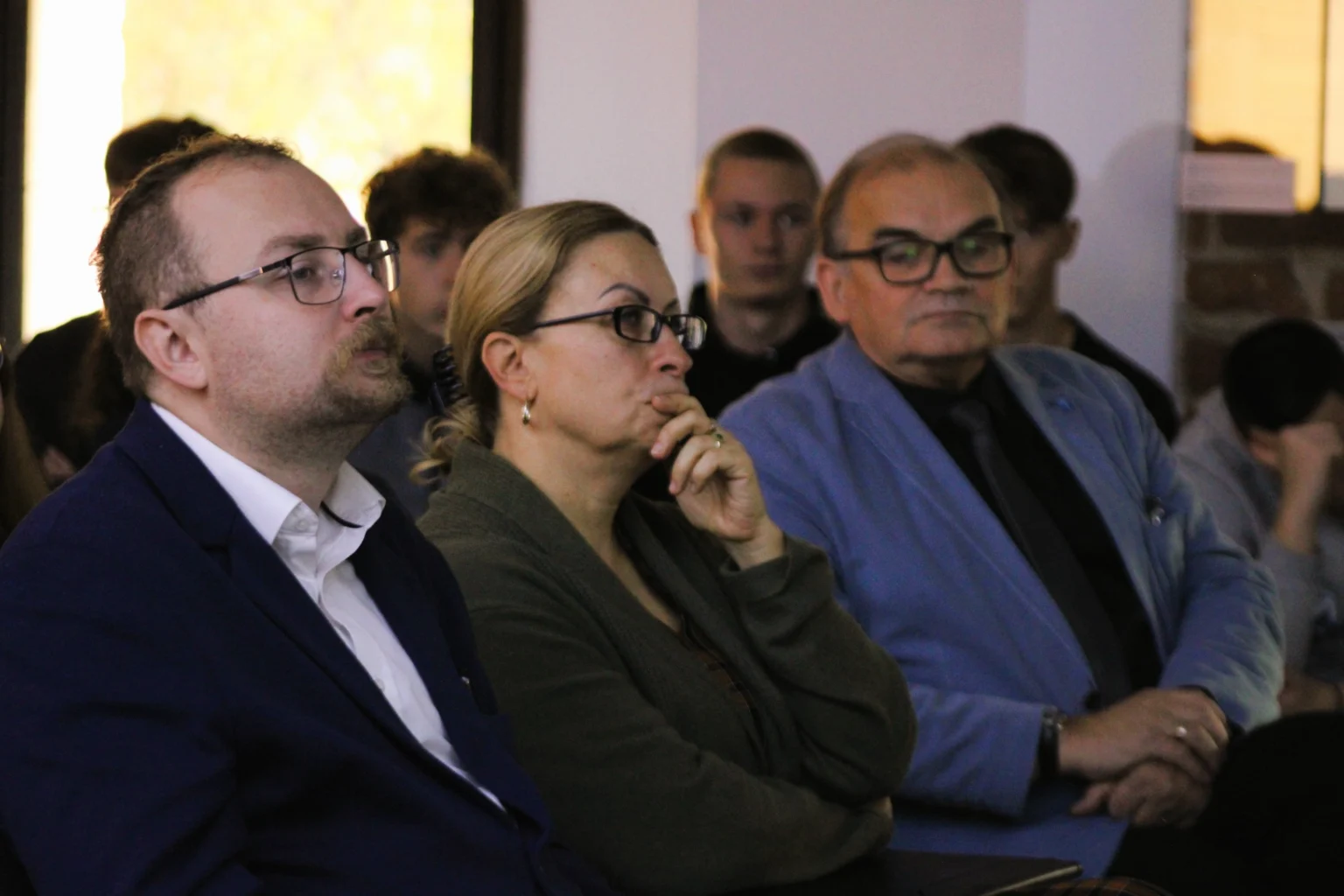
On October 16, Ms. Anna Zienkiewicz, Director of the Nicolaus Copernicus Museum in Frombork, opened the meeting. The lecture session featured two astronomy professors from the Copernican Academy and a museum representative. The talks, aimed at a general audience, focused on Copernicus not only in the context of contemporary astronomy but also on the museum’s research into his grave and reburial. Dr. Michał Górny moderated the session.
The Mayor of Frombork, Mr. Damian Krasiński, gave the opening remarks, emphasizing the enduring significance of Copernicus’s legacy for modern science: