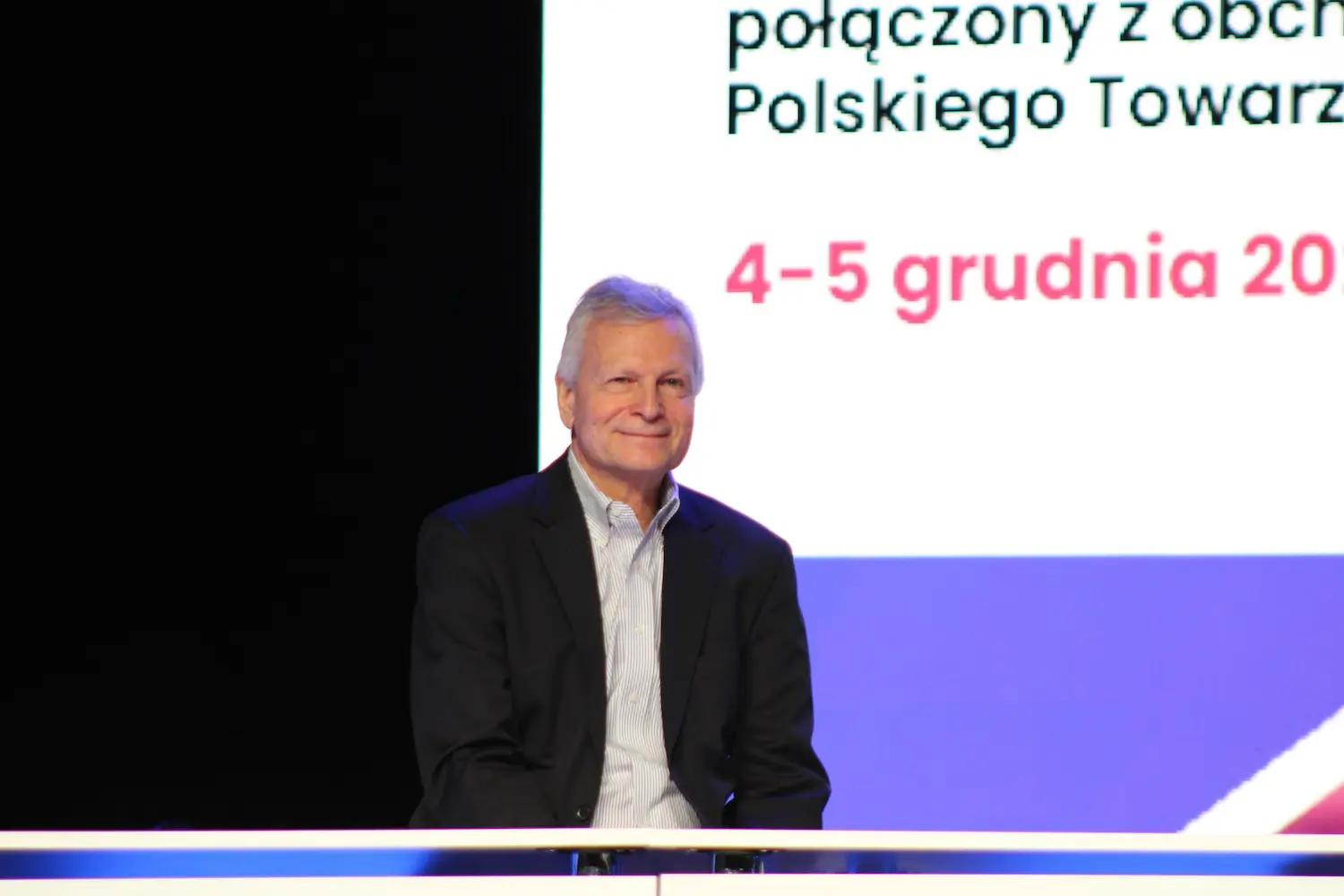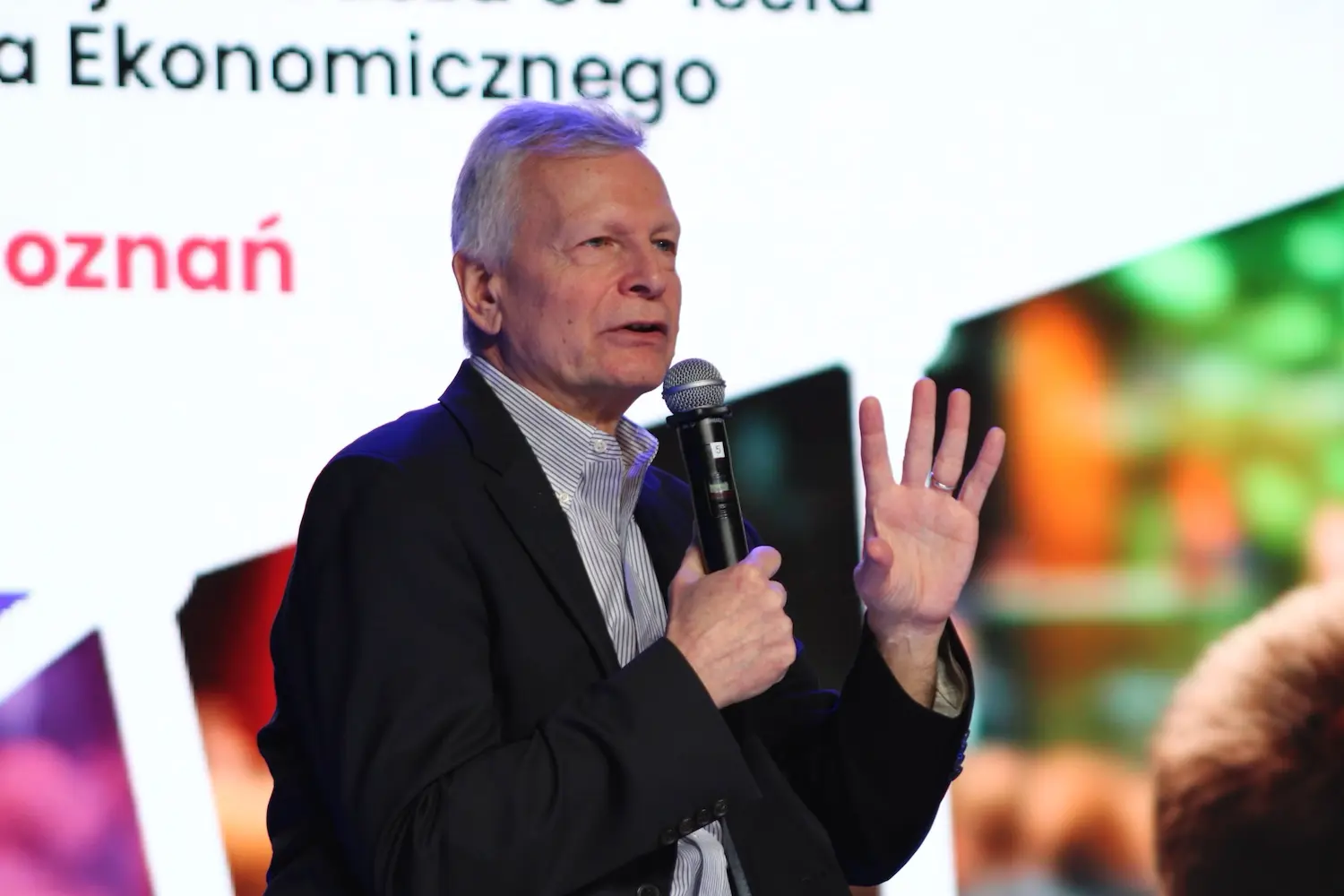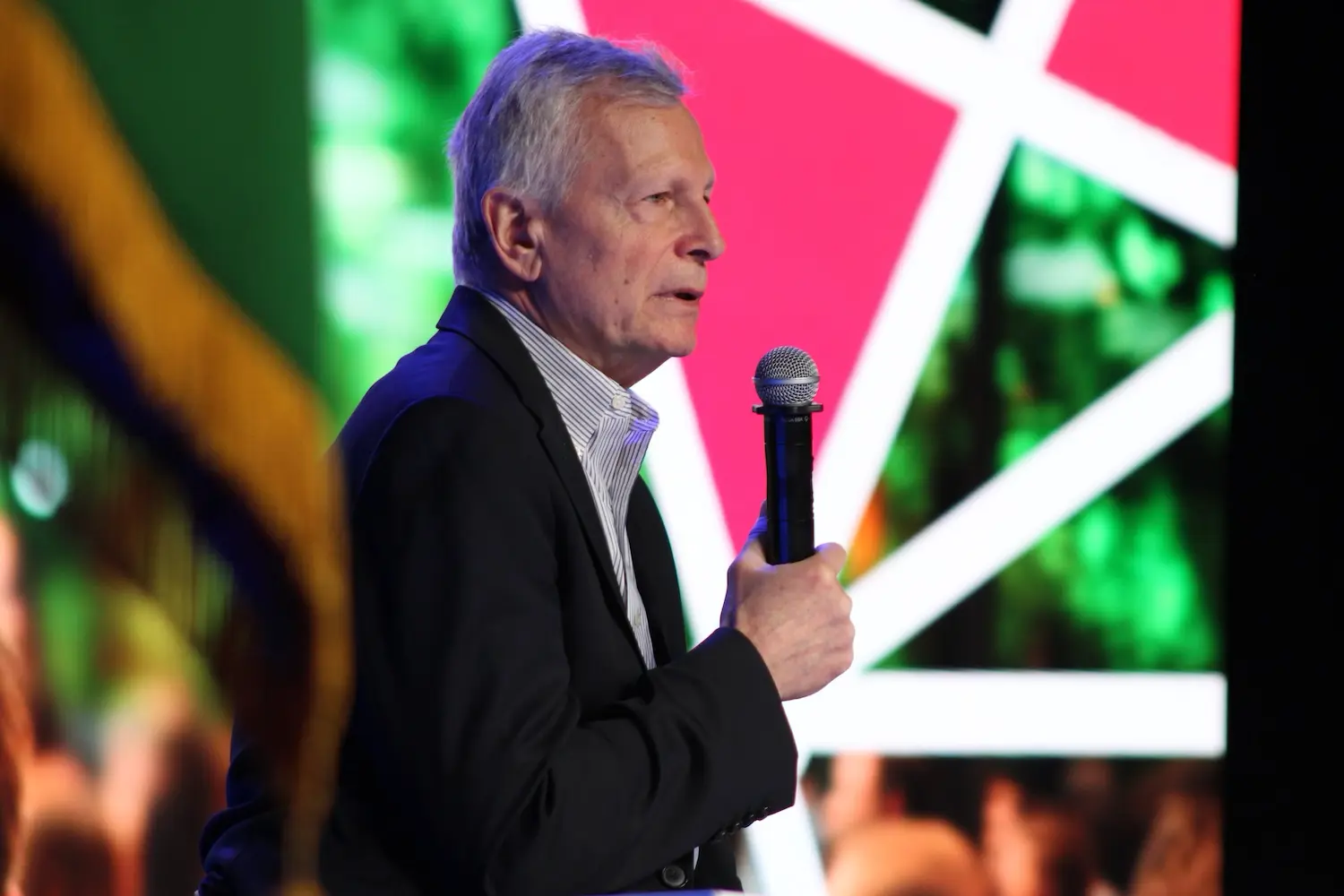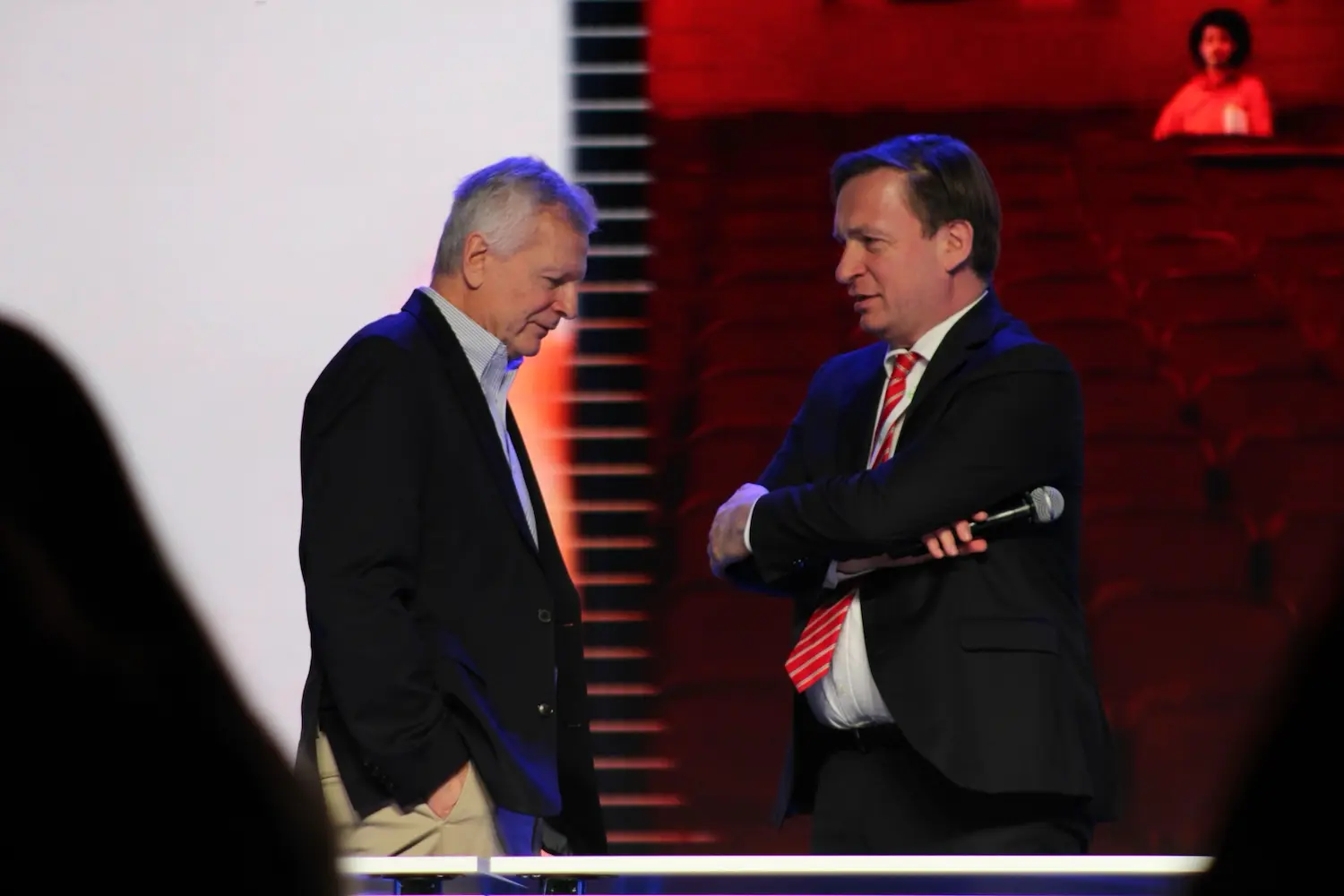
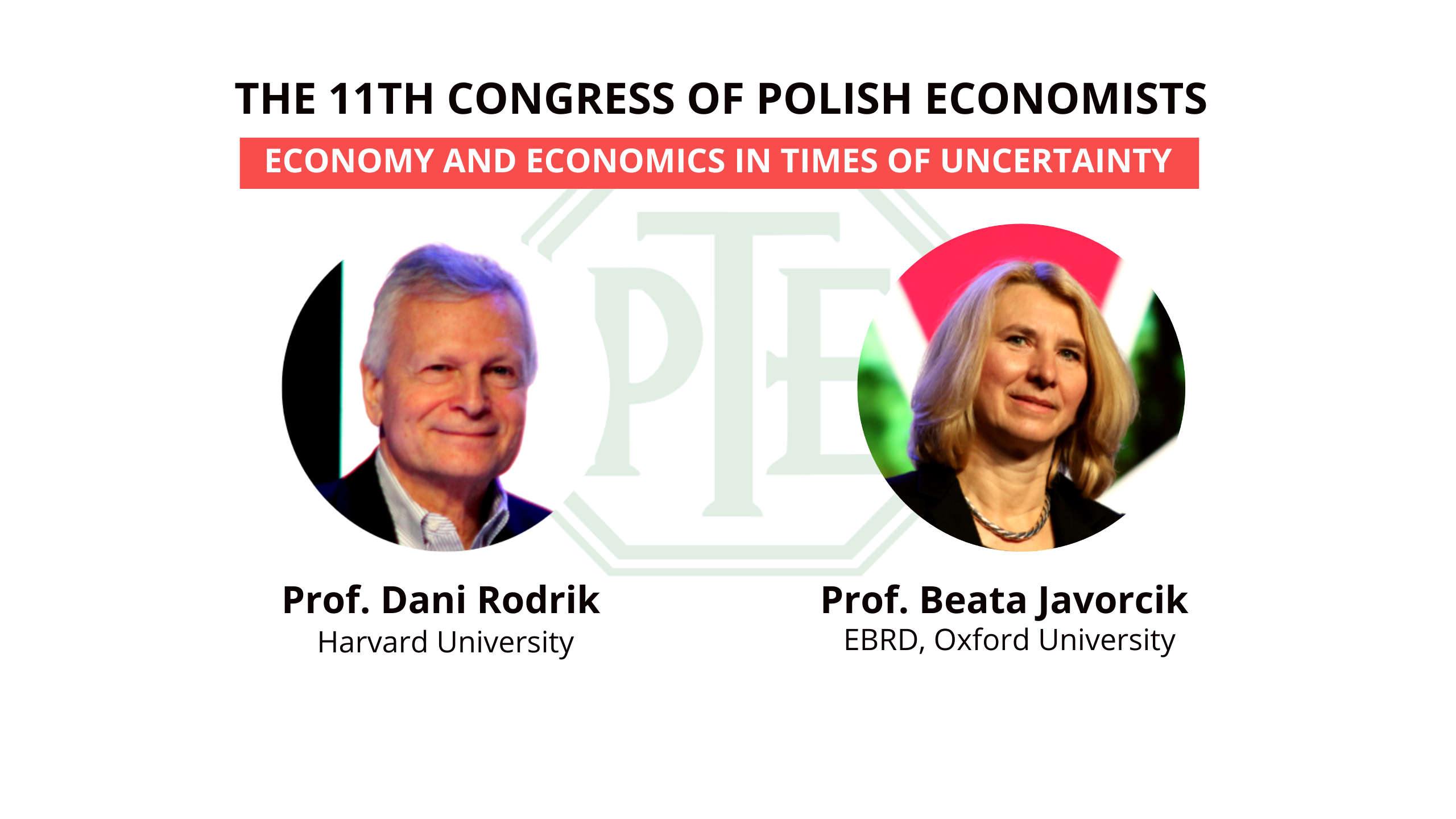
The 11th Congress of Polish Economists offered an opportunity to view contemporary economics through the eyes of world-class experts. The event’s honorary guests were Professor Dani Rodrik of Harvard University and Professor Beata Javorcik of the University of Oxford and the European Bank for Reconstruction and Development.
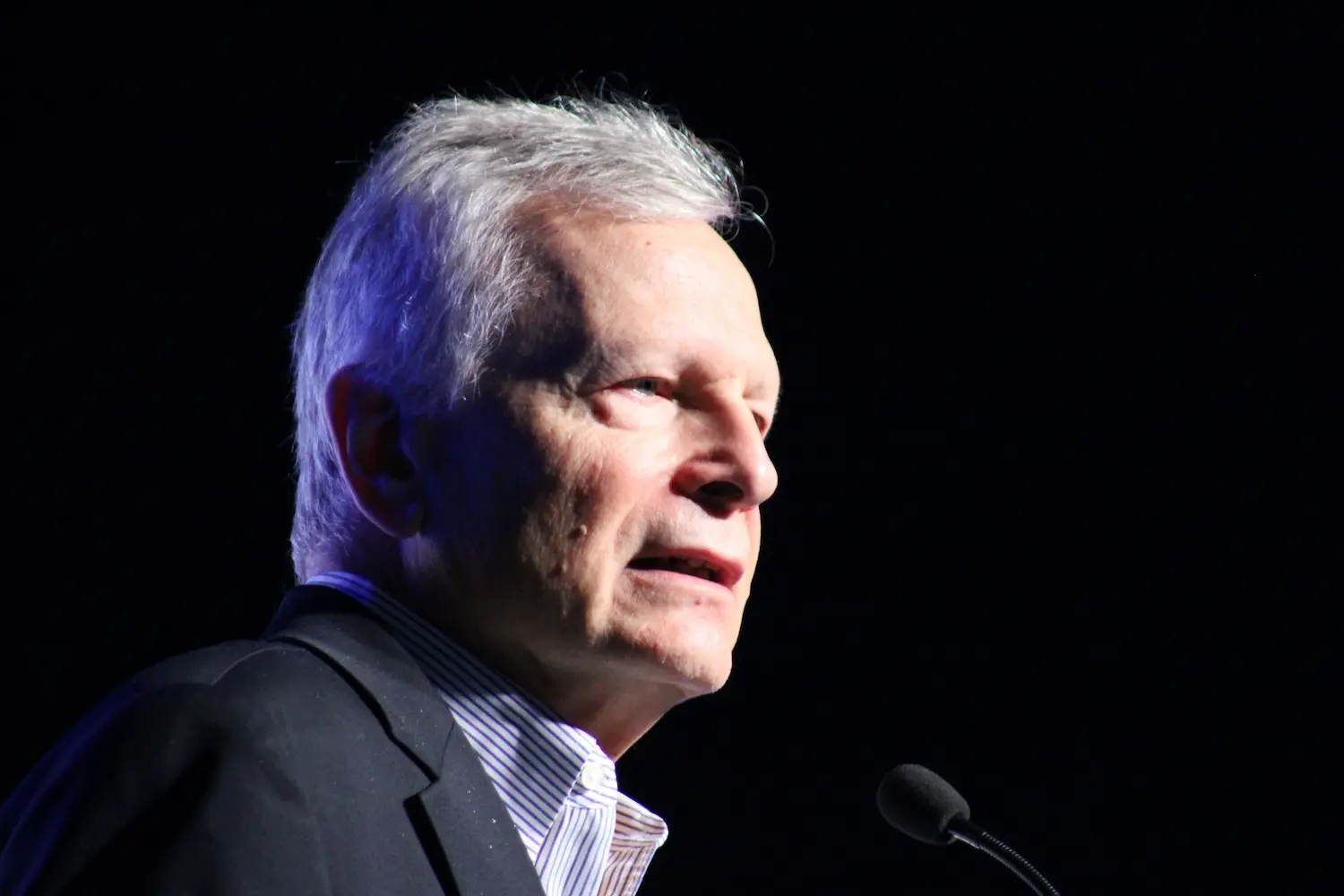
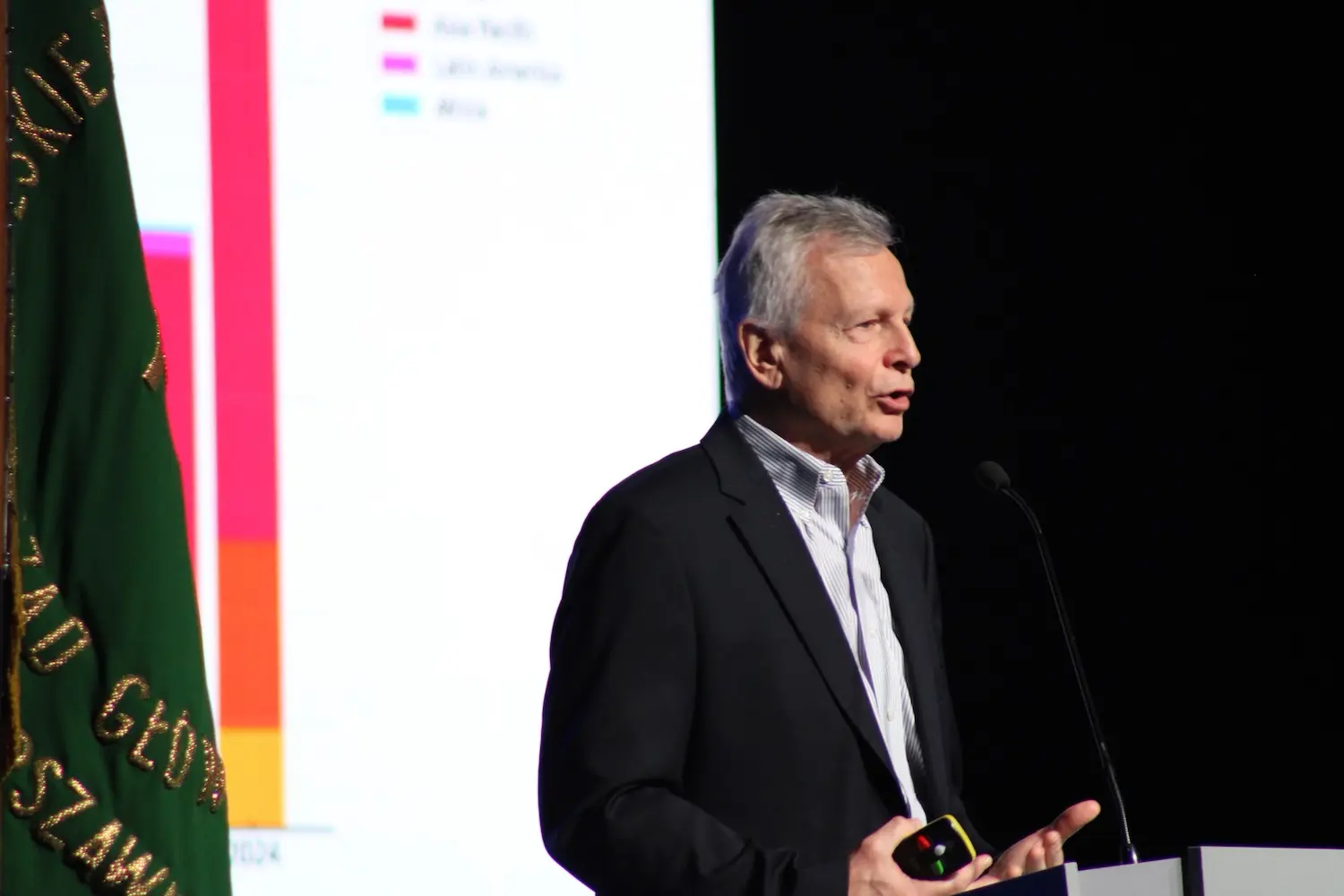
Professor Dani Rodrik, a leading scholar of international and political economy, spoke about pragmatism and industrial policy in a “fractured world.” He argued that economics should remain grounded in real economic life rather than confined to abstract models.
He identified three fundamental challenges facing today’s global economy—climate change, the rebuilding of the middle class, and economic development in poor countries—and stressed that all three require structural transformation, innovation, and local, pragmatic solutions. In his view, effective economics depends on cooperation among the state, business, and local initiatives, as well as on industrial policy that does not leave the fate of the economy solely to market forces.
“Three key challenges—climate change, rebuilding the middle class, and economic development—require a fundamental transformation of our economies.”
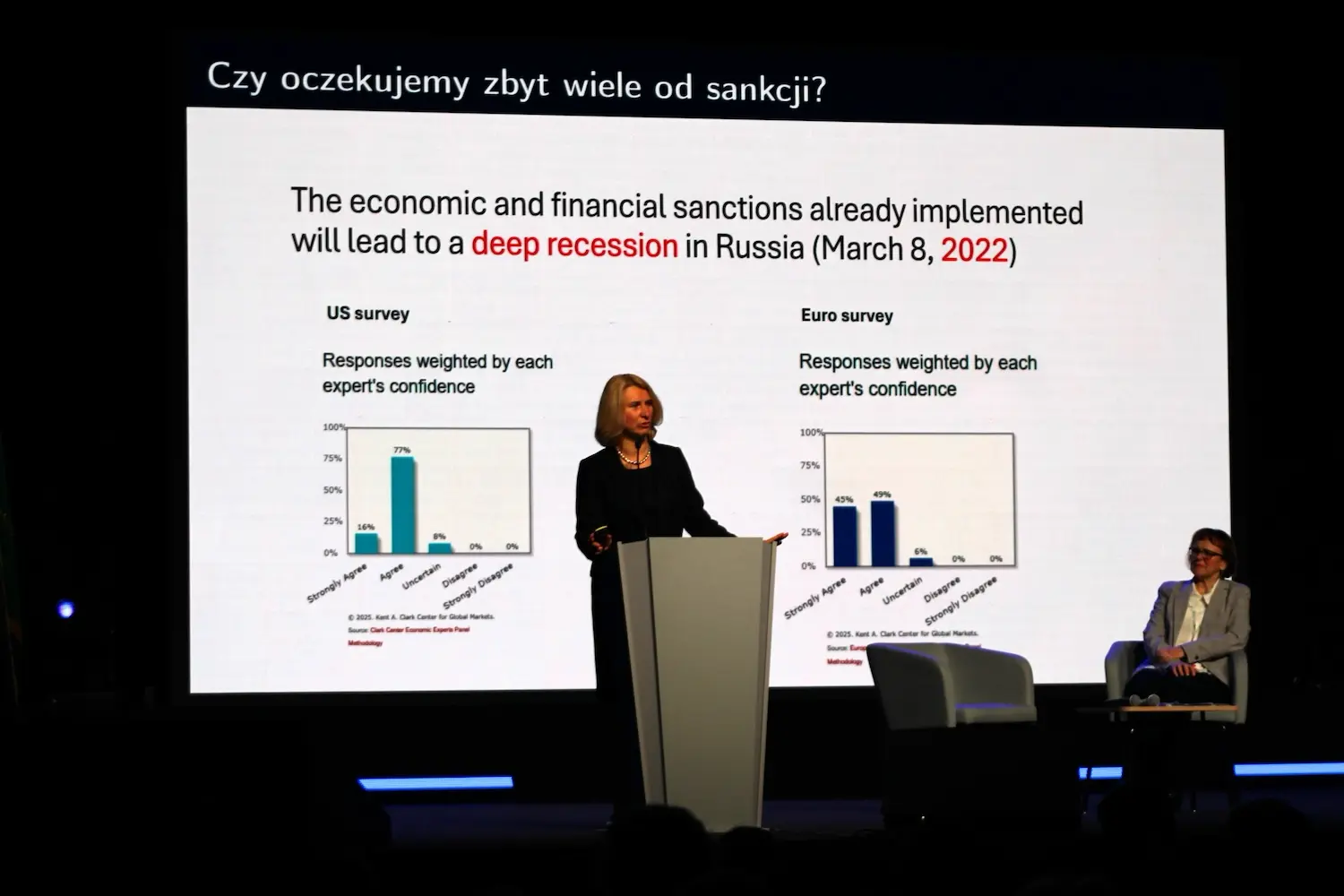
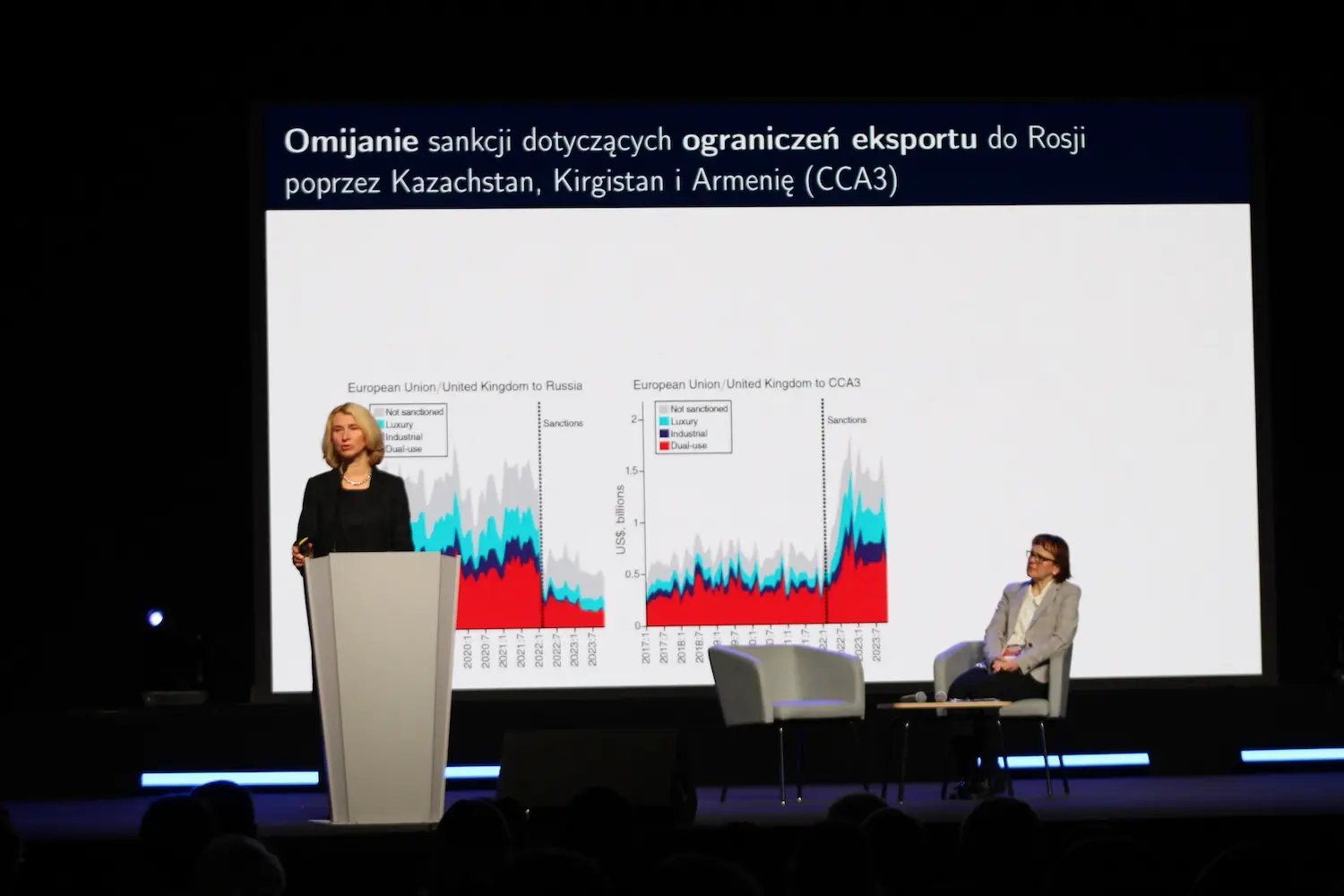
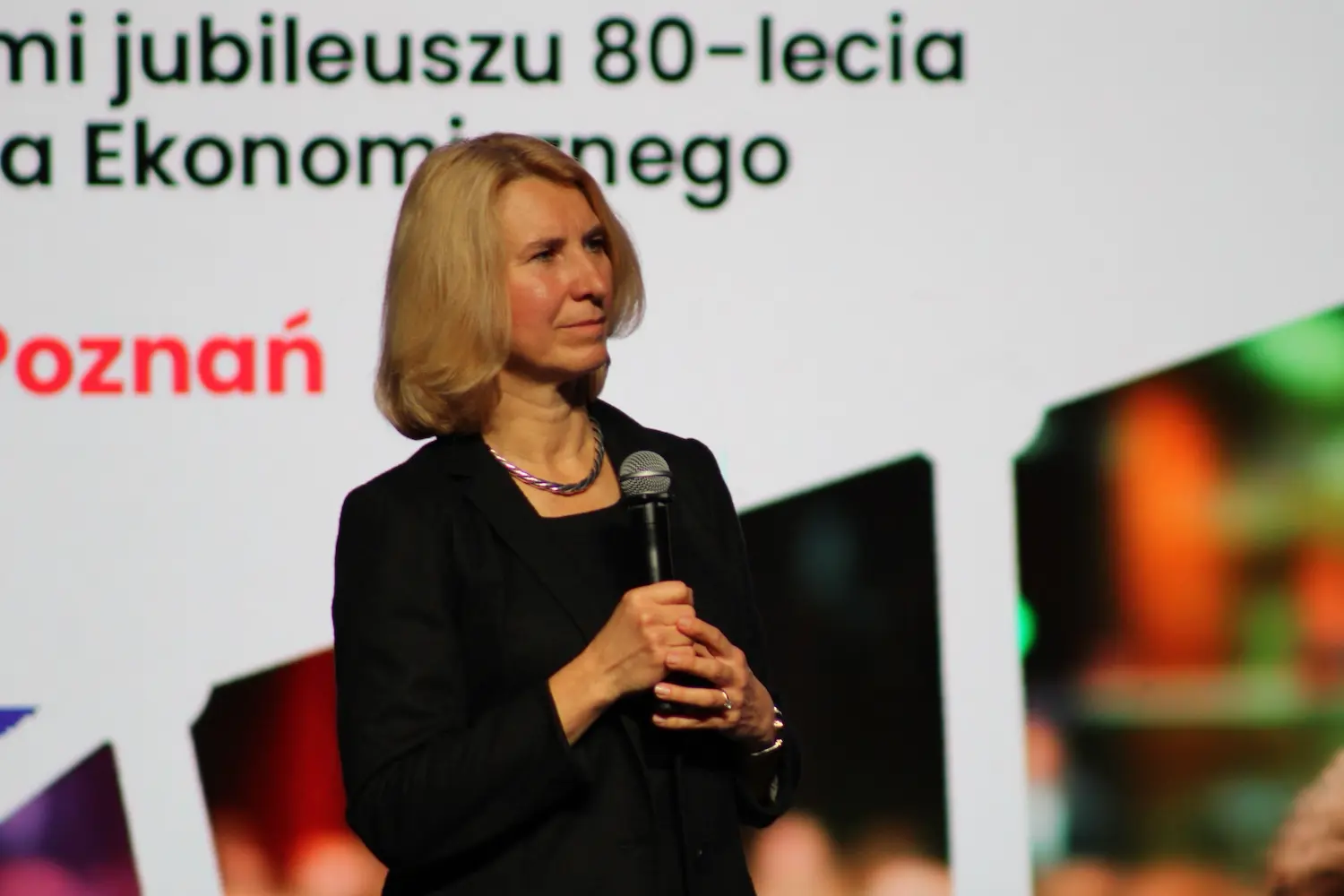
In her remarks, Professor Javorcik outlined a range of contemporary economic problems driving growing uncertainty. She focused on economic sanctions imposed after 2022 and their impact on Russia’s economy and on international trade. She directly challenged the overly optimistic forecasts of their effectiveness and pointed to possible reasons for this gap between expectations and outcomes.
“Economic sanctions are nothing new, but in recent years we have seen them used far more widely. Despite this, we still understand their effectiveness and consequences poorly. Three weeks after the war in Ukraine began, 90 percent of economists at the University of Chicago answered ‘yes’ when asked whether sanctions would lead to a deep recession in Russia. Half a year later, we know that did not happen. So why did our profession perform so poorly in assessing the effects of sanctions?”
She emphasized that sanctions produce non-obvious side effects, shaping not only the economies of targeted countries but also firms’ decisions, trade flows, and global currency systems. She highlighted the importance of reputational risk and private sanctions imposed by companies themselves, as well as the role of public opinion in shaping real economic outcomes.
Professor Javorcik’s lecture showed how complex and slow-moving the effects of sanctions can be, and how much careful analysis they require—not only in economic terms, but also political and social ones.
“Sanctions do work and can be effective, but in an indirect way and over time. They affect not only states, but also firms, business strategies, and the global monetary system.”
In times of uncertainty, it pays to listen to experts. Both Professor Rodrik and Professor Javorcik presented ideas and conclusions that resist easy summary. Full recordings of both lectures are available on YouTube and are well worth watching to grasp the context, nuances, and depth of their analyses.
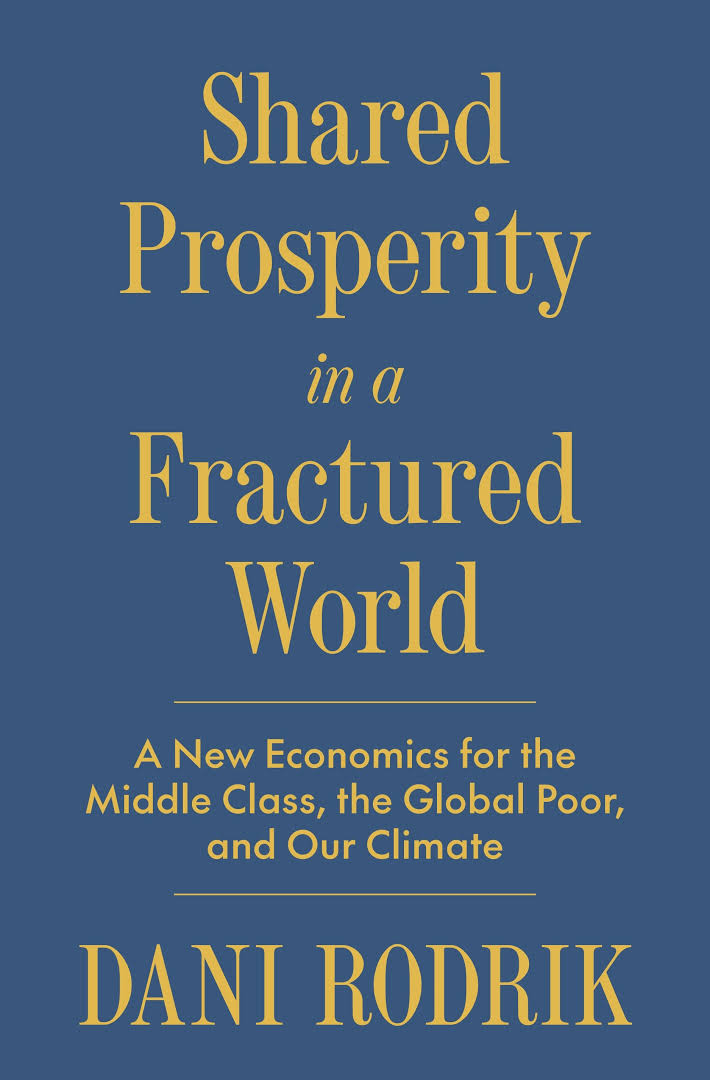
Readers may also want to turn to Shared Prosperity in a Fractured World (2025). In this book, Professor Dani Rodrik sets out a new vision of the economy that brings together climate action, inclusive growth, and democratic renewal, offering pragmatic solutions to support both development and social justice.